

Level 1: The “Cinder Cone” (Easy)
These are typically dormant or extinct volcanoes with well-established, stabilized trails.
- Terrain: Packed dirt, grassy slopes, or ancient, weathered lava that has turned to soil.
- Elevation: 100m – 300m gain.
- Hazards: None beyond standard hiking risks.
- Example: Arthur’s Seat (Scotland) or Diamond Head (Hawaii).
- Requirement: Basic fitness; standard walking shoes are sufficient.
Level 2: The “Lava Flow” (Moderate)
This level introduces the first true volcanic challenge: uneven ground. You are no longer walking on a trail; you are walking on the rock itself.
- Terrain: Pāhoehoe (smooth, ropey lava) or stable basalt. The ground is hard but uneven, requiring constant focus on foot placement.
- Elevation: 300m – 600m gain.
- Hazards: Sharp rocks and heat radiation if the flow is recent (but cooled).
- Example: Rangitoto Island (New Zealand) or parts of the Kīlauea network (Hawaii).
- Requirement: Sturdy hiking boots with thick soles to protect against jagged edges.
Level 3: The “Scree Scramble” (Challenging)
This is the classic “two steps forward, one step back” experience. Level 3 hikes usually involve ascending the primary cone of a stratovolcano.
- Terrain: Loose ash and ‘A‘ā (ah-ah) lava (clinkery, sharp fragments). The incline is often 30° or steeper.
- Elevation: 600m – 1,200m gain.
- Hazards: High winds, rapid weather shifts, and extreme physical exertion due to the sliding terrain.
- Example: Mount Batur (Bali) or Mount Etna (Italy) lower craters.
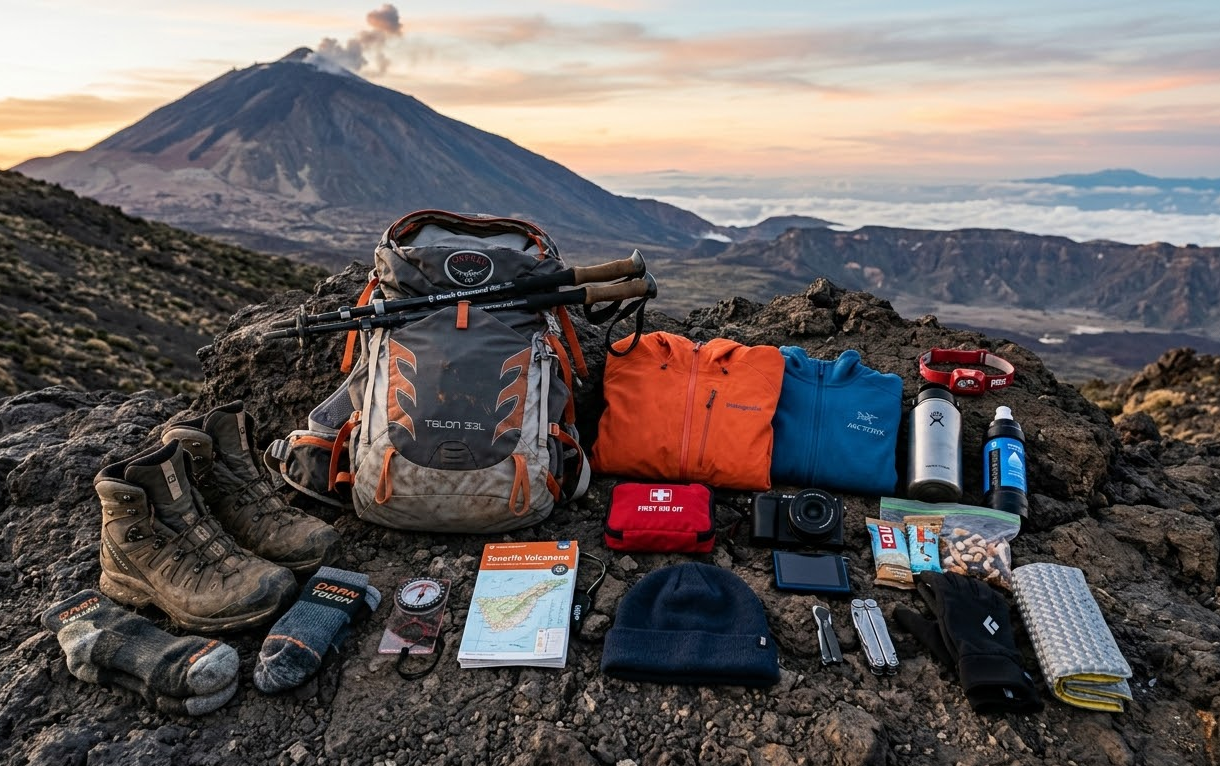
- Requirement: Trekking poles are mandatory. High-ankle boots and gaiters are strongly recommended to keep ash out of your shoes.
Level 4: The “Active Vent” (Technical / Strenuous)
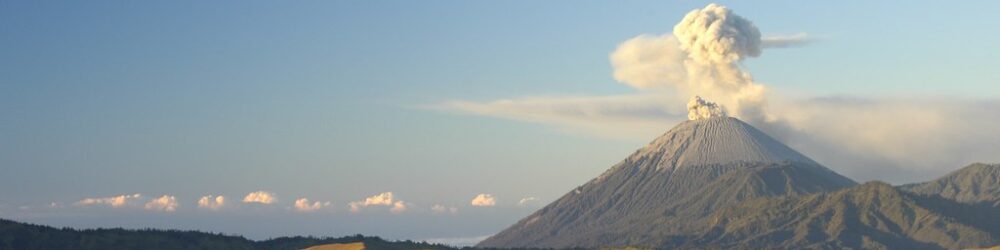
Level 4 combines high physical demand with environmental hazards. These hikes take you to the rim of active or semi-active craters.
- Terrain: Steep, unstable ridges (knife-edges) and deep ash banks.
- Elevation: 1,200m+ gain.
- Hazards: Volcanic gases (SO2), altitude sickness, and potential for micro-tremors.
- Example: Acatenango (Guatemala) or Mount Rinjani (Indonesia).
- Requirement: High level of cardiovascular fitness. Use of a buff or respirator may be necessary depending on gas emissions.
Level 5: The “Geological Frontier” (Expert Only)
These are expeditions, not just hikes. They involve unpredictable volcanic activity and require specialized gear.
- Terrain: Active lava fields, glacier-covered volcanic peaks, or remote wilderness with no marked trails.
- Hazards: Toxic gas concentrations, extreme heat, crevasses (if glaciated), and sudden eruptions.
- Example: Ol Doinyo Lengai (Tanzania) or Villarrica (Chile) during high activity.
- Requirement: Professional guides, gas masks with acid-gas filters, and often crampons or ice axes.
Comparison Table: Choosing Your Hike
| Level | Name | Best For… | Essential Gear |
| 1 | Cinder Cone | Families & Casual Walkers | Sneakers / Light Boots |
| 2 | Lava Flow | Photographers & Geology Fans | Thick-soled Boots |
| 3 | Scree Scramble | Fitness Enthusiasts | Poles & Gaiters |
| 4 | Active Vent | Adventurers & Peak Baggers | Respirator & Wind Shell |
| 5 | Frontier | Experienced Mountaineers | Full Safety Kit & Guide |
Important: The “Variable X” (Volcanic Status)
Unlike standard mountains, a volcano’s difficulty can change overnight. A Level 2 hike can become a Level 5 “No-Go Zone” if seismic activity increases.
Always cross-reference the Difficulty Scale with the latest alert on the Volcano.