
Trekking Mount Zao: A Complete Guide to Japan’s Active Complex Volcano and Its Emerald Crater
Mount Zao, straddling Yamagata and Miyagi prefectures in Japan’s Tohoku region, offers an unforgettable volcano trekking experience. This active complex volcano features the stunning Okama crater lake, famous winter 'Juhyo' ice monsters, and rejuvenating hot springs. Explore detailed routes, seasonal highlights, and essential safety tips for hiking this geological marvel.
Quick Volcano Snapshot
| Volcano type | Complex volcano |
|---|---|
| Elevation | 1,841 meters |
| Location | Yamagata and Miyagi prefectures, Tohoku region, Japan |
| Activity status | Active |
| Trekking difficulty | Moderate |
| Typical trek duration | 4–6 hours round trip |
| Altitude gain | Approximately 500 meters from trailhead |
| Terrain type | Volcanic ash slopes, lava rock, scree, alpine ridges |
| Best season | Late April to October for hiking; December to February for snowshoe trekking |
| Temperature range | 5°C to 20°C in hiking season; below freezing in winter |
| Permit requirement | No special permits required; park fees and ropeway tickets apply |
The Experience of Hiking Mount Zao
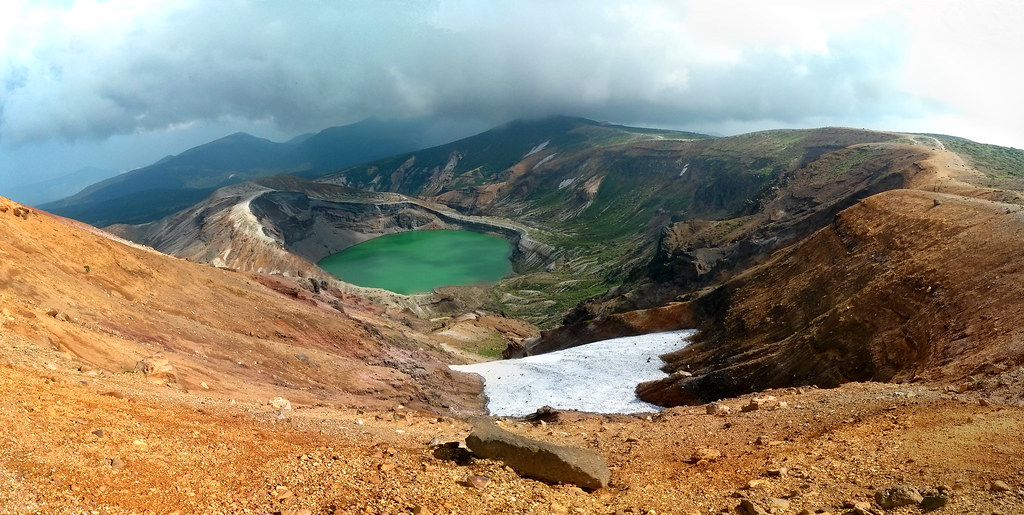
Mount Zao offers a striking volcanic landscape where barren lava fields meet lush alpine forests. The hike ascends through diverse terrain, culminating at the Okama crater lake, a vivid emerald jewel nestled within the caldera. Visitors experience the raw power of the volcano through steaming fumaroles and sulfur scents. The emotional impact of standing on the crater rim, surrounded by panoramic views and volcanic activity, creates a memorable connection with nature’s forces.
Mount Zao: Geological Background
Mount Zao is a complex volcano formed by overlapping stratovolcanoes built over hundreds of thousands of years. Its layered structure results from repeated eruptions producing lava flows and ash deposits. The Okama crater lake occupies a caldera formed by a major eruption, with its distinctive green color caused by mineral-rich waters. Active fumaroles and sulfur deposits remain visible, indicating ongoing volcanic activity beneath the surface.
Terrain and Hiking Experience on Mount Zao
The trek covers varied volcanic terrain including steep ash slopes, rugged lava rock sections, and exposed alpine ridges. Trails often traverse loose pumice and scree, requiring careful footing. Climbers experience mild altitude effects, but summit winds can be strong and cold. Temperature varies significantly from forested lower slopes to the barren crater rim, making layered clothing essential. The volcanic environment adds an exciting challenge and unique atmosphere to the hike.
What Makes Mount Zao Trek Unique
Mount Zao’s trek is distinguished by its dramatic seasonal changes and natural wonders. In winter, the mountain is famous for 'Juhyo' or snow monsters—trees coated in thick ice and snow sculpted by freezing winds. The active Okama crater lake’s emerald waters are visible year-round from multiple viewpoints. Nearby hot springs offer relaxing baths after hiking. The combination of volcanic activity, alpine flora, and cultural significance creates a truly exceptional trekking experience.
Summit and Crater Experience
At the 1,841-meter summit, hikers enjoy sweeping views of the Tohoku region. The Okama crater lake lies just below, its bright green waters contrasting with dark volcanic rock. Steam rises from fumaroles around the crater, and the sulfurous aroma fills the air. The crater rim provides a thrilling vantage point to observe mineral deposits and volcanic gases, offering a vivid reminder of the volcano’s dynamic nature.
Best Time to Trek Mount Zao
The optimal hiking season is from late April to October when trails are clear and temperatures are mild. Late spring features impressive snow walls along the Zao Echo Line. Autumn brings vibrant foliage colors enhancing the scenery. Winter, from December to February, is ideal for snowshoe trekking among the famous Juhyo ice monsters, though access roads may close and specialized gear is necessary. Always check current volcanic activity and weather conditions before planning your trek.
Trekking Routes and Trail Options
The most frequented route begins at Katta-toge parking lot, accessible by bus or car, with a well-marked trail leading to Mount Kumano summit and the Okama crater. The Zao Ropeway from Zao Onsen offers a shortcut, elevating hikers to 1,667 meters and reducing ascent time. The full hike typically lasts 4 to 6 hours round trip. Alternative trails connect to Zao Onsen and Togatta Onsen hot springs, enabling multi-day itineraries. Guided tours are available, especially during winter months.
Difficulty Assessment
Mount Zao is rated a moderate trek. The volcanic terrain demands good balance on loose ash and rocky surfaces but does not require technical climbing skills. The altitude is moderate, minimizing risks of severe altitude sickness. Hikers should have a reasonable fitness level to sustain steady uphill walking for several hours. Winter snowshoeing increases difficulty due to cold temperatures, deep snow, and navigation challenges, requiring proper experience and equipment.
Essential Volcano Trekking Gear
Recommended gear includes sturdy hiking boots with excellent grip and trekking poles for stability on loose volcanic terrain. Gaiters help protect against volcanic ash. A windproof and waterproof jacket is essential for summit winds and sudden weather changes. In winter, snowshoes and crampons are necessary. Carry a headlamp for early starts or late finishes. Sun protection is important due to high UV exposure and limited shade. A gas mask or respirator is advisable if fumarole gas levels increase.
Safety and Volcanic Hazards
Mount Zao is an active volcano with fumaroles emitting sulfur gases that can irritate eyes and lungs. Hikers must stay on marked trails to avoid unstable crater edges and loose scree. Sudden weather changes and strong summit winds pose additional risks. Monitor volcanic activity updates from the Japan Meteorological Agency and follow all warnings. Wearing a helmet is recommended near rocky sections. In winter, avalanche risk and deep snow require caution and local guidance.
Permits, Guides, and Logistics
No special permits are required to hike Mount Zao, though park entry fees and ropeway tickets apply. Guided trekking and snowshoe tours are recommended for winter and first-time visitors to enhance safety and experience. Seasonal closures may restrict access during periods of high volcanic activity or heavy snow. Local guides provide valuable safety information and cultural insights. Transportation options to trailheads are limited outside peak seasons, so careful planning is advised.
Where to Stay Near Mount Zao
Zao Onsen village is the main base for Mount Zao treks, offering traditional ryokan inns, hot spring baths, and guesthouses. Togatta Onsen provides quieter accommodation with easy trail access. During winter, ski resorts operate lodges and hotels. Staying near the ropeway station allows early summit starts. It is recommended to book accommodations well in advance during peak hiking and ski seasons to ensure availability.