
Mount Tarumae Volcano Trekking Guide: Hiking Japan’s Active Stratovolcano with Lava Dome Views
Explore Mount Tarumae, one of Japan’s most active stratovolcanoes, through a thrilling moderate trek. Discover its unique lava dome, steaming fumaroles, and panoramic vistas over Lake Shikotsu. This guide covers geology, terrain, routes, safety, gear, and best seasons for an unforgettable volcanic adventure in Hokkaido.
Quick Volcano Snapshot
| Volcano type | Stratovolcano with lava dome |
|---|---|
| Elevation | 1,041 meters |
| Location | Hokkaido, Japan |
| Activity status | Active |
| Trekking difficulty | Moderate |
| Typical trek duration | 3 to 5 hours |
| Altitude gain | Approximately 330 meters |
| Terrain type | Volcanic ash, lava rocks, scree |
| Best season | June to October |
| Temperature range | 5°C to 20°C during trekking season |
| Permit requirement | No permit required; park entry fees may apply |
The Experience of Hiking Mount Tarumae
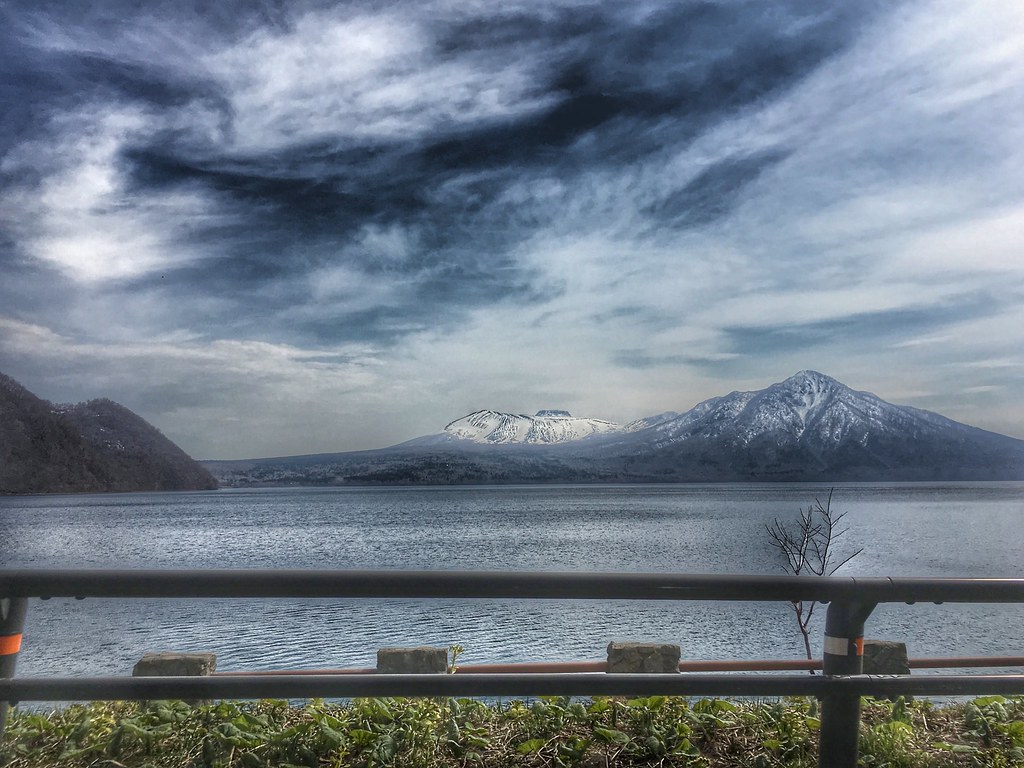
Approaching Mount Tarumae, hikers witness a dramatic transition from dense green forests to a stark volcanic landscape. The slopes are covered with black lava rocks and volcanic ash, creating a raw and powerful atmosphere. As you ascend, the scent of sulfur intensifies and the sound of steaming fumaroles becomes audible. Reaching the crater rim reveals sweeping panoramic views of Lake Shikotsu’s deep blue waters and, on clear days, the distant Pacific Ocean. This trek offers a unique connection to the dynamic forces shaping the earth.
Mount Tarumae: Geological Background
Mount Tarumae is an active stratovolcano situated within the Shikotsu caldera, formed approximately 9,000 years ago. Its most distinctive feature is the lava dome, formed during the 1909 eruption, which continues to emit steam and sulfurous gases. The volcano’s crater is a large depression created by past eruptions and collapses. The surrounding terrain is rich in volcanic minerals, with fumaroles and sulfur deposits marking ongoing geological activity. This makes Mount Tarumae a living example of volcanic processes in action.
Terrain and Hiking Experience on Mount Tarumae
The hike begins at the 7th Station parking area, where the trail quickly ascends above the treeline onto loose volcanic ash and gravel. Trekkers navigate sharp black lava rocks and barren scree slopes that require careful footing. Winds grow stronger near the summit, and temperatures can drop suddenly. The path includes steep sections with reinforced stairs and exposed ridges where volcanic gases may be present. The rugged, open terrain and lack of shade create a challenging but rewarding hiking experience.
What Makes the Mount Tarumae Trek Unique
Mount Tarumae’s active lava dome is a rare and captivating feature among volcano treks. The dome continuously steams and shifts within the crater, offering close-up views of fumaroles and sulfur vents. The stark volcanic desert contrasts dramatically with the vibrant blue of Lake Shikotsu and the distant Pacific Ocean. The combination of accessible summit access, active volcanic phenomena, and striking natural scenery makes this trek uniquely thrilling and educational.
Summit and Crater Experience
At the summit, hikers stand on the crater rim overlooking the steaming lava dome. The air is thick with the sharp scent of sulfur, and subtle vibrations from volcanic activity can be felt beneath the feet. Steam vents hiss continuously, releasing gases that create a sensory display of sound and heat. The expansive views extend across the Shikotsu caldera, encompassing the national park, Lake Shikotsu, and on clear days, the Pacific Ocean. This encounter offers a profound connection to the earth’s volatile forces.
Best Time to Trek Mount Tarumae
The best time to trek Mount Tarumae is from June through October when the weather is stable and trails are free of snow. Summer months provide mild temperatures and blooming alpine flora, while autumn offers colorful foliage and crisp air. Winter and early spring are not recommended due to snow, ice, and increased hazards. Volcanic activity is continuously monitored, so hikers should check for alerts or restrictions before planning their trip. Early morning starts are advisable for clearer views and calmer winds.
Trekking Routes and Trail Options
The main route begins at the 7th Station parking lot, ascending approximately 330 meters to the crater rim in about 60 minutes. From the rim, a 2 to 3-hour loop trail circumnavigates the crater, providing varied perspectives of the lava dome and surrounding landscapes. Alternative longer routes start at lower elevations, such as from Nishikioka, requiring 3 to 4 hours and passing through forested areas. Guided hikes are available and recommended for safety and geological interpretation.
Difficulty Assessment
Mount Tarumae is considered a moderate trek. The trail includes steep sections with loose volcanic ash and rocky terrain that demand surefootedness. The elevation of 1,041 meters is modest, so altitude sickness is rare. No technical climbing skills are necessary, but a good fitness level and experience with uneven volcanic terrain are beneficial. Weather conditions, especially strong winds near the summit, can increase the challenge.
Essential Volcano Trekking Gear
Recommended gear includes sturdy hiking boots with ankle support and good traction for loose volcanic rock. Trekking poles assist with balance on steep ash slopes. A windproof jacket is essential due to strong summit winds. Sun protection such as a hat and sunscreen is important because of minimal shade. A headlamp is useful for early starts. Gas masks or respirators are generally not required but may be considered by those sensitive to volcanic gases. Hydration systems and layered clothing complete the essential kit.
Safety and Volcanic Hazards
As an active volcano, Mount Tarumae poses hazards including toxic volcanic gases near fumaroles. Staying on marked trails is critical to avoid unstable crater edges and loose scree. Sudden weather changes and strong winds near the summit increase risks. Volcanic activity is monitored by authorities who provide real-time updates; hikers should check these before and during their trek. Carrying a communication device and hiking in groups enhances safety.
Permits, Guides, and Logistics
No permits are required to hike Mount Tarumae, though park entry fees may apply. Guided tours are recommended, especially for first-time visitors, as guides provide safety oversight and geological insights. Seasonal closures can occur during periods of heightened volcanic activity or adverse weather. Visitors should consult local visitor centers or official websites for current regulations and trail conditions before planning their trek.
Where to Stay Near Mount Tarumae
Accommodations near Lake Shikotsu offer convenient access to Mount Tarumae’s trailheads. Options include eco-lodges, guesthouses, and hot spring resorts featuring restorative onsen baths ideal after trekking. The Tarumae Hut near the 7th Station serves as a base for early starts. Nearby towns such as Noboribetsu and Tomakomai provide a wider range of lodging and transport connections. Staying close to the trailhead maximizes hiking time and comfort.