
Mount Tarawera Volcano Trekking Guide: Exploring New Zealand’s Active Volcanic Rift and Lava Caves
Discover the dramatic volcanic landscape of Mount Tarawera, New Zealand’s active complex volcano. This guide covers the 1886 eruption’s legacy, guided crater hikes, lava caves, geothermal features, trekking routes, safety tips, and seasonal considerations for an unforgettable volcano trekking adventure.
Quick Volcano Snapshot
| Volcano type | Complex volcano |
|---|---|
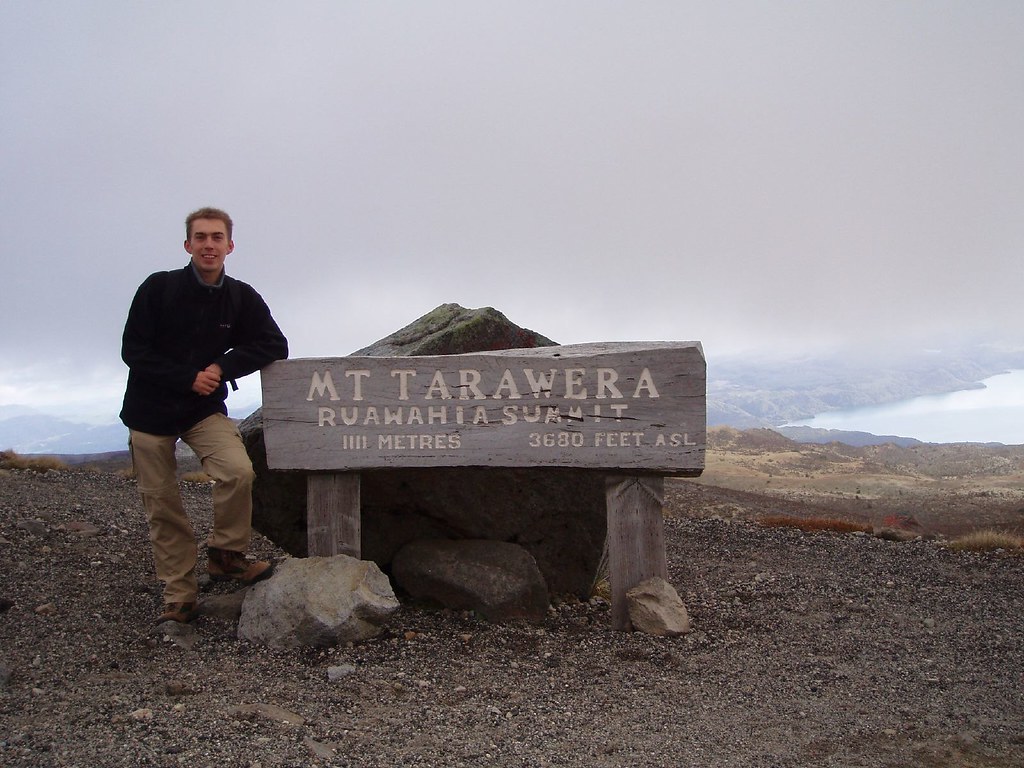
| Elevation | 1111 meters |
| Location | North Island, New Zealand |
| Activity status | Active |
| Trekking difficulty | Moderate |
| Typical trek duration | 2 to 3 hours |
| Altitude gain | Approximately 200 meters |
| Terrain type | Volcanic rift, lava fields, ash slopes, volcanic scree |
| Best season | Spring to autumn (September to April) |
| Temperature range | 5°C to 20°C |
| Permit requirement | Guided tours only, permits required |
The Experience of Hiking Mount Tarawera
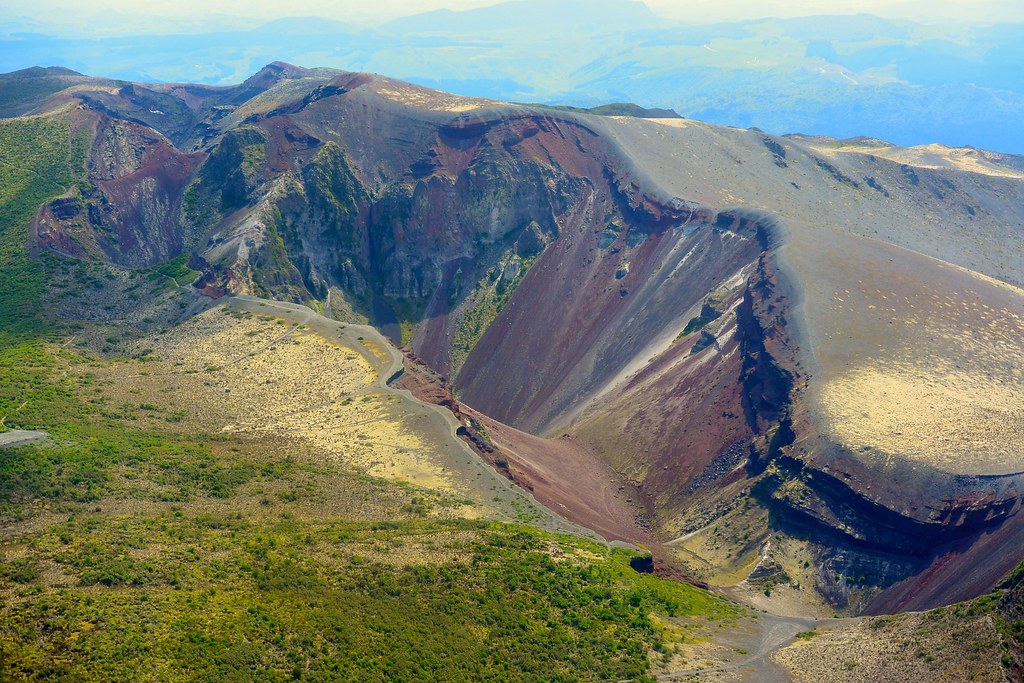
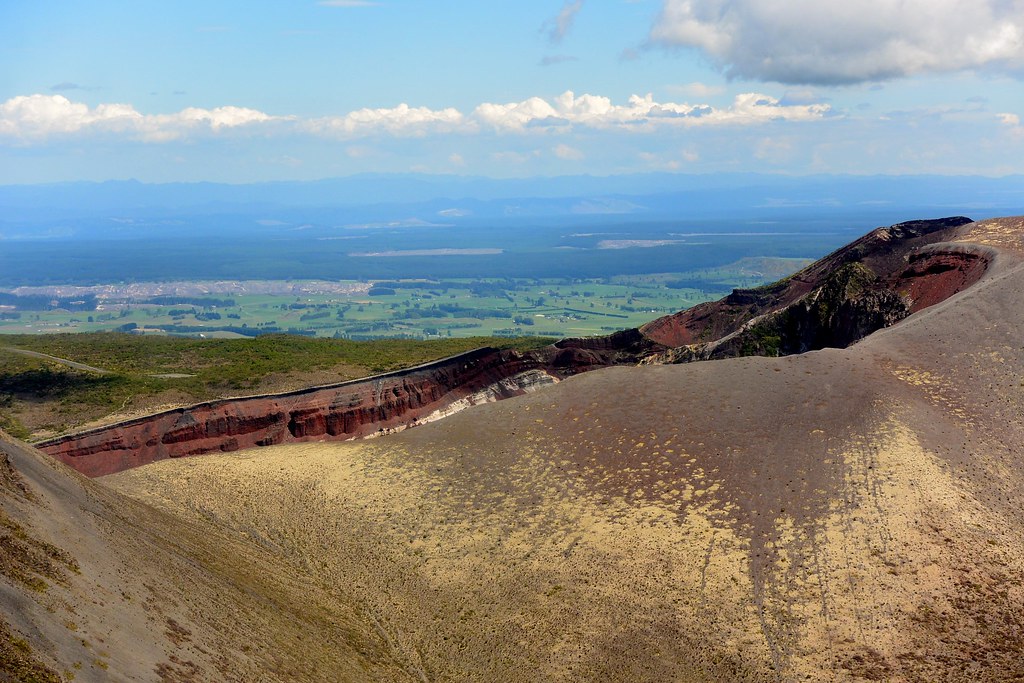
Approaching Mount Tarawera, the landscape unfolds as a raw volcanic scar etched deep into New Zealand’s North Island. The vast 17-kilometre rift from the 1886 eruption cuts a dramatic line across the summit ridge, exposing vivid red scoria slopes and jagged lava fields. The contrast between the barren volcanic terrain and the surrounding lush native bush creates a striking visual tension. As you ascend, the air carries the faint scent of sulfur and steam vents, a reminder of the mountain’s restless power. Reaching the crater rim, the panorama opens to sweeping views of the Rotorua Lakes and geothermal valleys, evoking a profound connection to the earth’s fiery forces and the sacred history held by the local Māori iwi.
Mount Tarawera: Geological Background
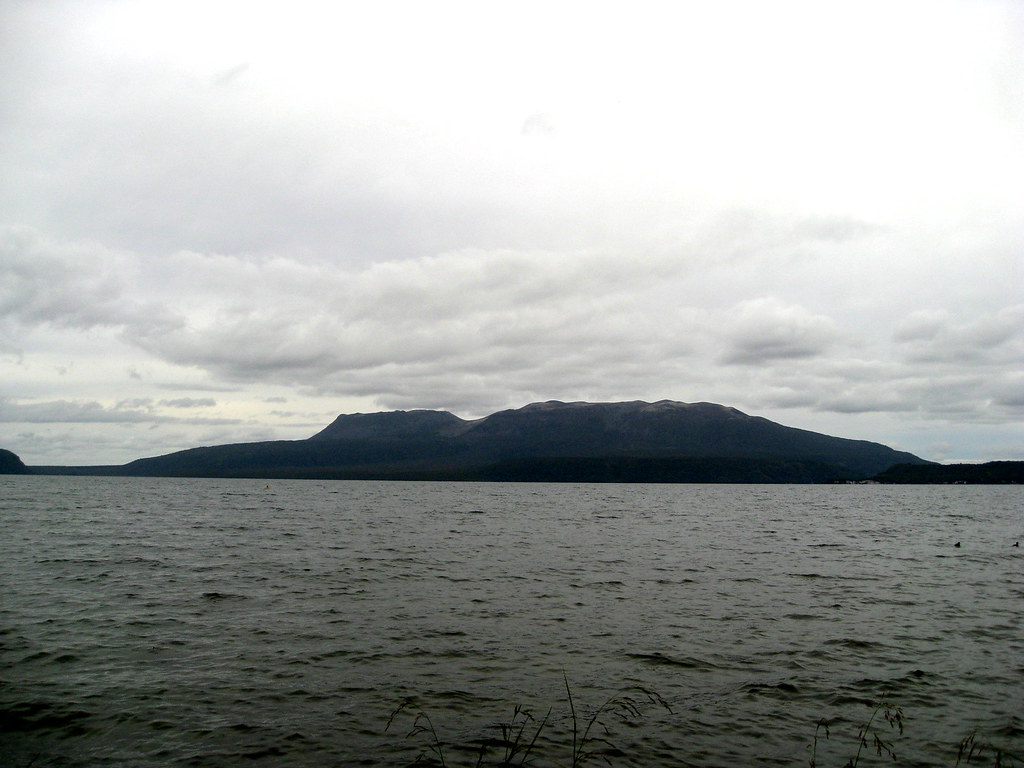
Mount Tarawera is a complex volcano formed by multiple eruptive events over thousands of years, characterized by a long volcanic ridge rather than a classic cone shape. The catastrophic 1886 eruption reshaped the mountain, fracturing it along a 17-kilometre fissure with multiple vents erupting simultaneously. This event produced vast ash clouds, lava flows, and created the Waimangu Volcanic Valley, the world’s youngest geothermal valley. The eruption obliterated the famous Pink and White Terraces, once considered a natural wonder. Today, fumaroles, steam vents, and sulfur deposits remain visible, alongside unique geological formations such as lava caves and scoria slopes, offering a vivid window into volcanic processes.
Terrain and Hiking Experience on Mount Tarawera
The hike across Mount Tarawera’s volcanic terrain is a blend of ash slopes, loose volcanic scree, and rugged lava rock. The trail includes moderate climbs with an elevation gain of around 200 meters, traversing the rift zone where the earth was violently split. Scrambling over jagged scoria and navigating loose pumice requires steady footing and attention. Winds near the summit can be brisk, and temperature shifts are common, demanding layered clothing. The terrain’s rawness and geological diversity make the hike both challenging and rewarding, with opportunities for scree running down volcanic slopes adding an exhilarating element to the descent.
What Makes the Mount Tarawera Trek Unique
Mount Tarawera’s trek is unique for its direct access to a volcanic rift created by one of New Zealand’s most violent eruptions. The presence of extensive lava caves and geothermal features within the crater area sets it apart from typical volcano hikes. The sacred significance of the mountain to the Ngāti Rangitihi iwi adds cultural depth to the experience. Additionally, the option to combine guided hikes with helicopter tours offers a rare aerial perspective of the volcanic landscape. The ability to run into the crater’s heart and witness steaming vents and vivid volcanic minerals makes this trek a singular adventure for volcano enthusiasts.
The Summit and Crater Experience
Standing on Mount Tarawera’s crater rim, hikers are enveloped by a vast, gaping volcanic rift stretching 17 kilometres. The air is tinged with the sharp scent of sulfur and the subtle warmth from fumaroles beneath the surface. The crater floor reveals jagged lava formations and steaming vents, alive with the mountain’s residual energy. Sounds of escaping gases punctuate the silence, while panoramic views extend over the Rotorua Lakes District and beyond. The dramatic red slopes and raw volcanic textures create a surreal atmosphere, making the summit a powerful sensory encounter with the earth’s volcanic forces.
Best Time to Trek Mount Tarawera
The ideal trekking season for Mount Tarawera spans from spring through autumn (September to April), when weather conditions are generally stable and temperatures range between 5°C and 20°C. Winter months bring colder temperatures and increased wind exposure, making the trek less comfortable. Avoid the wettest months to reduce risks from slippery volcanic scree and sudden weather changes. Guided tours monitor volcanic activity and weather closely, ensuring safe access. Afternoon tours are recommended for a more relaxed pace and better lighting for photography.
Trekking Routes and Trail Options
Access to Mount Tarawera is exclusively via guided tours operated by authorized companies such as Kaitiaki Adventures and Volcanic Air. The primary route begins with a 4WD transfer close to the summit, followed by a 3 to 4-kilometre guided hike around the crater rim and rift zone. Elevation gain is approximately 200 meters, with the hike lasting around 2 to 3 hours. Options include a half-day crater walk or a full-day experience combining hiking with helicopter flights. The trail is not open for independent trekking, preserving the sacredness and safety of the site.
Difficulty Assessment
Mount Tarawera’s trek is classified as a moderate volcano trek. The terrain involves uneven volcanic scree, ash slopes, and some scrambling over lava rocks, requiring good balance and moderate fitness. Altitude is low (around 1111 meters), so altitude sickness is not a concern. The hike is accessible to most hikers with some experience, but caution is advised on loose scree sections and during windy conditions. No technical climbing skills are necessary, but sturdy hiking boots and trekking poles are recommended.
Essential Volcano Trekking Gear
Key gear for Mount Tarawera includes sturdy hiking boots with good grip to handle loose volcanic scree and lava rock. Trekking poles aid stability on steep and uneven terrain. Layered clothing is essential to adapt to temperature shifts and wind exposure. A windproof jacket protects against sudden weather changes. Carry sufficient water and sun protection, including a hat and sunscreen, as shade is minimal. A headlamp is useful for early morning or late afternoon tours. While gas masks are not typically required, those sensitive to volcanic gases should consult guides. A small first aid kit and camera complete the essentials.
Safety and Volcanic Hazards
Mount Tarawera is an active volcano with inherent risks including volcanic gases, unstable crater edges, loose scree, and potential rockfall. Sudden weather changes can increase hazards. Access is restricted to guided tours who monitor volcanic activity and provide safety briefings. Visitors must follow all instructions and stay within designated paths. Emergency services and monitoring agencies maintain vigilance over the volcano’s status. Awareness of the mountain’s sacred status and respect for local iwi protocols is mandatory. Proper preparation and adherence to safety guidelines ensure a secure and rewarding experience.
Permits, Guides, and Logistics
Mount Tarawera is privately owned by the Ngāti Rangitihi iwi and access is strictly controlled. Independent trekking is prohibited. Visitors must book guided tours through authorized operators like Kaitiaki Adventures or Volcanic Air, which include permits and park fees. Tours provide transport from Rotorua, guiding, and safety equipment. Seasonal closures may apply based on volcanic activity or weather. Booking in advance is essential, especially during peak seasons. Guides offer cultural insights alongside geological interpretation, enriching the trekking experience.
Where to Stay Near Mount Tarawera
Rotorua serves as the main base for Mount Tarawera treks, offering a range of accommodations from eco-lodges and boutique hotels to budget hostels. Several local guesthouses and holiday parks provide convenient access to tour pick-up points. For a more immersive experience, glamping sites and campsites near Lake Tarawera offer proximity to trailheads and natural hot springs. Booking accommodation in Rotorua is recommended to coordinate with guided tour schedules and transport logistics.