
Mount Merapi Volcano Trekking Guide: Conquer Indonesia’s Most Active Stratovolcano
Mount Merapi, Indonesia’s most active stratovolcano, offers a demanding and thrilling trek through volcanic ash slopes, rugged lava fields, and steep rocky terrain. This guide covers geology, trekking routes, safety, and cultural significance for adventurers seeking an unforgettable volcano hiking experience in Central Java.
Quick Volcano Snapshot
| Volcano type | Stratovolcano |
|---|---|
| Elevation | 2,968 meters |
| Location | Central Java, Indonesia |
| Activity status | Active |
| Trekking difficulty | Demanding |
| Typical trek duration | 4–6 hours ascent, 3–4 hours descent |
| Altitude gain | Approximately 1,400 meters from Selo village |
| Terrain type | Volcanic ash slopes, lava fields, rocky scree, forested lower slopes |
| Best season | June to August (dry season) |
| Temperature range | 5°C to 25°C (colder near summit) |
| Permit requirement | Required (National Park entrance fee and permits) |
The Experience of Hiking Mount Merapi
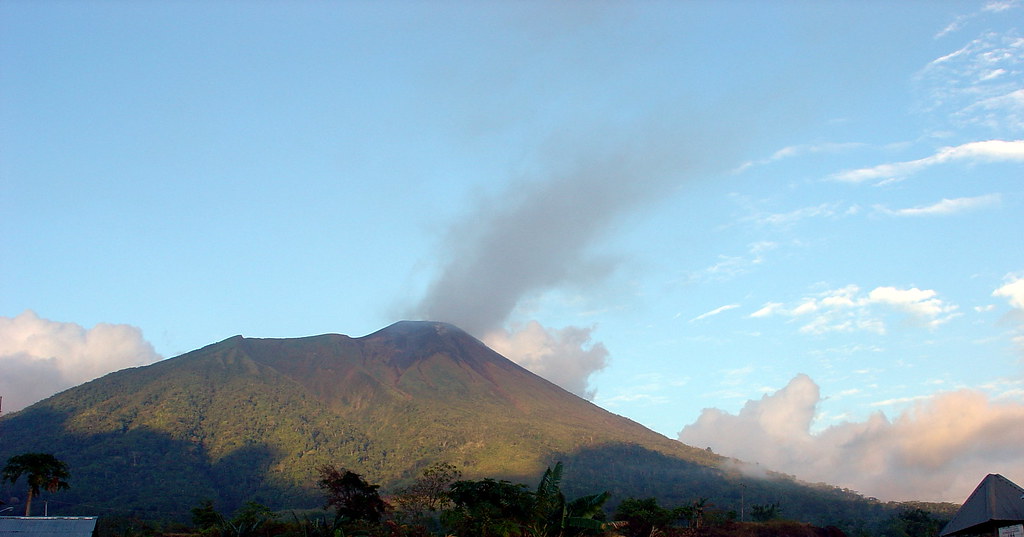
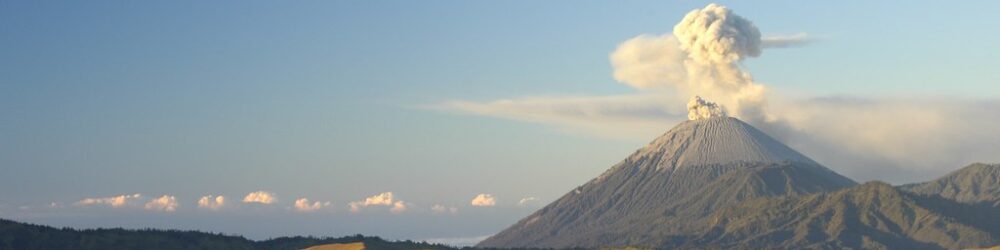
Approaching Mount Merapi, the landscape shifts dramatically from lush tropical forests to barren volcanic slopes scarred by recent eruptions. The air carries a faint sulfuric tang, hinting at the volcano’s restless power. As you ascend, the terrain grows steeper and more rugged, with loose ash and jagged lava rocks underfoot. Reaching the crater rim, the raw force of Earth’s fiery heart is palpable — steaming fumaroles hiss nearby, and panoramic views stretch over Central Java’s patchwork of villages and mountains. The climb is as much a journey through geological time as it is a physical challenge, leaving hikers with a profound sense of awe and respect.

Mount Merapi: Geological Background
Mount Merapi is a classic stratovolcano formed by layers of hardened lava, volcanic ash, and tephra from repeated eruptions. Its frequent activity is driven by the subduction of the Indo-Australian Plate beneath the Eurasian Plate. Notable eruptions, including the devastating 2010 event, have shaped its steep slopes and created the expansive Pasar Bubrah boulder field near the summit. The volcano’s crater hosts fumaroles emitting sulfur gases and steam, while fresh lava domes periodically reshape the summit area. Minerals like sulfur and volcanic glass are common, and the landscape features unique formations such as lava terraces and pyroclastic flow deposits.
Terrain and Hiking Experience on Mount Merapi
The trek begins in the village of Selo, winding through farmland and dense forest before emerging onto volcanic ash slopes. The path varies from paved roads to loose pumice and rocky scree, demanding careful footing. Near the summit, hikers encounter steep inclines and must scramble over unstable volcanic rocks. Wind intensifies with altitude, and temperatures drop sharply, requiring layered clothing. The terrain’s loose volcanic material makes ascent strenuous but descent faster, often involving controlled slides down ash-covered slopes. Altitude effects are moderate but noticeable, especially for those unaccustomed to high elevations.
What Makes Mount Merapi Trek Unique
Mount Merapi’s status as Indonesia’s most active volcano lends the trek an edge of unpredictability and raw power. The proximity to ongoing volcanic activity means hikers witness a landscape in constant flux, with fresh lava flows and steaming vents visible from safe distances. The cultural reverence locals hold for Merapi adds spiritual depth, with rituals and myths woven into the climbing experience. The dramatic Pasar Bubrah boulder field and the chance to see glowing lava during rare safe windows make this trek unlike any other in Southeast Asia.
Summit and Crater Experience
Reaching the summit of Mount Merapi is a sensory climax. The sulfurous smell intensifies near fumaroles, while the ground radiates heat beneath your boots. Steam vents hiss and crackle, punctuating the eerie silence. From the crater rim, panoramic views unfold — jagged volcanic cones, distant mountain ranges, and the sprawling Central Java plains. The sky often glows with the first light of dawn, casting shadows over the rugged terrain. The summit is a place of both beauty and danger, where the Earth’s molten core is visible yet untouchable.
Best Time to Trek Mount Merapi
The optimal trekking season is during the dry months from June to August, when trails are less slippery and volcanic gas emissions are lower. Early morning climbs starting around midnight are preferred to avoid increased sulfur fumes and heat later in the day. The rainy season, from November to March, brings slippery conditions and higher risks of lahars. Due to ongoing volcanic activity, summit access is often restricted; always check current alert levels and official advisories before planning your trek.
Trekking Routes and Trail Options
The primary and safest route is from Selo village on the northern slope, starting at New Selo basecamp. This trail covers approximately 9 kilometers round trip with about 1,400 meters of elevation gain. The southern Kaliurang route remains closed due to volcanic hazards. The Selo trail passes through farmland, forest, and volcanic ash fields, ending near Pasar Bubrah, about 300 meters below the summit. Guided hikes are recommended for safety and local knowledge. Alternative options include jeep lava tours exploring lower slopes and volcanic features.
Difficulty Assessment
Mount Merapi is classified as a demanding volcano trek. The steep slopes, loose volcanic ash, and rocky scrambling require good physical fitness and surefootedness. Altitude is moderate but can affect some hikers. The trail is non-technical but challenging due to unstable terrain and exposure near the summit. Beginners should consider guided hikes and proper acclimatization. This is not a beginner volcano trek but rather suited for experienced hikers comfortable with strenuous ascents and variable conditions.
Essential Volcano Trekking Gear
Key gear includes sturdy hiking boots with excellent grip for loose ash and rocks, trekking poles for stability, and volcanic ash gaiters to protect against fine dust. A windproof and warm jacket is essential for summit conditions. Headlamps are necessary for pre-dawn starts. Carry at least 2 liters of water, sun protection including hat and sunscreen, and a gas mask or respirator if sulfur fumes are strong. A first aid kit and layered clothing complete the essentials for safety and comfort.
Safety and Volcanic Hazards
Mount Merapi’s active status poses risks including sudden eruptions, toxic volcanic gases, unstable crater edges, and falling rocks. The alert level is monitored by the Geological Disaster Technology Research and Development Center (BPPTKG). Hiking is prohibited during Level II or higher alerts. Always follow official closures and guidance. Weather can change rapidly, increasing hazards. Unauthorized climbing is illegal and dangerous. Hiring local guides enhances safety through real-time hazard awareness and emergency preparedness.
Permits, Guides, and Logistics
A permit and National Park entrance fee are mandatory, obtained at the Selo basecamp. Due to ongoing volcanic activity, summit access is often closed; permits are only issued when conditions allow. Hiring a local guide is strongly recommended for safety, navigation, and cultural insight. Guides also provide emergency support. Transport to Selo is available from Yogyakarta by car or bus. Check current volcanic alert levels and park regulations before planning your trek.
Where to Stay Near Mount Merapi
Selo village serves as the main base for Mount Merapi treks, offering homestays and guesthouses with basic amenities. Accommodations are affordable and provide easy access to the trailhead. Nearby towns like Boyolali and Yogyakarta offer more extensive lodging options. Staying in Selo allows early starts and acclimatization. Some eco-lodges and trekking hostels cater specifically to volcano hikers, providing gear rental and guide services.