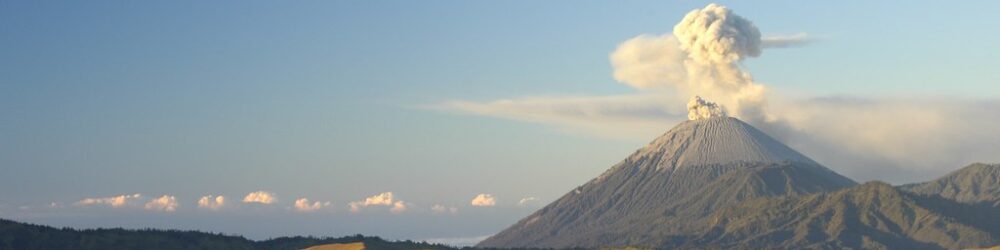

Climbing Mount Mayon: The Ultimate Guide to Trekking the Philippines’ Perfect Cone Volcano
Mount Mayon, the Philippines’ iconic active stratovolcano, offers a demanding yet rewarding trek with its perfectly symmetrical cone shape. This guide covers geological insights, trekking routes, safety protocols, best seasons, and local culture around Legazpi City, providing an expert adventure for volcano enthusiasts.
Quick Volcano Snapshot
| Volcano type | Stratovolcano |
|---|---|
| Elevation | 2,463 meters (8,081 feet) |
| Location | Albay Province, Luzon, Philippines |
| Activity status | Active |
| Trekking difficulty | Demanding |
| Typical trek duration | 6 to 10 hours round trip |
| Altitude gain | Approximately 1,500 meters |
| Terrain type | Steep ash slopes, lava rock, volcanic scree |
| Best season | November to May (dry season) |
| Temperature range | 10°C to 28°C (50°F to 82°F) |
| Permit requirement | Mandatory permit and guided trek |
The Experience of Hiking Mount Mayon
Approaching Mount Mayon, the landscape transforms from lush lowlands into stark volcanic slopes crowned by a near-perfect cone. The air vibrates with geological energy, a constant reminder of the volcano’s fiery heart beneath. Hiking Mayon is an immersive journey through raw volcanic wilderness, where barren lava fields sharply contrast with vibrant greenery below. Reaching the crater rim reveals the overwhelming scale and symmetry of the volcano, evoking awe and a profound connection to Earth’s primal forces.
Mount Mayon: Geological Background
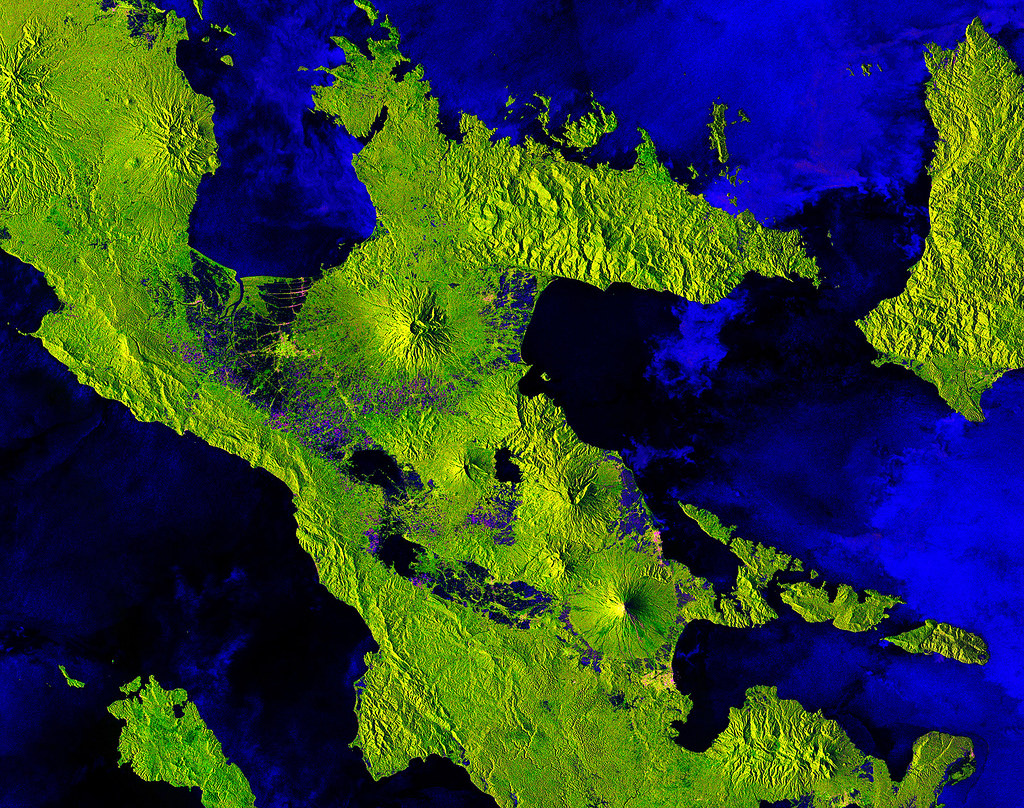
Mount Mayon is a classic stratovolcano formed by successive layers of lava flows, ash, and volcanic debris. Its perfect cone shape results from highly viscous andesitic lava that cools quickly, building steep slopes. The volcano has a long eruptive history with frequent explosive events and lava flows, documented since the 1600s. The summit crater features fumaroles emitting sulfurous gases, while the surrounding terrain is rich in volcanic minerals and deposits. Mayon is part of the Pacific Ring of Fire, shaped by tectonic subduction beneath the Philippine archipelago.
Terrain and Hiking Experience on Mount Mayon
The trek up Mayon challenges hikers with steep ash slopes that can be slippery and loose, requiring careful footing. Sections of lava rock scrambling demand agility, while loose pumice and volcanic scree make the descent a controlled slide. Ridge walking near the summit exposes hikers to strong winds and rapid temperature changes. Altitude effects are moderate but noticeable, especially near the crater rim. The volcanic terrain is unforgiving yet spectacular, offering a raw and dynamic hiking experience.
What Makes Mount Mayon Trek Unique
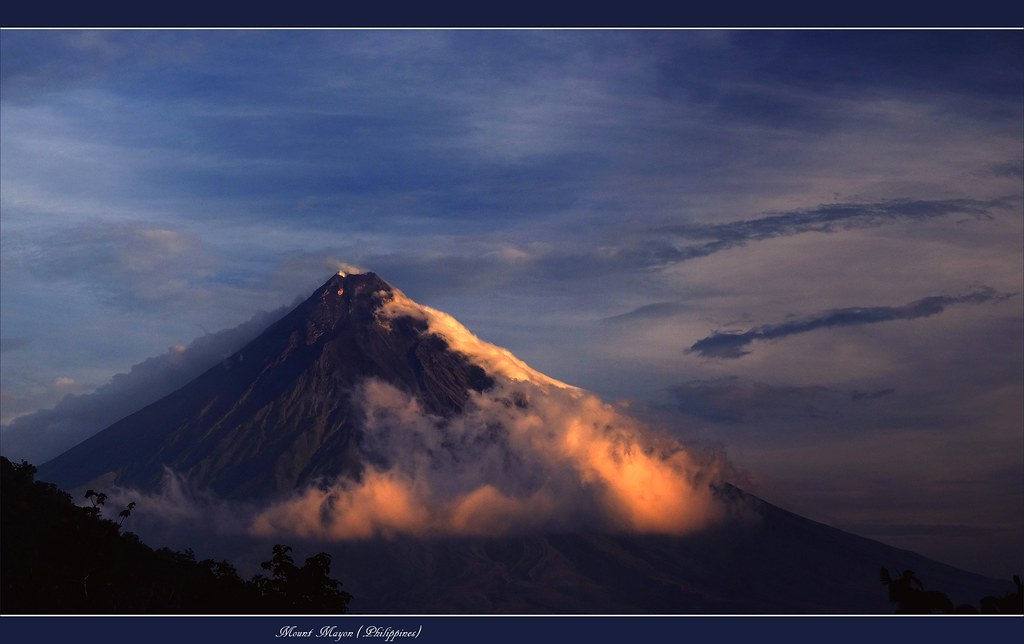
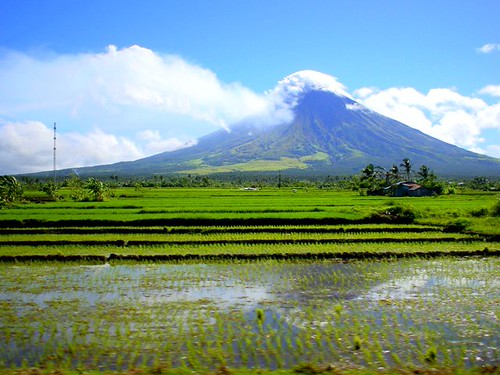
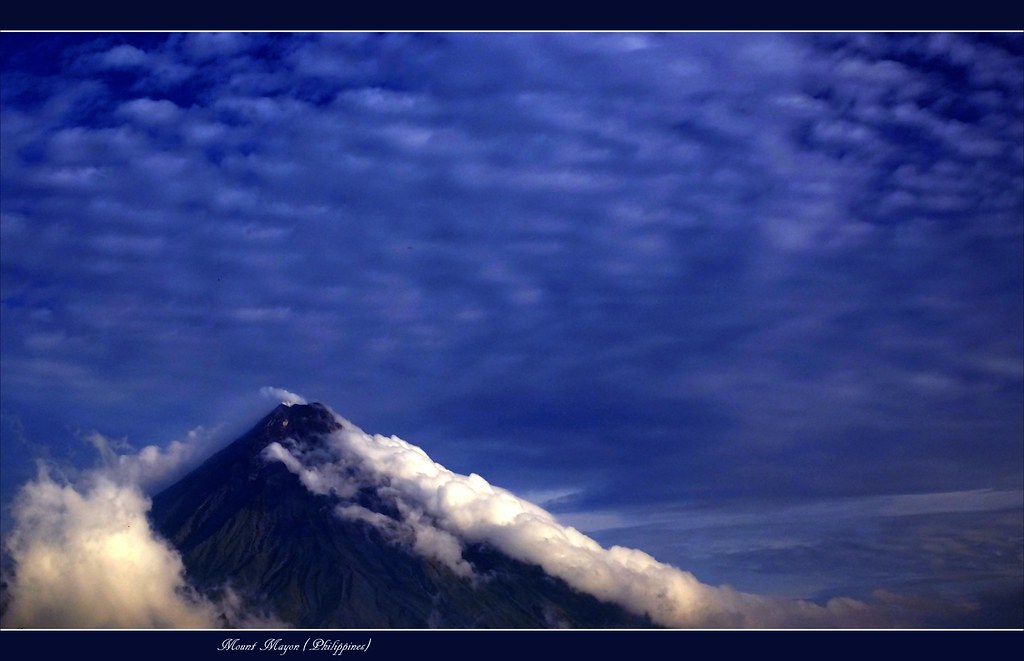
Mount Mayon’s defining feature is its flawless symmetrical cone, often compared to Japan’s Mount Fuji. This rare geological perfection creates stunning photographic opportunities from every angle. The volcano’s active status adds unpredictability and excitement, with fumaroles and sulfur vents near the summit. The surrounding Bicol region’s vibrant culture and hospitality enrich the trek, blending natural wonder with local tradition. Sunrise climbs above the clouds reveal breathtaking vistas unmatched in the Philippines.
Summit and Crater Experience
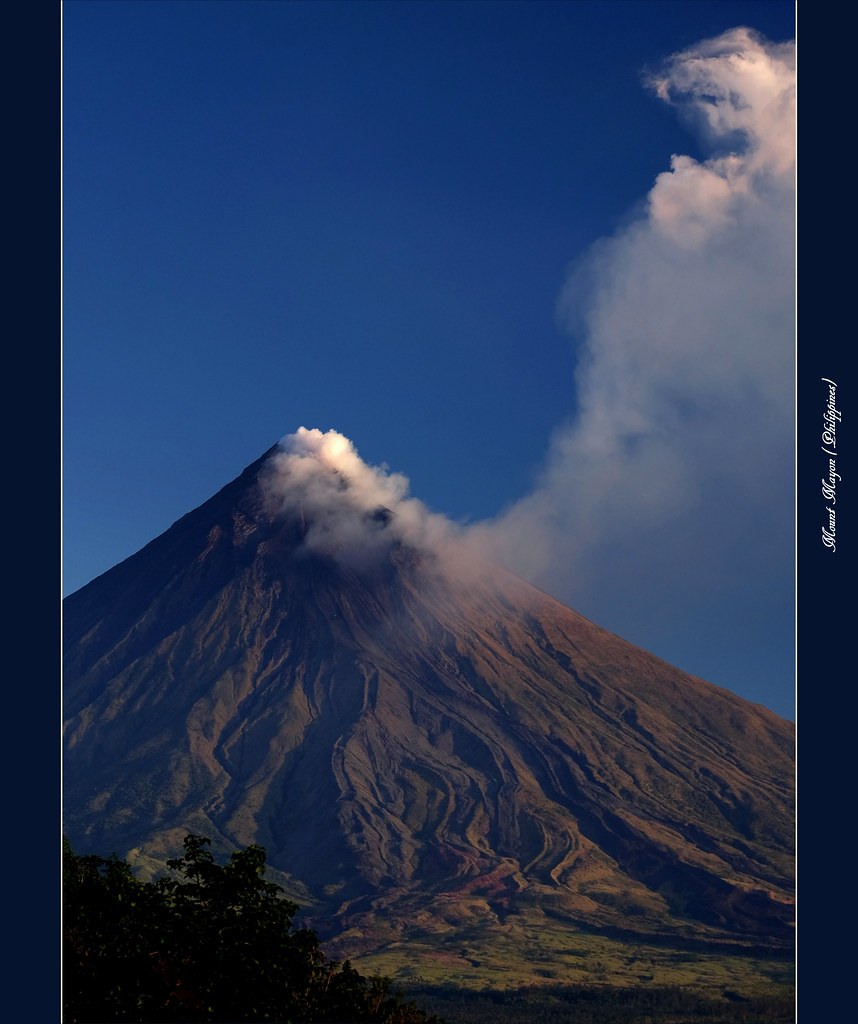
Reaching Mayon’s summit crater is a sensory climax. Panoramic views stretch over lush valleys, coastal plains, and distant islands. The air carries the sharp scent of sulfur from active fumaroles, and the ground radiates residual heat. The crater rim is rugged and exposed, with the constant hiss of escaping volcanic gases underscoring the volcano’s living nature. This moment connects hikers intimately with Earth’s molten core, offering a humbling and exhilarating experience.
Best Time to Trek Mount Mayon
The ideal trekking season is during the dry months from November to May, when trails are more stable and weather conditions are favorable. Avoid the wet season from June to October due to heavy rains, slippery slopes, and increased volcanic gas hazards. Early morning or pre-dawn climbs are recommended to avoid afternoon heat and to witness spectacular sunrises. Always check volcanic activity updates from PHIVOLCS before planning your trek.
Trekking Routes and Trail Options
The primary route starts from the Cagsawa Ruins Park near Legazpi City, ascending approximately 8 kilometers to the summit. This trail gains about 1,500 meters in elevation and typically takes 6 to 10 hours round trip. Guided treks are mandatory due to volcanic activity and safety regulations. Alternative shorter routes exist but do not reach the summit crater. Jeepneys and buses connect Legazpi City to the trailhead, making access straightforward for independent trekkers.
Difficulty Assessment
Mount Mayon is classified as a demanding volcano ascent. The steep, unstable ash slopes and loose volcanic scree require good physical fitness and sure-footedness. Altitude is moderate but combined with challenging terrain, it tests endurance. No technical climbing gear is needed, but experience with volcanic hiking is beneficial. This trek is unsuitable for beginners or those with limited hiking experience.
Essential Volcano Trekking Gear
Key gear includes sturdy hiking boots with excellent grip, trekking poles for stability on loose slopes, and volcanic ash gaiters to protect against fine particles. A windproof jacket is essential for summit exposure, along with layered clothing for temperature shifts. A headlamp is necessary for early starts or night climbs. Carry a gas mask or respirator if sulfur gas levels rise. Hydration systems and sun protection such as a hat, sunscreen, and sunglasses are critical due to limited shade.
Safety and Volcanic Hazards
Mount Mayon’s active status demands strict adherence to safety protocols. Volcanic gases like sulfur dioxide can cause respiratory irritation; monitoring by PHIVOLCS ensures timely warnings. Crater edges are unstable and prone to collapse. Loose scree and falling rocks pose risks, especially on steep slopes. Sudden weather changes can reduce visibility and increase hazards. Always trek with authorized guides, follow official advisories, and carry emergency communication devices.
Permits, Guides, and Logistics
A permit from the Albay Tourism Office is mandatory for all climbers. Guided treks are required to ensure safety and compliance with volcanic activity restrictions. Park entry fees apply and support conservation efforts. Booking through local tour operators in Legazpi City is recommended for logistics, transport, and guide services. Seasonal closures may occur during heightened volcanic activity or adverse weather.
Where to Stay Near Mount Mayon
Legazpi City offers a range of accommodations from budget hostels to mid-range hotels and eco-resorts. Sto. Domingo’s Mirisbiris Garden Resort, owned by a former USGS volcanologist, provides a tranquil base with lush gardens. Many trekkers camp near the trailhead or stay in local guesthouses offering easy access to the volcano. Early morning transport options to the trailhead are readily available from these bases.