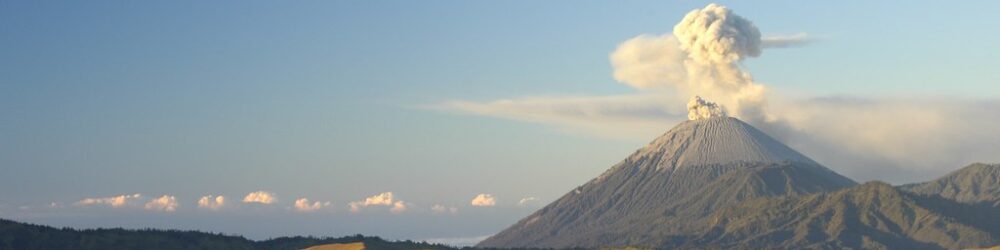

Trekking Mount Kirishima (Shinmoedake): A Complete Guide to Japan’s Active Volcanic Heart
Mount Kirishima, centered on the active Shinmoedake volcano, offers a thrilling moderate trek through complex volcanic terrain in Kyushu, Japan. This guide covers geology, routes, safety, and cultural significance for adventurers seeking dynamic volcanic landscapes and crater views.
Quick Volcano Snapshot
| Volcano type | Complex volcanic group with active stratovolcano Shinmoedake |
|---|---|
| Elevation | 1,421 meters |
| Location | Kirishima, Kyushu, Japan |
| Activity status | Active |
| Trekking difficulty | Moderate |
| Typical trek duration | 4 to 6 hours depending on route |
| Altitude gain | Approximately 600 to 800 meters |
| Terrain type | Volcanic ash slopes, lava fields, pumice, rocky ridges |
| Best season | April to November |
| Temperature range | 5°C to 20°C during trekking season |
| Permit requirement | No special permits required; park fees may apply |
The Experience of Hiking Mount Kirishima
Mount Kirishima presents a dramatic volcanic landscape where hikers traverse steep ash slopes, rugged lava fields, and steaming fumaroles. The trail reveals stark contrasts between barren crater zones and lush forests below, illustrating the dynamic forces shaping the Earth. Each step upward offers changing views of crater lakes, volcanic peaks, and distant horizons. Reaching the rim of Shinmoedake’s active crater immerses trekkers in the raw power of the volcano, with the scent of sulfur and the hiss of escaping gases underscoring the planet’s restless nature.

Geological Background of Mount Kirishima
Mount Kirishima is a volcanic complex composed of multiple overlapping cones and craters formed by repeated eruptions. Shinmoedake, the most active peak, features an 800-meter-wide crater that previously contained a blue-green crater lake, now altered by recent lava dome growth. The landscape is shaped by layers of volcanic ash, pumice, and lava flows. Active fumaroles and sulfur deposits near the crater create vivid mineral colors and steaming vents. This volcanic activity results from the subduction of the Philippine Sea Plate beneath the Eurasian Plate, making Kirishima one of Japan’s most geologically active and studied regions.
Terrain and Hiking Experience on Mount Kirishima
The trek involves navigating steep volcanic ash slopes that can be loose and slippery, requiring careful footing. Hikers encounter sections of lava rock scrambling and expansive pumice fields. Ridge trails expose trekkers to strong winds and sudden weather changes, with altitude effects becoming noticeable near the summits around 1,400 to 1,600 meters. The terrain alternates between barren crater rims and verdant lower slopes, offering a varied hiking experience that demands moderate fitness, sure-footedness, and preparedness for changing conditions.

What Makes the Mount Kirishima Trek Unique
Mount Kirishima’s trek is unique due to its active volcanic environment combined with deep cultural significance. Frequent eruptions and fumarolic activity allow hikers to witness a living volcanic landscape with fresh lava domes and steaming vents. The presence of a partially transformed crater lake adds visual interest. The route also passes sacred sites such as Takachiho-no-Mine, linked to Japanese Shinto mythology and creation legends. This blend of geological drama and spiritual heritage creates a distinctive trekking experience unlike many other volcanoes.
The Summit and Crater Experience
At the summit of Shinmoedake or nearby Takachiho Peak, hikers are rewarded with sweeping views of the Kirishima volcanic chain, the active Sakurajima volcano across the bay, and the surrounding Kyushu landscape. The crater rim is alive with volcanic activity; the air carries the pungent scent of sulfur and the sound of steam escaping fumaroles. Ground temperatures near vents may be warm, and fresh lava formations reveal the volcano’s recent eruptions. This visceral encounter with volcanic power is both humbling and exhilarating.
Best Time to Trek Mount Kirishima
The best time to trek Mount Kirishima is from spring through autumn, typically April to November, when trails are clear and weather conditions are stable. Winter often brings snow and trail closures. Volcanic activity can cause sudden access restrictions, so checking updates from the Japan Meteorological Agency is essential. Early morning starts help avoid afternoon winds and cloud cover, improving visibility and safety. Avoid the rainy monsoon season and periods of elevated volcanic alert.
Routes and Trail Options on Mount Kirishima
Popular trekking routes include the Kirishima Ridge Trail, a 12-kilometer traverse from Ebino Kogen to Takachiho-gawara Visitor Center, which takes about six hours. This trail passes notable peaks such as Karakunidake (1,700 m), Shinmoedake (1,421 m), and Nakadake (1,332 m). The Takachiho Trail ascends steeply from Takachiho-gawara to Takachiho-no-Mine (1,574 m) in approximately 90 minutes. Both routes offer options for guided or self-guided hikes. Due to variable trail conditions and limited public transport, planning return logistics and transport is important.
Difficulty Assessment
Mount Kirishima treks are rated moderate in difficulty. The volcanic terrain requires good balance and sure footing on loose ash, pumice, and rocky sections. Steep ascents and exposed ridges near crater rims add challenge. Altitude is moderate but can affect those unaccustomed to elevation. No technical climbing equipment is necessary, but hikers should have reasonable fitness and prior hiking experience to safely navigate the trails.
Essential Volcano Trekking Gear
Recommended gear includes sturdy hiking boots with strong grip suitable for loose volcanic terrain, trekking poles for stability on steep ash slopes, and gaiters to protect against volcanic dust. A windproof jacket is essential due to exposure on ridges. Carry a headlamp for early starts, sufficient water and hydration systems, and sun protection since shade is limited. A gas mask or respirator is advisable during periods of active fumarolic gas emissions or ashfall to protect respiratory health.
Safety and Volcanic Hazards
Mount Kirishima is an active volcano monitored by the Japan Meteorological Agency. Hazards include toxic volcanic gases, unstable crater edges, loose scree, and the possibility of sudden eruptions. Visitors must respect exclusion zones and official warnings. Weather can change rapidly, increasing risks on exposed ridges. Always check current volcanic alert levels and trail closures before hiking. Carry protective masks during ashfall and avoid crater rims during heightened volcanic activity.
Permits, Guides, and Logistics
No special permits are required to hike Mount Kirishima, though park entry fees may apply. Guided tours provide expert knowledge, enhance safety, and offer transport convenience, especially for viewing active volcanic areas. Seasonal closures and volcanic activity can restrict access; consult local authorities and the Japan Meteorological Agency for updates. Public transport options are limited; arranging private pickups or shuttle services is recommended for efficient access to trailheads.
Where to Stay Near Mount Kirishima
Accommodation options near Mount Kirishima include mountain lodges, eco camps, and guesthouses around Ebino Kogen and Takachiho-gawara Visitor Center. Nearby towns such as Kirishima-shi offer hotels and traditional ryokans with hot springs, providing comfortable rest after trekking. Staying close to trailheads enables early starts and flexible itinerary planning. It is advisable to book accommodations in advance during peak hiking seasons to secure availability.
![Mount Iwate volcano trek - Mt. Iwate / 岩手山(いわてさん)[9120 x 3380 = 30.9MP]](https://nadirview.com/wp-content/uploads/2026/03/01-mt-iwate-9120-x-3380-30-9mp.jpg)