
Mount Ijen Volcano Trekking Guide: Witness Indonesia’s Electric Blue Flames and Acidic Crater Lake
Mount Ijen in East Java, Indonesia, offers a unique volcano trekking experience featuring the world’s largest acidic crater lake and the rare blue fire phenomenon caused by ignited sulfuric gases. This guide covers geology, trekking routes, safety, permits, and tips for capturing the mesmerizing blue flames and stunning sunrise views.
Quick Volcano Snapshot
| Volcano type | Stratovolcano |
|---|---|
| Elevation | 2,799 meters (9,183 feet) |
| Location | East Java, Indonesia |
| Activity status | Active |
| Trekking difficulty | Moderate |
| Typical trek duration | 3 to 4 hours round trip |
| Altitude gain | 518 meters (1,700 feet) |
| Terrain type | Volcanic ash slopes, rocky and gravel paths |
| Best season | May to October (dry season) |
| Temperature range | 10°C to 25°C (50°F to 77°F) |
| Permit requirement | Mandatory park permit and medical certificate |
The Experience of Hiking Mount Ijen
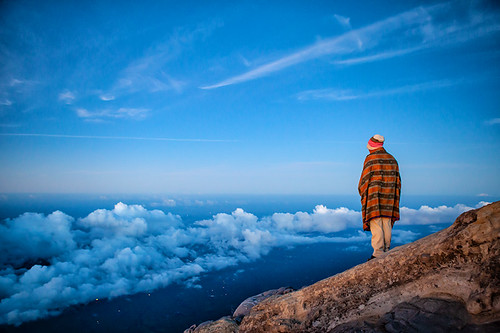
Approaching Mount Ijen immerses trekkers in a landscape shaped by intense volcanic activity. The trail begins through dense tropical forests, gradually giving way to barren volcanic slopes. At night, the darkness is illuminated by the rare electric blue flames caused by burning sulfur gases, a phenomenon unique to this volcano. As dawn arrives, the striking turquoise acidic crater lake becomes visible, contrasting sharply with the surrounding black lava rocks. Standing at the crater rim offers a profound connection to the raw power of nature, blending beauty with the volatile forces beneath the surface.
Mount Ijen: Geological Background
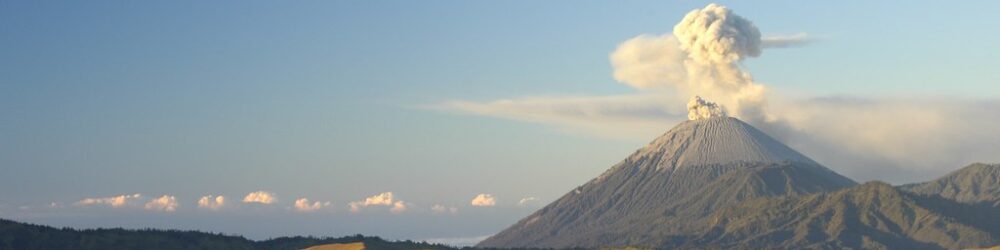
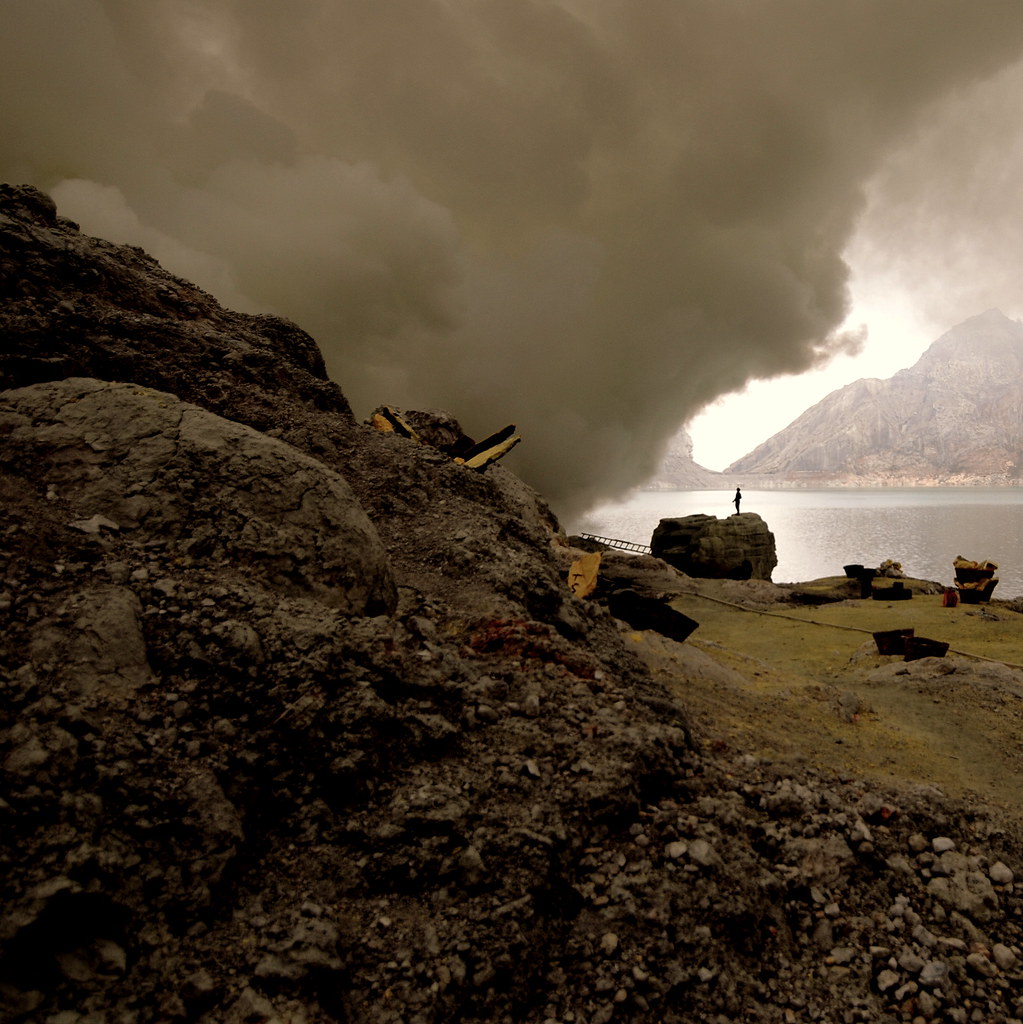
Mount Ijen is a stratovolcano formed from successive layers of lava, ash, and volcanic debris. Its most remarkable feature is the Kawah Ijen crater, which contains the world’s largest highly acidic crater lake, tinted turquoise by dissolved volcanic minerals. The volcano continuously emits sulfur gases that ignite upon contact with air, producing the famous blue flames visible at night. Inside the crater, fumaroles and steam vents release sulfur-rich gases that deposit bright yellow sulfur crystals. These ongoing geological processes create a dynamic environment characterized by intense heat, chemical reactions, and evolving terrain.
Terrain and Hiking Experience on Mount Ijen
The trek to Mount Ijen’s crater rim covers approximately 3 kilometers with an elevation gain of 518 meters. The trail features a mix of steep ash slopes, rocky sections, and loose gravel paths, requiring careful footing and steady pacing. Nighttime ascents rely on headlamps, enhancing the sense of adventure. Near the crater, sulfur fumes are strong, making gas masks essential for safety. Descending can be challenging due to slippery volcanic gravel. Climbers should prepare for variable temperatures and wind near the summit by dressing in layers.

What Makes Mount Ijen Trek Unique
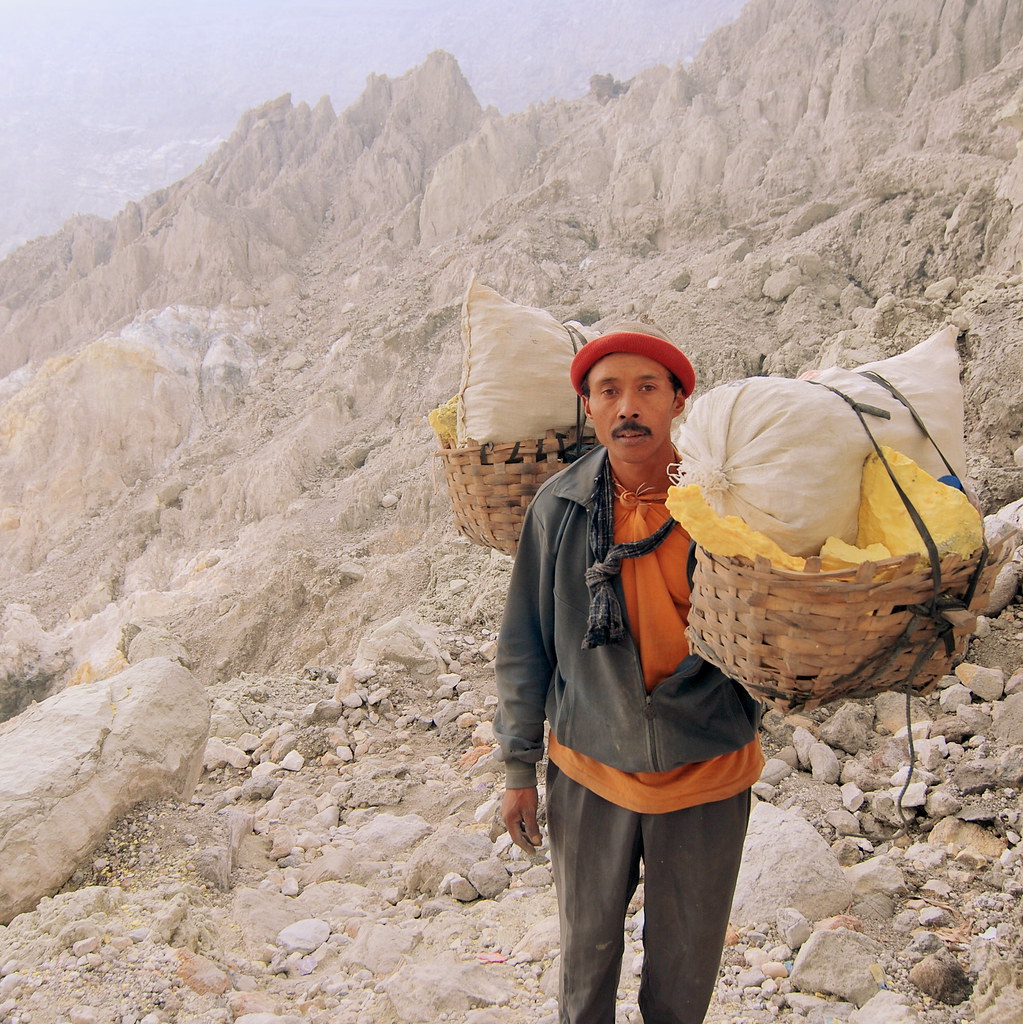
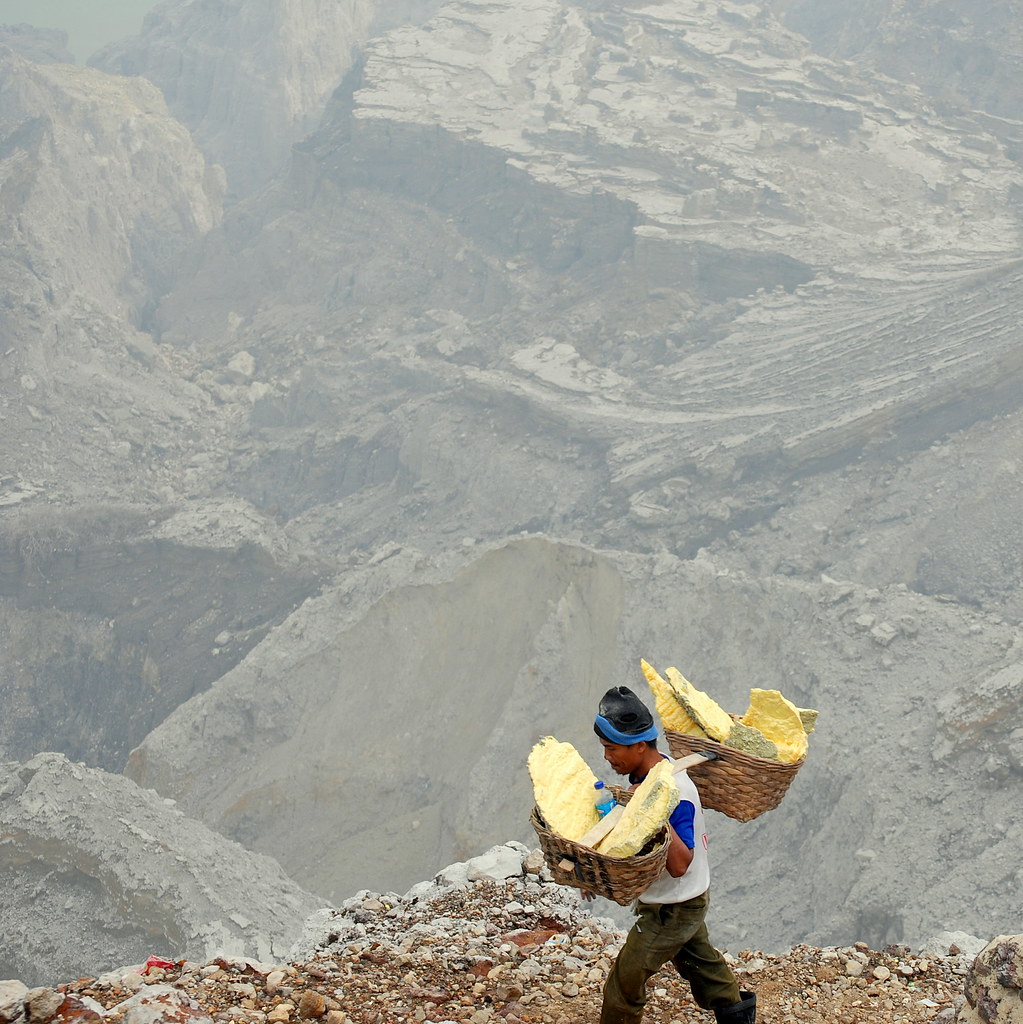
Mount Ijen’s trek is renowned for the extraordinary blue fire phenomenon—electric blue flames caused by ignited sulfuric gases visible only in darkness. The volcano also features the largest acidic crater lake on Earth, a vivid turquoise pool that contrasts dramatically with the black volcanic landscape. Additionally, the ongoing traditional sulfur mining inside the crater adds a human dimension to the experience, where miners carry heavy sulfur loads through hazardous conditions. This combination of rare natural phenomena and cultural resilience makes the Ijen trek truly unique.
Summit and Crater Experience
Reaching the summit at dawn reveals a breathtaking panorama of the vast turquoise crater lake surrounded by jagged volcanic ridges. The air is thick with the pungent odor of sulfur, and the ground near fumaroles radiates intense heat. Blue flames may still flicker in shaded areas, casting an ethereal glow over the landscape. The hissing sounds of escaping gases add to the immersive sensory experience. This moment highlights the volcano’s volatile nature and the delicate balance between awe-inspiring beauty and inherent danger.
Best Time to Trek Mount Ijen
The ideal period to hike Mount Ijen is during the dry season, from May to October, when trails are safer and visibility for the blue fire and sunrise is optimal. Nighttime hikes typically start around 2 AM to witness the blue flames before dawn. The rainy season should be avoided due to slippery trails and reduced visibility, which increase risks. Visitors must also monitor volcanic gas warnings and comply with updated safety regulations, including the medical certificate requirement introduced in 2024.
Trekking Routes and Trail Options
The main and official route to Mount Ijen’s crater rim begins at the Paltuding basecamp, accessible by road from Banyuwangi. This 3-kilometer trail ascends 518 meters and is considered the safest path. Due to sulfur gas hazards and recent regulations, guided tours with licensed local guides are mandatory. Alternative routes are discouraged because of safety concerns and conservation efforts. The ascent usually takes between 1.5 to 2 hours, with the descent lasting about 1 hour.
Difficulty Assessment
Mount Ijen is classified as a moderate trek. The trail is steep and rocky but does not require technical climbing skills. A good fitness level is recommended since altitude and sulfur fumes can affect breathing. While accessible to beginners with proper preparation, the hike is not advised for individuals with respiratory or heart conditions. Using appropriate gear and allowing time for acclimatization enhances safety and comfort during the trek.
Essential Volcano Trekking Gear
Essential gear includes sturdy hiking boots with strong grip, trekking poles for stability on loose gravel, and layered clothing to adapt to temperature changes. A professional gas mask is mandatory near the crater to protect against sulfur fumes. Headlamps are crucial for night ascents. Additional recommended items include gloves, a windproof jacket, hydration packs, sun protection, and a valid medical certificate as required by park regulations.
Safety and Volcanic Hazards
Mount Ijen’s active status presents hazards such as toxic sulfur gases, unstable crater edges, loose volcanic scree, and sudden weather changes. Hikers must wear gas masks near the crater and strictly follow ranger instructions. The park authority continuously monitors gas emissions and may restrict crater access if conditions become unsafe. Awareness of personal health and compliance with the medical certificate requirement are critical for safe trekking.
Permits, Guides, and Logistics
Permits are mandatory and can be obtained at the park entrance or through authorized online booking platforms. Since 2024, all climbers must present a doctor-issued medical certificate. Licensed local guides are compulsory to ensure safety and regulatory compliance. Organized tours from Banyuwangi or Bali simplify logistics, including transportation, ferry crossings, and permit arrangements. Booking in advance is strongly recommended, especially during peak seasons.
Where to Stay Near Mount Ijen
Banyuwangi city serves as the main gateway to Mount Ijen, offering a wide range of accommodations from budget hostels to comfortable hotels. Staying in Banyuwangi allows for proper rest before the midnight trek. Near the Paltuding basecamp, simple lodges and homestays provide convenient access but limited amenities. Some eco-camps and guesthouses close to the trailhead cater to trekkers seeking immersive nature experiences and proximity to the volcano.