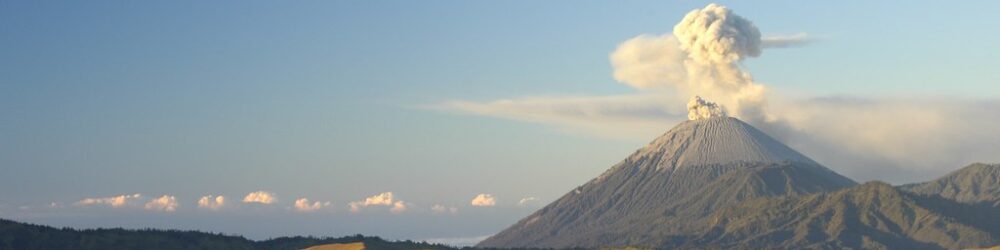

Hiking Mount Gede: The Ultimate Volcano Trekking Guide to West Java’s Active Stratovolcano
Mount Gede, an active stratovolcano in West Java, Indonesia, offers a moderate trek through lush rainforests, alpine meadows, and volcanic craters. This guide covers geology, trekking routes, permits, safety, and the unique crater lake experience, perfect for beginner to intermediate volcano hikers.
Quick Volcano Snapshot
| Volcano type | Stratovolcano |
|---|---|
| Elevation | 2,958 meters |
| Location | West Java, Indonesia |
| Activity status | Active (last eruption 1957) |
| Trekking difficulty | Moderate |
| Typical trek duration | 6 to 8 hours round trip |
| Altitude gain | Approximately 1,500 meters |
| Terrain type | Rainforest trails, volcanic ash slopes, rocky summit |
| Best season | April to October (dry season) |
| Temperature range | 5°C to 25°C depending on altitude and time |
| Permit requirement | Mandatory hiking permit booked online |
The Experience of Hiking Mount Gede
Mount Gede offers a captivating journey through diverse landscapes, starting from dense tropical rainforests that gradually transition into misty alpine meadows. Along the trail, hikers encounter the surreal blue glow of Telaga Biru crater lake and soothing natural hot springs. The ascent culminates at the summit, where steaming fumaroles and sulfur vents create a vivid reminder of the volcano's active nature. Panoramic views of West Java's volcanic peaks and lush valleys surround trekkers, making the experience both visually stunning and deeply immersive. The contrast between fertile forest and barren volcanic rock adds to the trek's dramatic appeal.
Mount Gede: Geological Background
Mount Gede is a classic stratovolcano formed atop an older extinct caldera. Its volcanic activity has shaped the region for centuries, with the most recent eruption occurring in 1957. The summit area contains seven distinct craters, some featuring active hydrothermal vents that emit steam and sulfur gases. The volcano's explosive eruptions have deposited layers of ash and lava, creating rugged terrain. Notable geological features include the crater lake Telaga Biru and sulfur deposits near fumaroles. This dynamic environment serves as a natural laboratory for understanding volcanic processes and landscape evolution.
Terrain and Hiking Experience on Mount Gede
The trek to Mount Gede's summit traverses a variety of terrains, including well-maintained rainforest paths, steep volcanic ash slopes, and rocky sections near the crater. Hikers will encounter soft pumice, moss-covered rocks, and occasional scree fields that require careful footing. The trail ascends steadily, with altitude effects becoming noticeable above 2,000 meters. Weather conditions can change rapidly near the summit, with wind and temperature fluctuations common. Overall, the terrain demands moderate fitness and sure-footedness but remains accessible to prepared beginners.
What Makes Mount Gede Trek Unique
Mount Gede stands out for its combination of accessible active volcanic features and rich biodiversity. Highlights include the ethereal blue crater lake Telaga Biru, natural hot springs along the trail, and the alpine meadow of Surya Kencana, home to rare Javanese Edelweiss flowers. Its proximity to Jakarta offers a rare opportunity for a volcanic adventure near a major urban center. The trek blends volcanic activity, lush rainforest ecosystems, and diverse wildlife, creating a multi-sensory experience that appeals to nature lovers and volcano enthusiasts alike.
Summit and Crater Experience
At the summit, hikers are greeted by steaming fumaroles and sulfur vents that fill the air with a faint mineral scent. The crater rim provides sweeping views of neighboring volcanoes and verdant valleys below. The striking blue waters of Telaga Biru shimmer within the crater, contrasting vividly with the dark volcanic rock. The sounds of escaping gases and the warmth beneath your feet serve as constant reminders of the volcano's latent power. Sunrise at the summit bathes the landscape in golden light, enhancing the sense of awe and connection to this dynamic natural environment.
Best Time to Trek Mount Gede
The optimal trekking season for Mount Gede is during the dry months from April to October, when trails are clear and weather conditions are stable. The rainy season, from November to March, brings slippery paths and increased risk of landslides, making trekking hazardous. Early morning starts are recommended to enjoy cooler temperatures and to witness spectacular sunrise views from the summit. Park authorities may close trails temporarily due to weather hazards or ecosystem recovery efforts, so it is essential to check official updates before planning your trek.
Trekking Routes and Trail Options
Mount Gede features three main trekking routes. The Cibodas Trail is the most popular and beginner-friendly, offering scenic waterfalls and resting shelters along the way. The Gunung Putri Trail is steeper but manageable for fit beginners seeking a more challenging ascent. The Selabintana Trail is the longest and least frequented, recommended for experienced hikers looking for solitude and extended trekking. All routes converge at the summit but differ in length, elevation gain, and difficulty. Guided tours are widely available and recommended, especially for first-time visitors.
Difficulty Assessment
Mount Gede is classified as a moderate volcano trek. The terrain includes steep volcanic ash slopes and rocky sections but requires no technical climbing skills. The altitude approaches 3,000 meters, so mild altitude effects such as shortness of breath or fatigue may occur. The trail is well-marked and maintained, suitable for regular hikers and beginners who prepare adequately. Families and novice trekkers can attempt the hike with proper pacing and rest. Overall, the trek balances challenge and accessibility.
Essential Volcano Trekking Gear
Recommended gear includes sturdy hiking boots with good grip to handle volcanic ash and rocky terrain. Trekking poles provide stability on steep slopes, while gaiters help keep volcanic debris out of boots. Layered clothing and a windproof jacket are essential to adapt to temperature changes near the summit. Carry at least 2 liters of water, sun protection such as a hat and sunscreen, and a headlamp for early morning starts. A basic first aid kit and rain gear are advisable. Gas masks are generally unnecessary but check current volcanic activity advisories before your trek.
Safety and Volcanic Hazards
Mount Gede is an active volcano closely monitored by Indonesian authorities. Potential hazards include volcanic gases near fumaroles, unstable crater edges, loose scree, and sudden weather changes. Hikers must stay on marked trails and follow all park warnings. Avoid trekking during heavy rain or strong winds to reduce risk. Obtaining permits and hiring guides enhance safety and ensure compliance with regulations. Emergency services exist but are limited; preparedness, caution, and respect for the environment are essential for a safe trek.
Permits, Guides, and Logistics
A mandatory hiking permit must be booked online in advance due to daily visitor limits. The permit fee covers park entry and insurance. Guided hikes are strongly recommended, especially for first-time visitors, as guides provide safety oversight, local knowledge, and logistical support. The main entry point is Cibodas, with additional gates at Gunung Putri and Selabintana. Transportation options from Jakarta or Bandung include private cars and public transit, often requiring local transfers to reach trailheads.
Where to Stay Near Mount Gede
Accommodation near Mount Gede includes guesthouses and eco-lodges in the villages of Cibodas and Cipanas, offering convenient access to trailheads. For multi-day treks, camping is permitted at designated sites such as Surya Kencana meadow. Many guided tours include basecamp lodging as part of their packages. It is advisable to book accommodations in advance during peak trekking seasons. Facilities range from basic to comfortable, catering to budget travelers and those seeking mid-range options.
