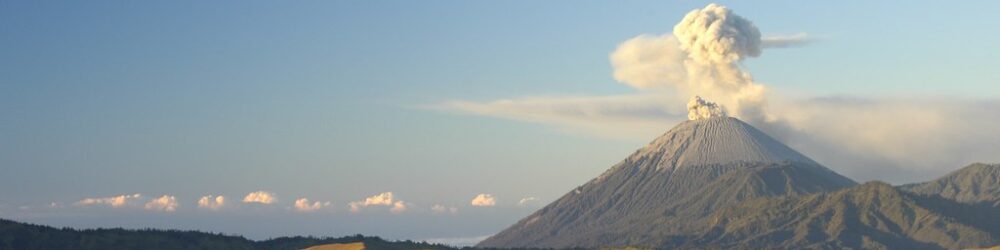

Mount Awu Volcano Trekking Guide: Exploring Indonesia’s Active Stratovolcano with Accessible Crater
Mount Awu, an active stratovolcano on Sangir Island in North Sulawesi, Indonesia, offers a thrilling moderate trek to its expansive crater rim and lava dome. This guide covers geological insights, trekking routes, safety tips, and local culture for adventurers seeking an immersive volcano hiking experience.
Quick Volcano Snapshot
| Volcano type | Stratovolcano |
|---|---|
| Elevation | 1,320 m |
| Location | Sangir Island, North Sulawesi, Indonesia |
| Activity status | Active |
| Trekking difficulty | Moderate |
| Typical trek duration | 6-8 hours round trip |
| Altitude gain | Approximately 1,200 m |
| Terrain type | Coconut plantations, rainforest, rocky ridges, grassy crater rim |
| Best season | Dry season (May to September) |
| Temperature range | 18°C to 28°C |
| Permit requirement | Required; local permits and guide recommended |
Introduction: The Experience of Hiking Mount Awu
Approaching Mount Awu, the landscape shifts dramatically from lush tropical plantations to dense rainforest, then opens onto a vast volcanic arena. The air hums with geological energy, and the sight of the towering stratovolcano commands respect. Trekking upward, hikers traverse verdant greenery before emerging onto the crater rim, where panoramic views reveal the lava dome nestled within a 4.5 km-wide caldera. The contrast between fertile island life and the stark volcanic terrain evokes a profound sense of nature’s power and fragility. Reaching the crater rim, the raw heat and sulfurous scent immerse trekkers in the living heart of this active volcano.
The Volcano Itself: Geological Background
Mount Awu is a classic stratovolcano formed by successive layers of lava and ash from explosive eruptions. Situated on Sangir Island, it is part of a complex arc-arc collision zone with intense subduction activity. The volcano’s summit hosts a large 4.5 km-wide crater containing a lava dome formed during the last major eruption in 2004. Historically, Mount Awu has produced powerful eruptions with pyroclastic flows and lahars, causing significant fatalities. Its crater lake, once deep and extensive, was largely ejected in past eruptions but remains a key feature influencing volcanic activity. Fumaroles and sulfur deposits around the crater attest to ongoing geothermal processes beneath the surface.
The Volcano Trek: Terrain and Hiking Experience
The trek begins at a low elevation near Kampung Angges, winding through coconut plantations with occasional steep sections. As the trail ascends, dense rainforest with ferns and rich vegetation envelops the path, offering shade and humidity. Beyond the forest, the terrain opens onto ridges with medium-height shrubs and rocky outcrops requiring minor scrambling. Near the crater rim, grassy slopes replace dense vegetation, and hikers encounter steep, sometimes slippery sections with loose volcanic scree. The trail’s varied terrain demands steady footing and moderate fitness, while altitude remains manageable. Wind and temperature shifts near the summit add to the dynamic hiking experience.
What Makes This Volcano Trek Unique
Mount Awu’s uniqueness lies in its status as an active stratovolcano with an accessible crater rim and a prominent lava dome visible from the trail. Frequent eruptions have shaped a dramatic landscape where hikers can witness geothermal activity firsthand. The volcano’s location on a remote island adds cultural richness, with local villages and plantations integrated into the trekking route. The opportunity to explore an active volcano with a large crater lake and steep cliffs, combined with panoramic views over the Sangihe Islands, makes this trek a rare adventure for volcano enthusiasts.
The Summit and Crater Experience
Reaching the crater rim, trekkers are greeted by sweeping vistas of the lava dome nestled within the vast caldera. The air carries the sharp scent of sulfur, and steam rises from fumaroles dotting the crater floor. The ground beneath feels warm, a tangible reminder of the molten forces below. Sounds of escaping volcanic gases punctuate the silence, while waterfalls cascade down the crater walls. The highest summit point lies beyond steep cliffs and is generally inaccessible, emphasizing the raw and untamed nature of the volcano. Sitting at the rim, hikers absorb the scale and power of this living geological monument.
Best Time to Trek Mount Awu
The optimal trekking season is during the dry months from May to September, when trails are less slippery and weather conditions are more stable. Heavy rains during the monsoon season can increase the risk of landslides and lahar flows. Volcanic activity is continuously monitored, and trekkers should heed local advisories, especially during periods of increased seismicity. Early morning climbs are recommended to avoid afternoon heat and sudden weather changes. Avoiding the rainy season also reduces encounters with leeches in the forested sections.
Trekking Routes and Trail Options
The primary route starts at Kampung Angges, near the town of Tahuna, at an elevation below 100 meters. The trail ascends through coconut plantations, rainforest, and ridges to the crater rim at approximately 1,255 meters. The round trip typically takes 6 to 8 hours. Several rest huts and camping spots are available along the way. Alternative routes exist from Desa Kendahe, leading directly to the summit, but these are less documented and considered more challenging. Guided treks are recommended for safety and local knowledge, though experienced hikers can attempt self-guided ascents with proper preparation.
Difficulty Assessment
Mount Awu is classified as a moderate volcano trek. The terrain includes steep sections, minor scrambling, and slippery volcanic scree near the summit. Altitude is moderate, peaking at 1,320 meters, which generally does not cause severe altitude sickness. No technical climbing gear is required, but good physical fitness and sure-footedness are essential. The trail’s variable conditions and active volcanic status demand caution and respect for safety guidelines.
Essential Volcano Trekking Gear
Recommended gear includes sturdy hiking boots with excellent grip for rocky and slippery terrain, trekking poles for stability, and gaiters to protect against volcanic ash and leeches. A windproof and waterproof jacket is essential due to variable weather. Carry a headlamp for early starts or late finishes. Sun protection such as a hat, sunglasses, and sunscreen is critical as shade is limited near the crater. A gas mask or respirator is advisable during periods of increased volcanic gas emissions. Hydration systems and sufficient water are mandatory for the strenuous ascent.
Safety and Volcanic Hazards
Mount Awu’s active status poses risks including volcanic gases, sudden eruptions, unstable crater edges, and falling rocks. The Geological Agency monitors activity levels and issues warnings; currently, a 3 km exclusion zone around the crater is advised during heightened activity. Trekkers must avoid entering restricted zones and follow local guides’ instructions. Weather can change rapidly, increasing hazards on steep slopes. Awareness of lahar pathways and avoiding these during rains is critical. Emergency plans and communication devices are recommended for all expeditions.
Permits, Guides, and Regulations
Permits are required to trek Mount Awu and can be obtained locally in Tahuna or through authorized agencies. Hiring a local guide is strongly recommended for safety, navigation, and cultural insight. Park entry fees apply and contribute to conservation efforts. Seasonal closures may occur during periods of volcanic unrest. Visitors must comply with safety regulations and respect local communities. Advance booking for guides and permits is advised during peak trekking seasons.
Where to Stay Near Mount Awu
Accommodation options include guesthouses and homestays in Tahuna and nearby villages such as Kampung Angges. Simple lodges and eco-camps provide basic facilities close to trailheads. Staying in local villages offers cultural immersion and supports the community. Facilities are modest, so trekkers should prepare accordingly. Some trekkers opt to camp near the crater rim for sunrise experiences, but this requires prior arrangement and permits.
