
Trekking Mount Aso and Kuju Volcanoes: The Ultimate Guide to Japan’s Active Volcanic Landscapes
Explore the dynamic volcanic terrain of Aso-Kuju National Park in Kyushu, Japan. This guide covers the geology, trekking routes, safety, and unique features of Mount Aso’s active caldera and the Kuju volcanic group. Perfect for adventure seekers and geology enthusiasts aiming to conquer Japan’s largest active volcano and its volcanic neighbors.
Quick Volcano Snapshot
| Volcano type | Complex volcano |
|---|---|
| Elevation | Mount Takadake 1,592 m; Kuju peaks up to 1,791 m |
| Location | Aso-Kuju National Park, Kyushu, Japan |
| Activity status | Active |
| Trekking difficulty | Moderate |
| Typical trek duration | 3 to 6 hours depending on route |
| Altitude gain | Up to 600 meters on main routes |
| Terrain type | Lava fields, ash slopes, volcanic rock, grasslands |
| Best season | October to November (autumn), Spring |
| Temperature range | Approx. 5°C to 20°C depending on season and altitude |
| Permit requirement | No general permit required; crater access may be restricted |
The Experience of Hiking Mount Aso and Kuju Volcanoes
Approaching Mount Aso and the Kuju volcanic group immerses you in a raw, elemental landscape shaped by fire and earth. The vast Aso caldera stretches wide, its rim punctuated by five towering peaks. The contrast between the barren, steaming craters and the lush grasslands below evokes a profound sense of geological power. Hiking these volcanoes means traversing ancient lava flows, ash-covered slopes, and verdant meadows, culminating in the awe-inspiring moment of standing at an active crater’s edge, where the Earth’s molten heart pulses visibly.
Geological Background of Mount Aso and Kuju Volcanoes
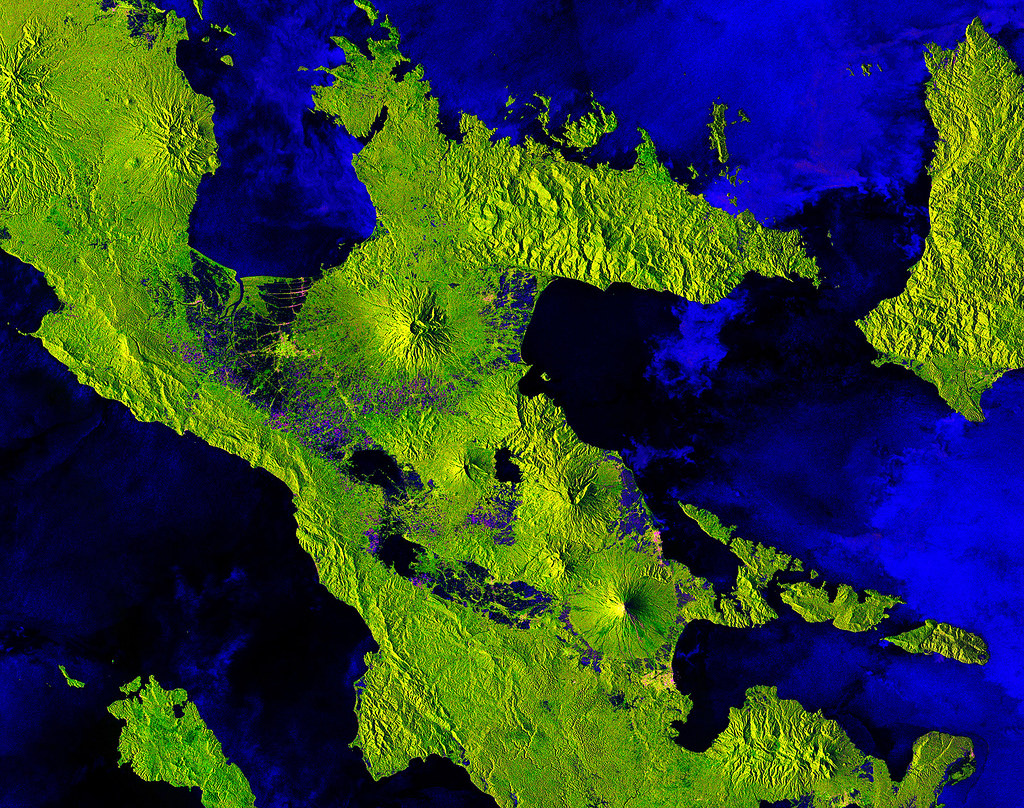
Mount Aso is a complex volcano formed by multiple massive eruptions between 300,000 and 90,000 years ago, creating one of the world’s largest calderas. Its central cone group, known as the Five Mountains of Aso, includes active craters like Nakadake, which continuously emits volcanic gases and occasional eruptions. The Kuju Mountains, part of the same national park, are a volcanic range formed over 100,000 years ago, featuring andesitic lava domes and fumaroles. The region’s geology is marked by pyroclastic flows, lava plateaus, sulfur deposits, and steaming vents that reveal the volcanoes’ restless nature.
Terrain and Hiking Experience on Mount Aso and Kuju
Trekking here involves varied terrain: steep ash slopes that challenge footing, rugged lava rock fields requiring careful navigation, and soft volcanic pumice that cushions your steps. The Kuju peaks offer grassy ridges and occasional rock scrambling, while Mount Aso’s crater rim trails expose hikers to strong winds and sulfurous steam. Altitude effects are moderate but noticeable, especially near the summit. Temperature can shift rapidly, and hikers must be prepared for sudden weather changes. The terrain’s volcanic nature demands sturdy boots and alertness to loose scree and fumarole vents.
What Makes the Aso-Kuju Volcano Trek Unique
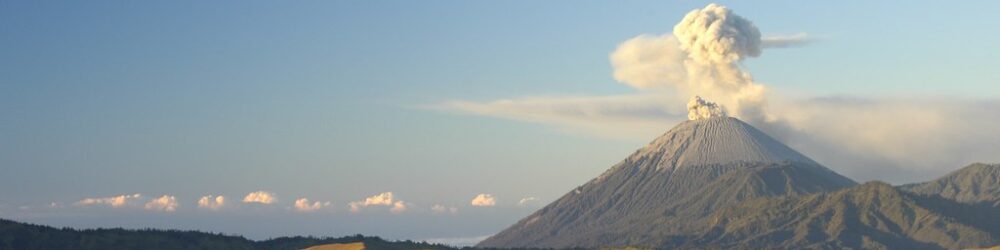
This trek stands out for its combination of Japan’s largest active volcano and a volcanic mountain range within one park. The active Nakadake crater is one of the few accessible active volcanic craters worldwide, offering direct views of volcanic smoke and occasional eruptions. The Kuju Mountains add diversity with their steaming vents and expansive grasslands. The vast caldera landscape, with its pastoral scenes of grazing horses and cows, contrasts starkly with the raw volcanic features. Seasonal colors, especially autumn foliage, and abundant hot springs nearby enhance the experience.
The Summit and Crater Experience
Reaching the summit of Mount Takadake or Nakadake crater rim is a sensory spectacle. The panoramic views stretch across the caldera, revealing a patchwork of volcanic cones, grasslands, and distant mountains. At Nakadake, the sulfurous smell is pungent, and the heat from fumaroles warms the air. The constant hiss and occasional rumble of escaping gases remind you of the volcano’s living power. The sight of swirling smoke and glowing vents beneath a wide sky creates an unforgettable connection to Earth’s fiery core.
Best Time to Trek Mount Aso and Kuju Volcanoes
The ideal trekking seasons are autumn (late October to mid-November) and spring when weather is stable and temperatures are mild. Autumn offers spectacular fall foliage, while spring brings fresh greenery. Summer can be hot and humid with frequent rains, and winter may bring snow and icy conditions on higher peaks, increasing risk. Volcanic activity can lead to temporary crater closures; always check current volcanic alerts before planning your trek. Early morning climbs are recommended for clearer views and calmer winds.
Trekking Routes and Trail Options
Mount Aso’s main trekking routes focus on the central cone group, especially Takadake and Nakadake. The Nakadake crater rim is accessible via a road and short hike, with guided tours available. Takadake summit hikes start from the Aso Volcano Museum area, typically taking 3 to 6 hours round trip. The Kuju Mountains offer multiple trails from Makinoto Pass and Chojabaru Visitor Center, ranging from easy 30-minute walks around wetlands to full-day ascents of peaks like Nakadake (Kuju) and Kuju-san. Routes vary in length, elevation gain, and difficulty, with options for self-guided or guided hikes.
Difficulty Assessment of the Volcano Treks
These volcano treks are classified as moderate. Trails are well-marked and generally free of technical climbing, but uneven volcanic terrain and altitude gain require good fitness and surefootedness. Some routes include steep ash slopes and slippery volcanic scree. Winter conditions can increase difficulty due to snow and ice. No specialized mountaineering skills are needed, but hikers should be prepared for variable weather and volcanic hazards. Suitable for hikers with prior mountain trekking experience.
Essential Volcano Trekking Gear
Key gear includes sturdy hiking boots with strong grip for volcanic rock and scree, trekking poles for stability on loose ash slopes, and gaiters to keep volcanic ash out of boots. A windproof and waterproof jacket is essential due to sudden weather changes. A headlamp is recommended for early starts or late finishes. Carry sufficient water and sun protection, as shade is limited. A gas mask or respirator is advised when visiting active crater areas with sulfur gases. Layered clothing helps manage temperature shifts.
Safety and Volcanic Hazards
Volcano trekking here involves risks from volcanic gases, unstable crater edges, falling rocks, and loose scree. Active fumaroles emit sulfur dioxide and other gases that can be harmful; avoid low-lying areas and heed warning signs. Crater access may be restricted during heightened volcanic activity. Sudden weather changes can cause hypothermia or disorientation. Always check updates from Japan Meteorological Agency and park authorities. Use designated trails and avoid venturing near unstable crater rims.
Permits, Guides, and Logistics
No general permit is required to enter Aso-Kuju National Park, but crater access may be closed or require guided tours depending on volcanic activity. Hiring a local guide is recommended for safety and enhanced geological insight. Park entry is free, though some facilities charge fees. Seasonal closures and safety regulations are strictly enforced. Public transport connects major trailheads, but renting a car offers greater flexibility. Plan logistics carefully, especially during peak seasons.
Where to Stay Near Mount Aso and Kuju Volcanoes
Accommodation options include traditional ryokans and hotels in Aso city and nearby towns, many featuring hot spring baths. Eco campsites and mountain huts are available near Kuju trailheads. The Chojabaru Visitor Center area offers convenient access and facilities. Staying in Kumamoto or Oita cities is possible but requires longer travel times. Early booking is advised during autumn foliage season. Many lodgings provide shuttle services to trailheads.