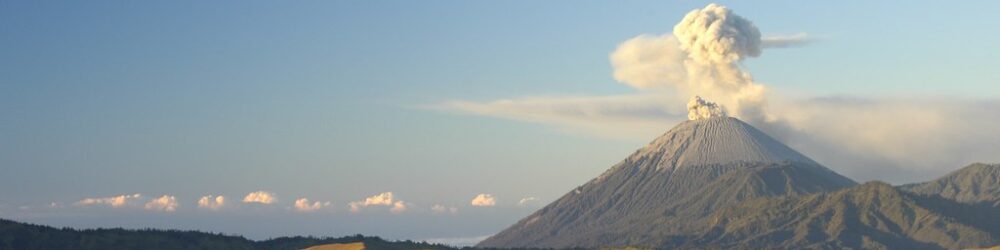

Mount Aso Volcano Trekking Guide: Exploring Japan’s Vast Active Caldera
Discover the thrill of hiking Mount Aso, one of the world's largest active volcanic calderas in Kyushu, Japan. This guide covers geology, trekking routes, safety, and unique volcanic features for adventurers and geology enthusiasts.
Quick Volcano Snapshot
| Volcano type | Complex volcano |
|---|---|
| Elevation | 1,592 meters |
| Location | Kyushu, Japan |
| Activity status | Active |
| Trekking difficulty | Easy to Moderate |
| Typical trek duration | 2 to 5 hours depending on route |
| Altitude gain | Up to 500 meters on popular trails |
| Terrain type | Lava fields, ash slopes, grasslands, volcanic rock |
| Best season | Spring to Autumn (April to November) |
| Temperature range | 5°C to 20°C near summit depending on season |
| Permit requirement | No general permit required; crater access restricted based on volcanic activity |
The Experience of Hiking Mount Aso
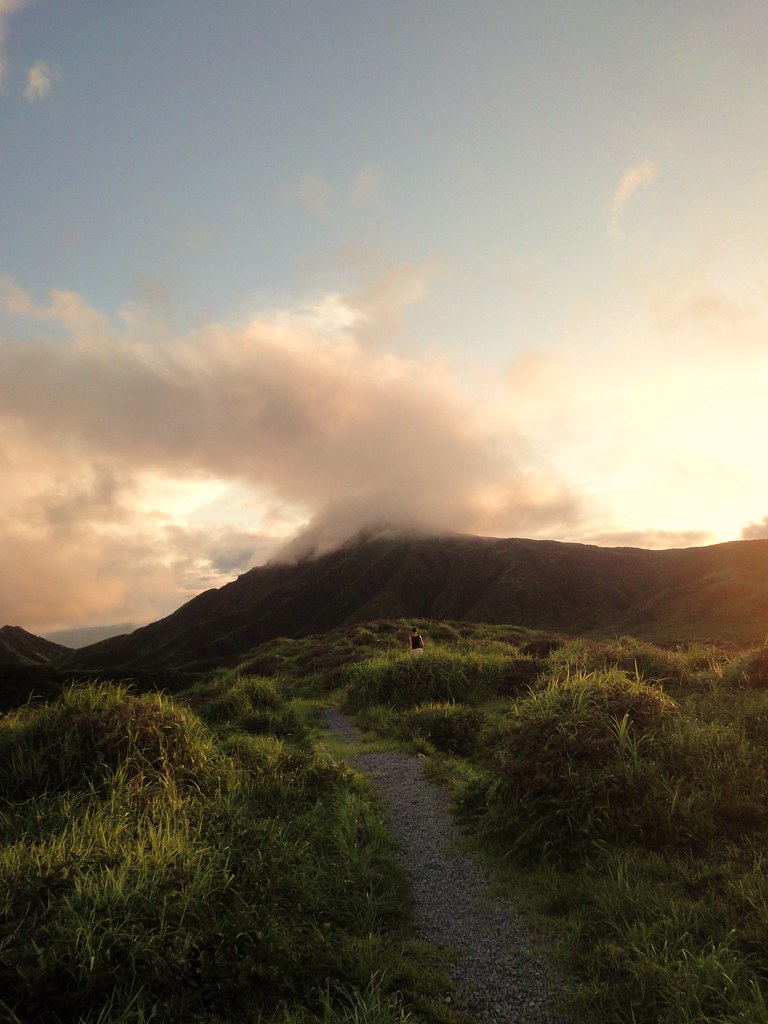
Approaching Mount Aso, hikers are greeted by a vast caldera stretching over 100 square kilometers, a dramatic volcanic landscape where lush green pastures abruptly give way to barren ash and steaming vents. The contrast between fertile grasslands and the raw power of the active Nakadake crater creates a surreal atmosphere. As you ascend, the scent of sulfur and the sight of fumaroles remind you of the Earth's restless energy beneath your feet. Reaching the crater rim, the panorama of volcanic peaks and the simmering crater lake evoke a profound sense of awe and connection to the planet’s fiery heart.

Mount Aso: Geological Background
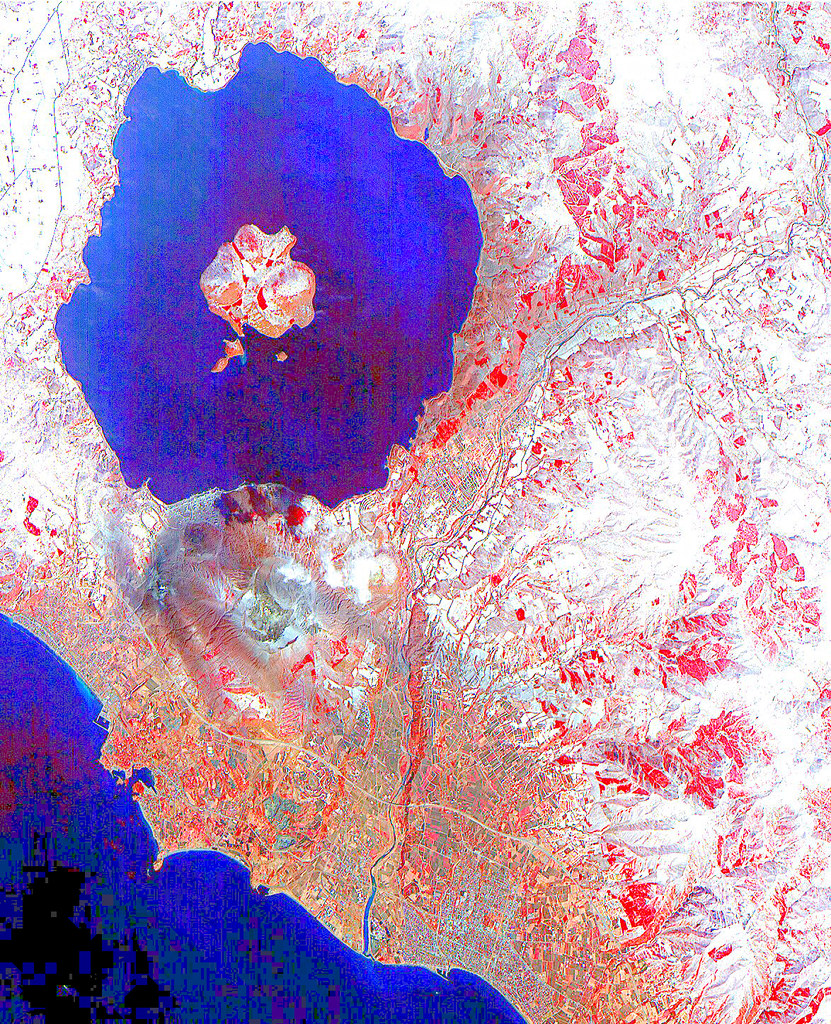
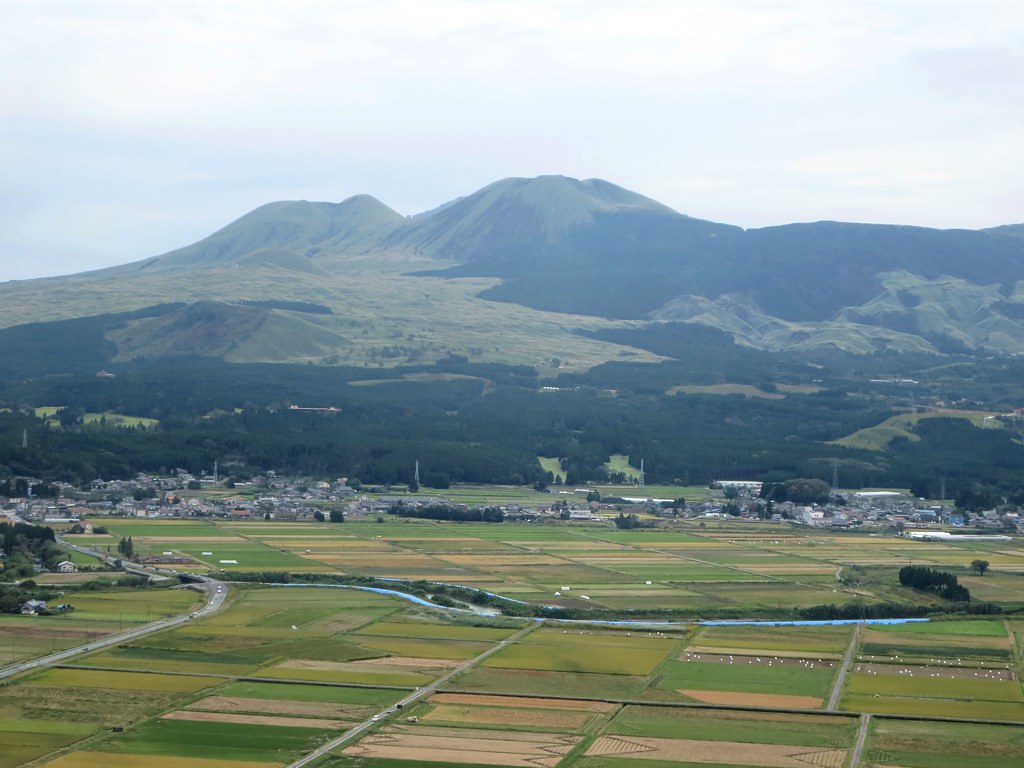
Mount Aso is a complex volcano formed by multiple eruptions over the last 300,000 years, creating one of the world's largest calderas. The caldera spans approximately 25 kilometers north-south and 18 kilometers east-west, formed by massive pyroclastic flows and collapse events. Within this caldera lie five volcanic peaks, with Nakadake being the most active. The crater features a dynamic acid lake that changes color and size with volcanic activity. Sulfur deposits, fumaroles, and steaming vents are common, illustrating ongoing subterranean processes. The volcanic minerals and layered lava flows tell a story of repeated eruptions shaping this unique landscape.
Terrain and Hiking Experience on Mount Aso
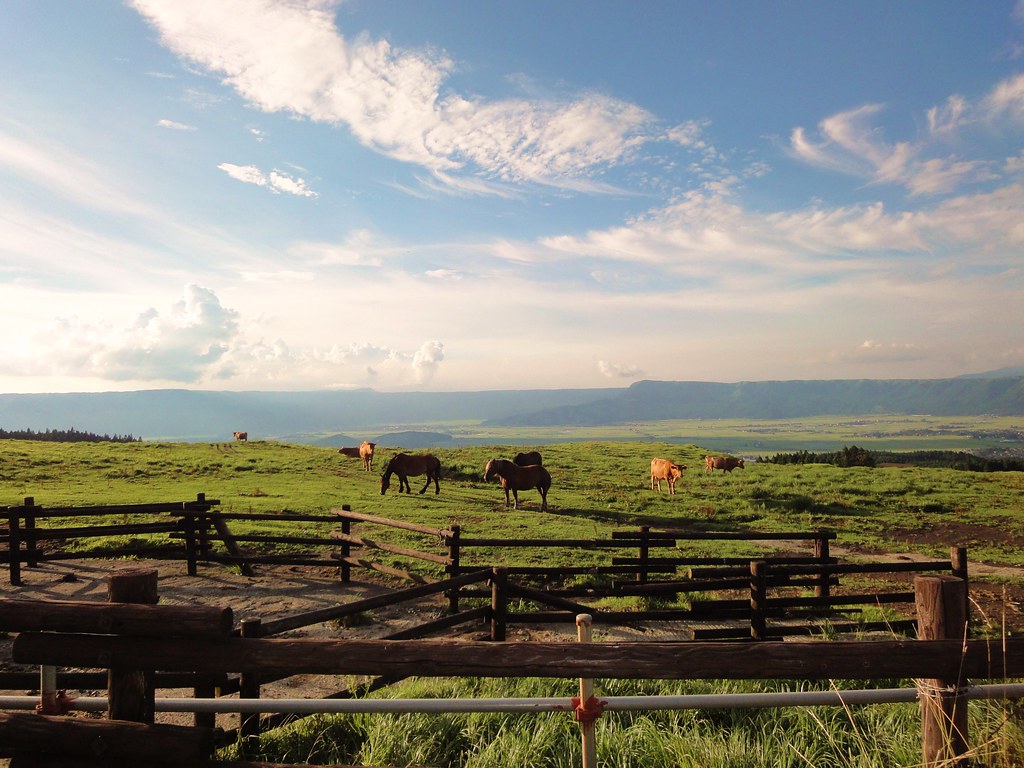
Hiking Mount Aso involves traversing varied terrain, from soft volcanic ash slopes to rugged lava rock fields. Trails wind through expansive grasslands dotted with grazing Akaushi cattle before transitioning to barren volcanic desert near the crater. The ascent can include loose pumice and scree, requiring careful footing. Ridge walking along the caldera rim offers exposure to strong winds and sweeping views. Altitude is moderate but noticeable, with temperature drops near the summit. The terrain’s diversity shapes the hiking challenge, blending easy pasture walks with more demanding volcanic rock scrambling.

What Makes Mount Aso Trek Unique
Mount Aso’s trek is distinguished by its immense caldera, one of the largest on Earth, encompassing multiple volcanic peaks and an active crater. The presence of a steaming acid lake within Nakadake crater and frequent fumarolic activity provide a rare glimpse into an active volcanic system. The juxtaposition of vibrant green Kusasenri grasslands against the stark volcanic desert creates striking visual contrasts. Cultural elements, such as ancient shrines dedicated to the volcano deity, add spiritual depth. Seasonal changes reveal different volcanic moods, from tranquil steaming lakes to glowing crater floors during heightened activity.
Summit and Crater Experience at Mount Aso
Reaching the Nakadake crater rim is a sensory immersion: the sharp smell of sulfur fills the air, and the ground vibrates subtly with volcanic energy. Steam vents hiss and gases escape in rhythmic bursts, accompanied by the occasional rumble from deep below. The crater lake’s turquoise waters shimmer eerily, shifting hues with volcanic activity. From the summit, panoramic views stretch across the caldera’s vast expanse, framed by the five volcanic peaks. The raw power and beauty of this active volcano create an unforgettable moment of connection to Earth’s primal forces.
Best Time to Trek Mount Aso
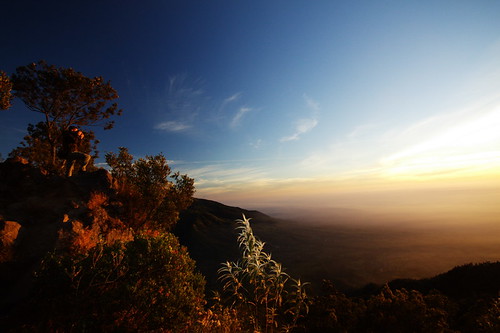
The ideal trekking season runs from spring through autumn (April to November), when weather is mild and trails are accessible. Summers can be warm but offer lush landscapes, while autumn brings crisp air and clear skies. Winter months are colder with occasional snow, limiting access. Volcanic activity fluctuates year-round, so crater access depends on real-time monitoring and safety restrictions. Early morning climbs are favored for calmer winds and dramatic lighting, but hikers must always check current volcanic alerts before planning their trek.
Mount Aso Trekking Routes and Trail Options
Several routes lead to and around Mount Aso’s peaks. The most popular is the hike to Mount Eboshi, an easy 1-2 hour trail offering panoramic views of Nakadake crater. The Eastern route from Aso Station to Kusasenri grasslands is scenic and accessible. For more adventurous hikers, trails ascend Takadake and Nekodake peaks, providing longer and more challenging treks with greater altitude gain. Access to Nakadake crater itself is controlled and often restricted due to volcanic activity; when open, visitors can reach the crater rim via ropeway or hiking. Guided tours are recommended for safety and local insight.
Difficulty Assessment of Mount Aso Trek
Mount Aso’s trekking difficulty ranges from easy to moderate. Most trails are well-maintained with gentle slopes, suitable for hikers with basic fitness. The volcanic terrain introduces loose ash and rocky sections requiring surefootedness but no technical climbing skills. Altitude is moderate, peaking at 1,592 meters, so altitude sickness is rare. Weather and wind near the crater can add challenge. Overall, Mount Aso is classified as an easy to moderate volcano trek, accessible to most hikers prepared for variable terrain and conditions.
Essential Gear for Mount Aso Volcano Trekking
Key gear includes sturdy hiking boots with good grip for volcanic ash and rock, trekking poles for stability on loose terrain, and layered clothing to adapt to temperature changes. A windproof jacket is essential near the summit. Gas masks or respirators may be required during periods of high sulfur dioxide emissions; check local advisories. Sun protection is crucial due to limited shade. Carry ample water, snacks, a headlamp for early starts, and a first-aid kit. A fully charged phone and map or GPS device are recommended for navigation and emergencies.
Safety and Volcanic Hazards on Mount Aso
Mount Aso is an active volcano with hazards including toxic volcanic gases, unstable crater edges, sudden eruptions, and falling rocks. Access to the crater is strictly regulated based on volcanic activity levels monitored by the Japan Meteorological Agency. Visitors must respect exclusion zones and official warnings. Weather can change rapidly, increasing risk on exposed ridges. Always check real-time volcanic alerts before hiking. Carry gas masks if advised, stay on marked trails, and avoid venturing near fumaroles or unstable ground. Safety is paramount in this dynamic volcanic environment.
Permits, Guides, and Logistics for Mount Aso Trekking
No general permit is required to hike Mount Aso’s caldera or peaks. However, access to Nakadake crater is restricted and may be closed during elevated volcanic activity. Entry fees apply for some facilities like the ropeway. Hiring local guides is recommended for safety, especially when visiting active crater areas or less traveled peaks. Guides provide valuable knowledge of volcanic conditions and cultural history. Seasonal closures and restrictions are common; consult official sources and visitor centers for current information. Planning logistics around transport and accommodation is essential for a smooth trek.
Where to Stay Near Mount Aso
Accommodation options near Mount Aso include traditional ryokans, guesthouses, and eco-lodges in Aso City and surrounding villages. Many lodgings offer easy access to trailheads and local transport. Kusasenri grasslands have campgrounds and mountain huts for overnight stays. For convenience, staying in Kumamoto city provides more amenities and transport options, with a 1-2 hour journey to the volcano. Booking in advance is advised during peak seasons. Local inns often provide cultural experiences and regional cuisine, enriching the volcano trekking adventure.