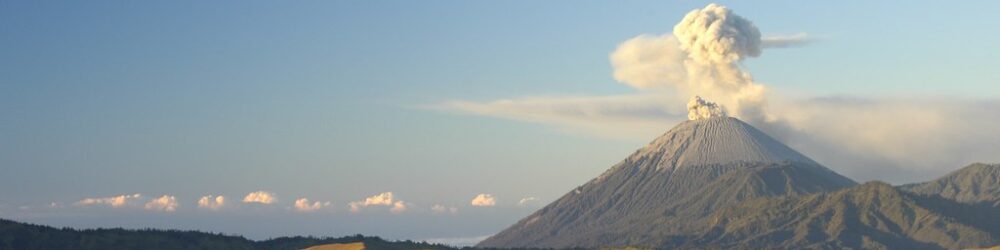

Mount Apo Volcano Trekking Guide: Conquer the Philippines’ Highest Peak and Crater Lake
Mount Apo, the Philippines’ tallest mountain and a dormant complex volcano, offers a demanding multi-day trek through diverse volcanic landscapes, mossy forests, and a crater lake. This guide covers geology, trekking routes, permits, safety, and cultural significance for adventurers seeking a challenging volcano ascent in Mindanao.
Quick Volcano Snapshot
| Volcano type | Complex volcano |
|---|---|
| Elevation | 2,954 meters (9,692 feet) |
| Location | Mindanao, Philippines (Davao City, Davao del Sur, Cotabato) |
| Activity status | Dormant |
| Trekking difficulty | Demanding |
| Typical trek duration | 2 to 5 days |
| Altitude gain | Approximately 1,500 meters |
| Terrain type | Volcanic boulder fields, mossy forests, crater lake, ash slopes |
| Best season | March to May and November |
| Temperature range | 2°C to 10°C at summit |
| Permit requirement | Mandatory permits and registered local guides required |
The Experience of Hiking Mount Apo
Approaching Mount Apo, the highest peak in the Philippines, immerses you in a landscape of raw geological power. The trek begins in lush tropical forests that gradually give way to moss-draped slopes and volcanic boulder fields. The contrast between the vibrant biodiversity below and the barren, rugged summit plateau evokes a profound sense of nature’s extremes. Reaching the crater lake atop the flat-topped volcano is an emotional climax, where the silence is punctuated by steam vents and the scent of sulfur, a reminder of the mountain’s volcanic heart.
Mount Apo: Geological Background
Mount Apo is a complex stratovolcano formed by layers of andesitic to dacitic lava flows and volcanic ash. Its flat-topped summit features three peaks, with the southwest peak crowned by a 200-meter-wide crater lake. Though currently dormant, fumaroles and solfataric vents emit steam and sulfur gases, signaling residual volcanic activity. The mountain’s geology reveals a history of eruptions that shaped its rugged terrain, with volcanic minerals and sulfur deposits visible near the summit. This dynamic volcanic landscape offers a unique window into the Earth’s inner forces.
Terrain and Hiking Experience on Mount Apo
The trek to Mount Apo’s summit challenges hikers with varied terrain: steep volcanic boulder fields known as the Boulders, slippery mossy forests, and river crossings. The upper slopes demand careful scrambling over loose rocks and scree, while the mossy forest sections require endurance through damp, uneven trails. Altitude effects become noticeable above 2,000 meters, with cooler temperatures and thinner air. Wind chill near the summit adds to the challenge. The terrain’s diversity shapes a demanding but rewarding hiking experience.
What Makes the Mount Apo Trek Unique
Mount Apo stands out as the highest peak in the Philippines with a rare crater lake at its summit. The trek traverses diverse ecosystems from tropical rainforests to alpine mossy forests. The presence of steaming sulfur vents and solfataras near the summit adds volcanic intrigue. Culturally, the mountain is sacred to indigenous Lumad tribes, enriching the journey with spiritual significance. The chance to spot the critically endangered Philippine eagle and experience panoramic views of Mindanao’s mountain ranges further distinguishes this trek.
Summit and Crater Experience
Reaching Mount Apo’s summit reveals a vast crater rim with a tranquil crater lake nestled within. The air is crisp and carries the faint sulfurous aroma from fumaroles. Steam vents hiss softly, and the ground radiates residual heat. From the summit, panoramic vistas stretch across Mindanao’s rugged landscape, with distant mountain peaks and valleys unfolding beneath a sea of clouds. The sensory blend of sight, sound, and smell creates a profound connection to the mountain’s volcanic essence.
Best Time to Trek Mount Apo
The ideal trekking season for Mount Apo is during the dry months from March to May and November. These periods offer clearer skies, stable weather, and safer trail conditions. The mountain is typically closed from June to August for rehabilitation and during the rainy season when trails become slippery and river crossings hazardous. Early morning summit attempts are favored to avoid afternoon winds and to witness spectacular sunrises above the clouds.
Trekking Routes and Trail Options
Mount Apo offers several trails varying in difficulty and duration. The Kidapawan Trail is the easiest and shortest, taking about 2 days with gradual elevation gain and rich mossy forests. The Sibulan and Kapatagan Trails require 3 days and feature boulder fields and river crossings. The Mt. Talomo Trail is the most demanding, spanning 4 to 5 days through remote areas. Most routes require registered local guides and permits, with options for guided or self-guided treks depending on arrangements.
Difficulty Assessment
Mount Apo is classified as a demanding volcano trek. The terrain includes steep volcanic boulder fields, slippery mossy forests, and river crossings that require good balance and endurance. Altitude gain of over 1,500 meters and summit temperatures dropping to near freezing add to the challenge. While technical climbing gear is not necessary, hikers should be physically fit and experienced in multi-day mountain trekking. This is not a beginner volcano trek.
Essential Volcano Trekking Gear
Key gear for Mount Apo includes sturdy hiking boots with good grip for boulders and slippery trails, trekking poles for stability, and gaiters to protect against volcanic ash and mud. A windproof and waterproof jacket is essential for summit winds and rain. Carry a headlamp for early starts, a hydration system with at least 3 liters capacity, and sun protection including hat and sunscreen. A gas mask or respirator is generally not required but useful near sulfur vents for sensitive individuals.
Safety and Volcanic Hazards
Though dormant, Mount Apo’s fumaroles emit sulfurous gases that can irritate the eyes and lungs. Stay on marked trails to avoid unstable crater edges and loose scree. Falling rocks are possible in boulder fields, so caution is advised. Sudden weather changes can bring cold temperatures and rain, increasing hypothermia risk. Always check volcanic activity updates from local authorities and respect park regulations. Carry a first aid kit and be prepared for altitude effects.
Permits, Guides, and Logistics
Permits are mandatory and must be secured from the Local Government Units (LGUs) managing the trails, such as Digos, Sta. Cruz, or Kidapawan. A registered local guide is required for all climbs. Booking permits and guides should be done 1-2 months in advance, especially during peak season. A recent medical certificate is required for registration. The park enforces a daily climber quota to protect the environment. No walk-ins are allowed.
Where to Stay Near Mount Apo
Accommodations near Mount Apo include lodges, guesthouses, and eco-camps in Davao City, Digos, and Kidapawan. Many trekkers stay in Davao City for easy access to trailheads and airport connections. Closer to trailheads, basic mountain lodges and campsites provide resting points before and after the trek. Booking in advance is recommended during peak climbing seasons.