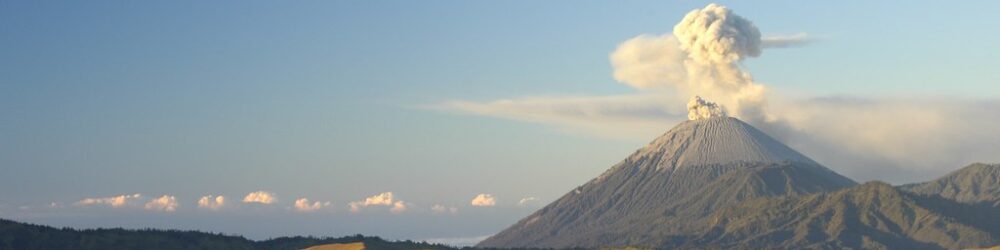

Mount Agung Volcano Trekking Guide: Conquer Bali’s Highest Active Stratovolcano
Mount Agung, Bali’s tallest and most sacred volcano, offers a demanding trek through steep volcanic terrain to a breathtaking crater summit. This guide covers geology, routes, safety, cultural significance, and preparation for an unforgettable volcano hiking adventure.
Quick Volcano Snapshot
| Volcano type | Stratovolcano |
|---|---|
| Elevation | 3,031 meters |
| Location | Bali, Indonesia |
| Activity status | Active |
| Trekking difficulty | Demanding |
| Typical trek duration | 4 to 8 hours |
| Altitude gain | Approximately 1,500 meters |
| Terrain type | Volcanic ash slopes, lava rock, jungle trails |
| Best season | April to September (dry season) |
| Temperature range | 10°C to 30°C |
| Permit requirement | Local permit and licensed guide required |
The Experience of Hiking Mount Agung
Mount Agung stands as Bali’s highest and most revered volcano, offering a trek that is both physically challenging and spiritually enriching. The journey begins amid lush rice terraces and sacred temples, gradually transitioning into stark volcanic landscapes. As you ascend, the air grows thinner and the terrain more rugged, with steep ash slopes and jagged lava rocks demanding careful footing. The climb culminates at the crater rim, where panoramic views and the mountain’s sacred atmosphere create an unforgettable experience.
Mount Agung: Geological Background
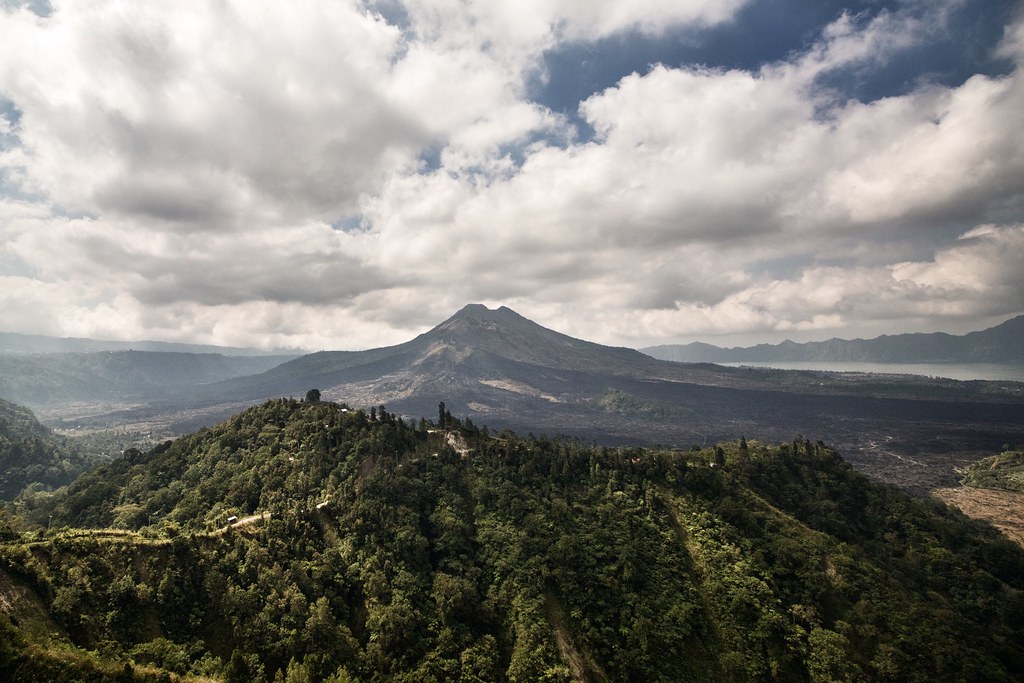
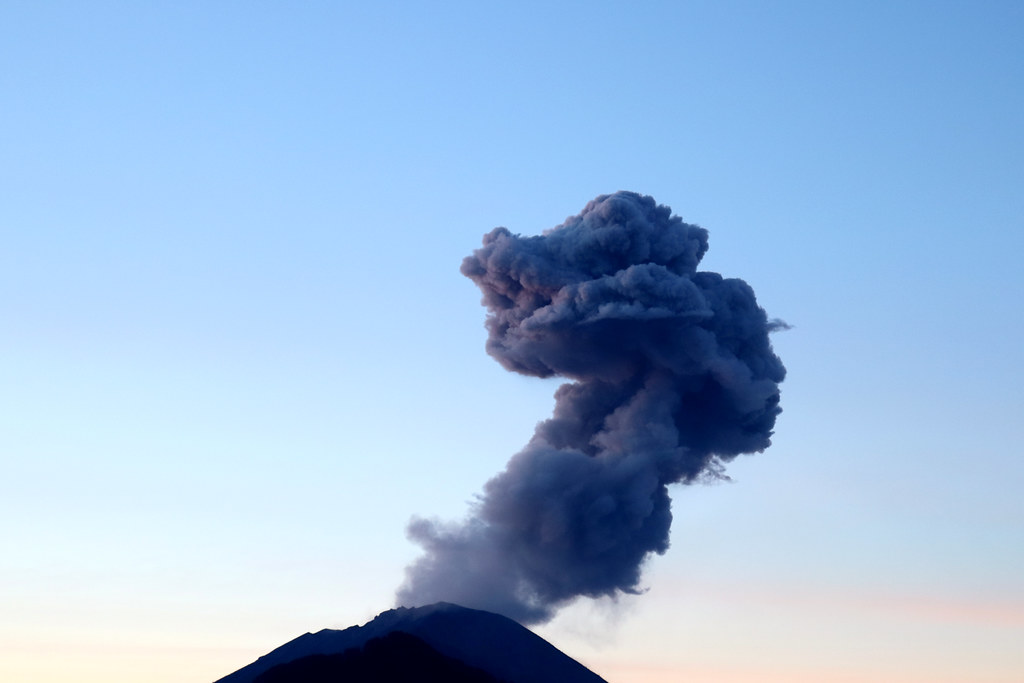
Mount Agung is a classic stratovolcano formed by successive layers of lava, ash, and volcanic debris. It is part of the Pacific Ring of Fire, where tectonic activity fuels frequent eruptions. The volcano’s most notable eruption in 1963 caused widespread devastation and reshaped the surrounding landscape. Its crater is a steaming caldera with active fumaroles releasing sulfurous gases. The terrain features solidified basalt and andesite lava flows, reflecting its dynamic volcanic history.
Terrain and Hiking Experience on Mount Agung
The trek starts through dense tropical jungle and passes sacred temple grounds before reaching steep volcanic ash slopes. Hikers face loose pumice, sharp lava rocks, and exposed ridges that test balance and stamina. The altitude gain of about 1,500 meters intensifies physical exertion and breathing difficulty. Temperatures vary from warm and humid at lower elevations to cold and windy near the summit. The rugged terrain requires steady pacing and occasional scrambling over volcanic boulders.
What Makes the Mount Agung Trek Unique
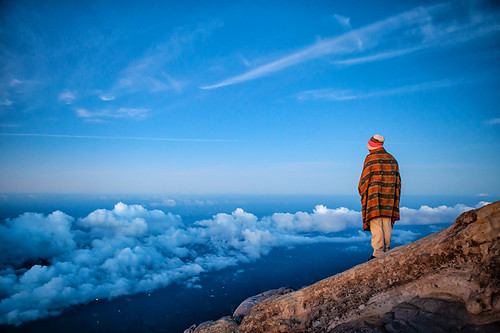
Mount Agung’s trek is distinguished by its combination of raw volcanic power and profound spiritual significance. Known as Bali’s ‘navel of the world’ in Hindu belief, the mountain is home to sacred temples such as Besakih, enriching the trek with cultural depth. The active crater’s steaming fumaroles and sulfur vents offer a rare glimpse into volcanic activity. The sunrise summit views above a sea of clouds, overlooking Bali and neighboring Lombok, provide a breathtaking reward for climbers.
Summit and Crater Experience
At the summit, hikers encounter a vast crater rim emitting steam and sulfurous gases. The ground near fumaroles radiates heat, and the sound of escaping volcanic gases adds to the atmosphere. Panoramic views extend across Bali’s volcanic peaks, lush valleys, and the distant ocean. Sunrise casts golden light over the landscape, highlighting the island’s geological grandeur. The summit is also a place of spiritual reverence, often marked by offerings and prayers from local pilgrims.
Best Time to Trek Mount Agung
The optimal trekking season is during Bali’s dry months from April to September, when trails are stable and weather conditions are favorable. Early morning starts before dawn are common to reach the summit for sunrise. Volcanic activity can lead to temporary closures, so monitoring updates from Indonesian authorities is essential. The rainy season from October to March brings slippery trails and increased landslide risk and should be avoided. Always check current volcanic alert levels before planning your trek.
Trekking Routes and Trail Options
Mount Agung offers two primary ascent routes: the Pasar Agung Temple route and the Besakih Temple route. The Pasar Agung route is shorter and steeper, typically taking 4 to 7 hours, favored by experienced hikers seeking a direct climb. The Besakih route is longer with a gentler incline, taking about 8 hours, and includes cultural stops and diverse scenery. Both routes require hiring a licensed local guide due to safety regulations and volcanic hazards. Trail conditions vary, featuring rocky and ash-covered sections.
Difficulty Assessment
Mount Agung is classified as a demanding trek. Steep slopes, loose volcanic ash, and rocky scrambling sections require good physical fitness and surefootedness. Altitude effects above 2,000 meters can cause breathlessness and fatigue. While technical mountaineering skills are not necessary, the trek demands stamina, acclimatization, and mental resilience. It is unsuitable for beginners or those with limited hiking experience.
Essential Volcano Trekking Gear
Recommended gear includes sturdy hiking boots with strong grip, trekking poles for stability on loose ash, and gaiters to prevent volcanic debris from entering boots. A windproof and waterproof jacket is essential for summit winds and possible rain. Headlamps are necessary for pre-dawn starts. Carry ample water and high-energy snacks. A gas mask or respirator is advised during periods of volcanic gas emissions. Sun protection such as a hat, sunglasses, and sunscreen is vital due to limited shade. Layered clothing helps manage temperature fluctuations.
Safety and Volcanic Hazards
Mount Agung’s active status presents risks including sudden eruptions, toxic gases, unstable crater edges, and falling rocks. Indonesian authorities enforce exclusion zones and closely monitor seismic activity. Hikers must adhere to official warnings and only climb with licensed guides. Respiratory protection may be required during ash emissions. Rapid weather changes can increase hazards on steep slopes. Following all safety protocols is critical to minimize risk.
Permits, Guides, and Logistics
Climbing Mount Agung requires hiring a local licensed guide; solo trekking is prohibited and illegal. Permits are managed locally and often included in guided tour packages. Guides provide navigation, safety oversight, and cultural insights. Park entry fees apply. Seasonal closures occur during heightened volcanic activity or religious ceremonies. Booking in advance is recommended, especially during peak trekking season.
Where to Stay Near Mount Agung
Accommodation options include homestays and guesthouses in villages such as Selat and Besakih, as well as eco-lodges closer to trailheads. Towns like Ubud and Karangasem offer more amenities and are within a 1.5 to 2-hour drive. Staying near the base temples allows for early summit starts. Some trekking operators provide camping options for multi-day experiences. Choosing local stays supports community-based tourism and enriches the cultural experience.

