
Climbing Villarrica Volcano: The Ultimate Guide to Trekking Chile’s Active Lava Giant
Villarrica Volcano in Chile’s Araucanía region offers a demanding yet unforgettable trek to one of the world’s few active lava lakes. This guide covers geology, terrain, routes, safety, gear, permits, and the unique thrill of standing at the edge of a bubbling crater.
Quick Volcano Snapshot
| Volcano type | Stratovolcano |
|---|---|
| Elevation | 2,847 meters (9,340 feet) |
| Location | Araucanía Region, Chile |
| Activity status | Active |
| Trekking difficulty | Demanding |
| Typical trek duration | 8–10 hours round trip |
| Altitude gain | Approx. 1,400 meters (4,593 feet) |
| Terrain type | Lava fields, ash slopes, snow and ice near summit |
| Best season | December to February (Southern Hemisphere summer) |
| Temperature range | -5°C to 15°C (23°F to 59°F) depending on altitude and season |
| Permit requirement | Mandatory guided ascent or accredited mountaineers with permits |
The Experience of Hiking Villarrica Volcano
Approaching Villarrica Volcano, the landscape shifts dramatically from lush forests to stark volcanic terrain. The towering cone looms with raw geological power, its slopes scarred by lava flows and ash. Climbing upward, the air thins and the terrain becomes a mix of loose pumice and jagged lava rock. Reaching the crater rim, you confront the bubbling lava lake, a rare and mesmerizing sight. The smell of sulfur and the hiss of fumaroles create an intense sensory experience, leaving climbers with a profound connection to Earth’s fiery heart.
Villarrica Volcano: Geological Background
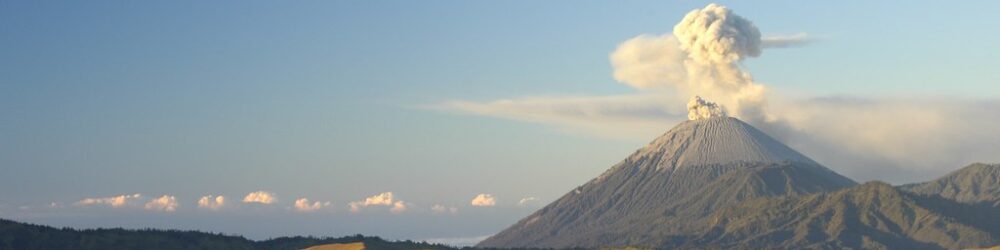
Villarrica is a classic stratovolcano formed by layers of hardened lava, ash, and volcanic debris. It rises 2,847 meters above sea level in Chile’s volcanic arc, shaped by subduction of the Nazca Plate beneath the South American Plate. Its large elliptical caldera spans over 6 kilometers. Villarrica is one of the few volcanoes worldwide with a persistent lava lake visible in its active crater. Frequent eruptions have shaped its steep slopes, depositing basaltic and andesitic lava flows. Sulfur deposits and fumaroles near the summit add to its dynamic geology, making it a living laboratory of volcanic activity.
Terrain and Hiking Experience on Villarrica
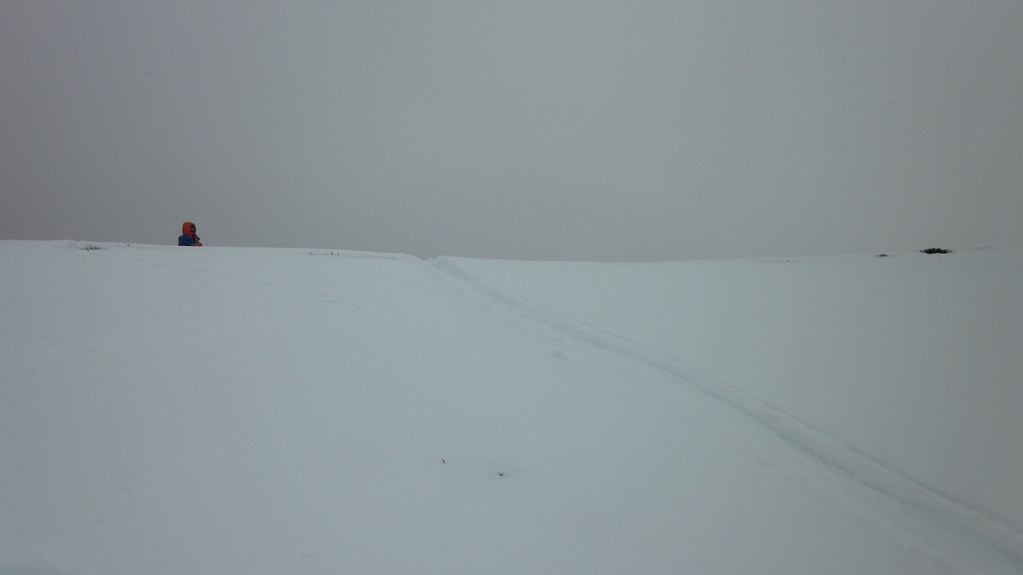
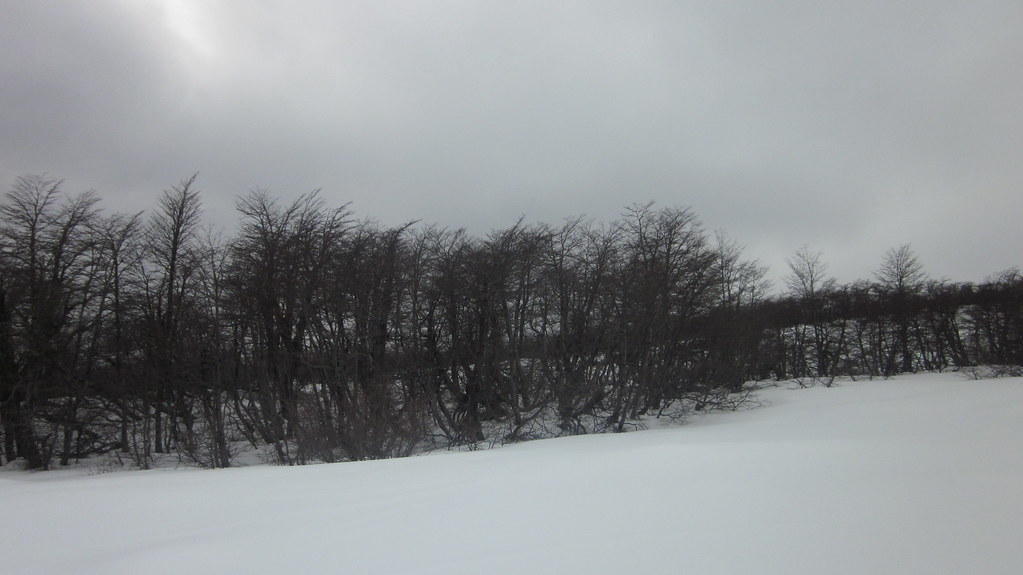
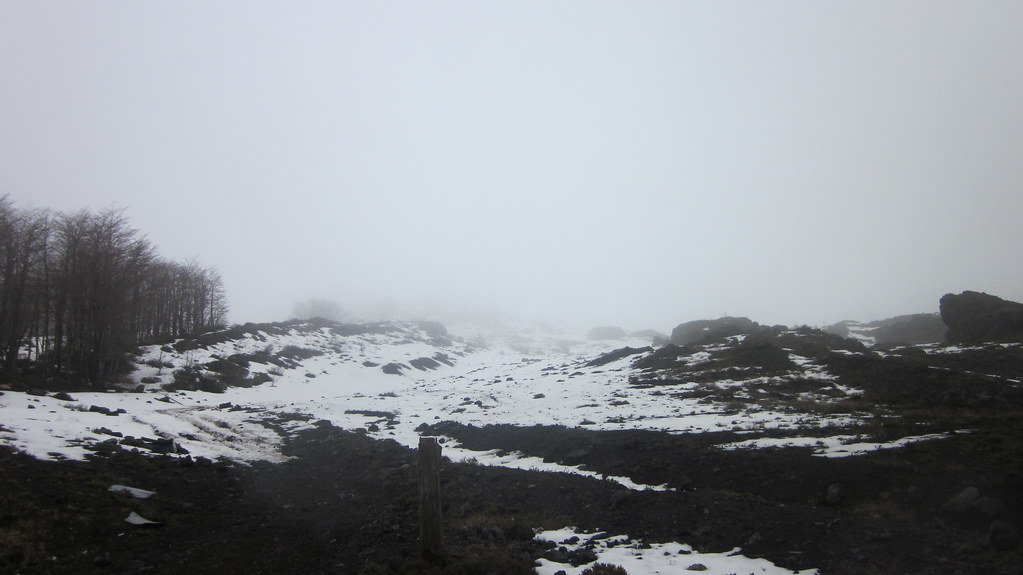
The trek begins through forested lower slopes before transitioning to volcanic ash and pumice fields. Ascent involves steep, loose scree slopes requiring careful footing. Near the summit, snow and ice fields demand crampons and ice axes for safe passage. Wind intensifies at higher altitudes, and temperature can drop sharply. The terrain’s mix of soft ash, sharp lava rock, and icy patches challenges hikers physically and technically. The volcanic gases near the crater require caution and sometimes the use of gas masks.
What Makes Villarrica Volcano Trek Unique
Villarrica’s active lava lake is a rare spectacle, offering trekkers a direct view into molten Earth. The combination of volcanic heat and glacial ice near the summit creates a striking contrast. The volcano’s accessibility from the vibrant town of Pucón allows for a blend of adventure and culture. The trek’s demanding nature and the ever-present volcanic activity add an edge of excitement and respect. Few volcanoes in South America offer such a visceral connection to ongoing geological processes.
Summit and Crater Experience
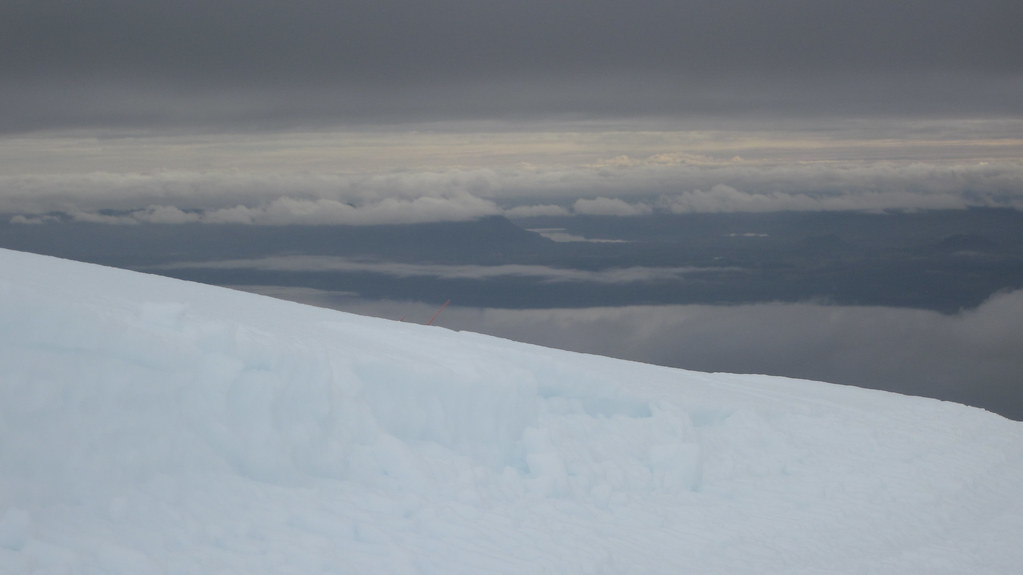
Standing at Villarrica’s summit, the panorama unfolds across the Andes and nearby lakes. The crater rim is edged with steaming fumaroles emitting sulfurous gases. The active lava lake churns below, glowing with fiery reds and oranges. The sulfur scent is pungent, and the heat radiates through the rocky ground. The sound of escaping gases punctuates the stillness. This sensory immersion into volcanic activity is both humbling and exhilarating, a rare moment to witness Earth’s molten core.
Best Time to Trek Villarrica Volcano
The prime climbing season is the Southern Hemisphere summer, from December to February, when weather is most stable and snow cover is reduced. Winter months bring heavy snow and ice, increasing technical difficulty and risk. Weather can change rapidly, with strong winds and volcanic gas emissions sometimes forcing cancellations. Early morning starts are common to avoid afternoon winds and to catch sunrise views. Monitoring volcanic activity is essential, as climbs are suspended during heightened alert levels.
Trekking Routes and Trail Options
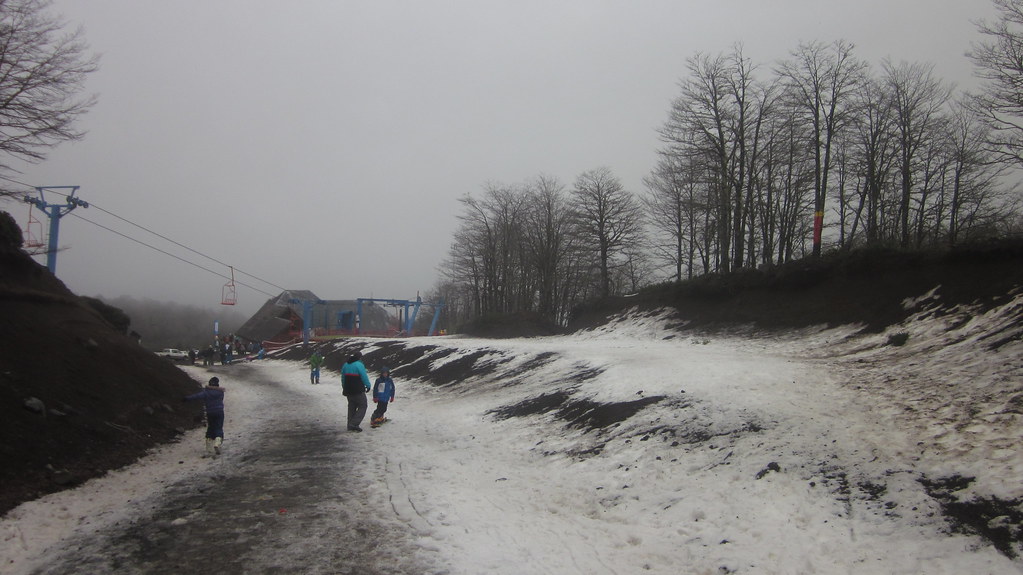
The standard ascent starts near the ski center at the volcano’s base, around 1,400 meters elevation. Climbers can opt to take a chairlift to save 1.5 hours and reduce altitude gain. The full hike covers 8–10 kilometers round trip with approximately 1,400 meters of elevation gain. Guided tours are mandatory for most visitors, providing technical gear and safety oversight. Experienced mountaineers with accreditation may climb independently with permits. The descent often includes sledding on volcanic scree or snow, adding a thrilling finish.
Difficulty Assessment
Villarrica is classified as a demanding volcano trek. The terrain requires good physical fitness, experience with steep scree and snow, and the ability to use crampons and ice axes. Altitude effects are moderate but noticeable. The climb is non-technical in terms of rock climbing but demands endurance and careful navigation of volcanic hazards. It is unsuitable for beginners and those with respiratory issues due to volcanic gases. Preparation and acclimatization improve chances of success.
Essential Volcano Trekking Gear
Key gear includes sturdy hiking boots with crampon compatibility, crampons, ice axe, helmet, harness, and a gas mask or respirator for sulfur fumes. Layered clothing with moisture-wicking base layers, insulating mid-layers, and windproof outer shells is vital. Trekking poles aid balance on loose terrain. Sunglasses with UV protection and sunscreen are necessary due to high altitude exposure. Headlamps are recommended for early starts. Hydration systems and high-energy snacks support endurance.
Safety and Volcanic Hazards
Villarrica’s active status means risks include sudden eruptions, toxic gas emissions, unstable crater edges, and falling rocks. Climbers must heed official warnings and volcanic activity reports from Chile’s monitoring agencies. Guides provide gas masks and enforce safety protocols. Weather changes can bring hypothermia risk. Staying on marked trails and avoiding fumarole vents is critical. Emergency evacuation plans and communication devices are standard on guided climbs.
Permits, Guides, and Logistics
Since 2024, climbing Villarrica requires either a certified guide or proof of mountaineering experience with mandatory technical gear. Permits and park entrance tickets must be purchased in advance online. Guided tours include equipment rental, transport from Pucón, and insurance. Independent climbers must submit accreditation documents to park authorities. Seasonal closures occur during heightened volcanic activity. Booking early is advised due to high demand in summer months.
Where to Stay Near Villarrica Volcano
The town of Pucón, 25 kilometers from the volcano, is the main base for climbers. It offers a range of accommodations from hostels and eco-lodges to boutique hotels. Many tour operators provide transfers from Pucón to the volcano base. For early starts, some climbers stay in mountain refuges or camps near the ski center, though options are limited. Pucón’s vibrant tourism infrastructure supports gear rental, guides, and post-trek relaxation with local cuisine and craft beers.