
Hiking Mount Irazú: A Complete Volcano Trekking Guide to Costa Rica’s Highest Crater Lakes
Mount Irazú, Costa Rica’s tallest volcano, offers an accessible yet awe-inspiring trekking experience. This guide covers its geology, crater lakes, easy hiking routes, seasonal weather, safety tips, and nearby attractions for an unforgettable volcanic adventure.
Quick Volcano Snapshot
| Volcano type | Stratovolcano |
|---|---|
| Elevation | 3,432 meters (11,260 feet) |
| Location | Cartago Province, Costa Rica |
| Activity status | Dormant with fumarolic activity |
| Trekking difficulty | Easy |
| Typical trek duration | 1 to 2 hours |
| Altitude gain | Approximately 28 meters |
| Terrain type | Volcanic ash, rocky outcrops, hardened lava fields |
| Best season | Dry season (December to April) |
| Temperature range | 5°C to 15°C (41°F to 59°F) |
| Permit requirement | Entrance ticket required for national park access |
The Experience of Hiking Mount Irazú
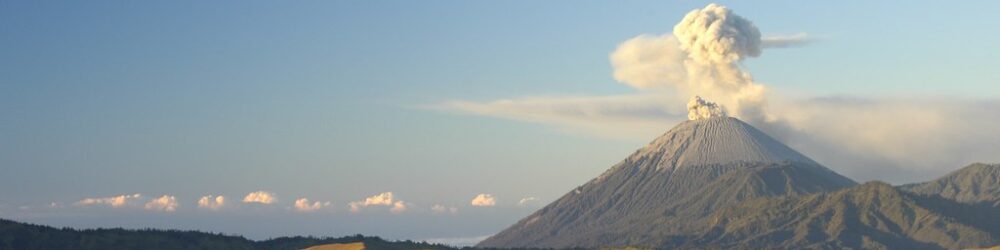
Approaching Mount Irazú, hikers encounter a stark, lunar-like landscape marked by vast craters and shimmering crater lakes. The air thins with elevation, enhancing the sensation of standing atop Costa Rica’s highest peak. The contrast between the barren volcanic slopes and the lush valleys below highlights the raw power of Earth’s geological forces. At the summit, panoramic views extend to both the Atlantic and Pacific Oceans, offering a breathtaking reward that connects visitors deeply to the planet’s dynamic nature.
Mount Irazú: Geological Background
Mount Irazú is a stratovolcano built from successive layers of lava and ash deposited over centuries. Its volcanic complex includes five large craters, with the main crater measuring nearly 1,050 meters wide and about 300 meters deep. Significant eruptions have occurred from 1723 through 1994, notably the 1963 eruption coinciding with President Kennedy’s visit. The volcano’s surface features fumaroles emitting sulfurous gases, colorful mineral deposits, and crater lakes whose colors shift with rainfall and volcanic activity, creating a dynamic and evolving geological landscape.
Terrain and Hiking Experience on Mount Irazú
The hiking trails around Mount Irazú’s crater area are short, well-maintained, and mostly paved, making them accessible to a wide range of visitors. The terrain consists of volcanic ash, rocky outcrops, and hardened lava fields, providing a surreal and otherworldly walking experience. Trails follow crater rims, offering close views of fumaroles and crater lakes. Despite the high altitude, the gentle elevation changes and minimal scrambling make the trek suitable for most fitness levels. Weather conditions can vary rapidly, with fog and wind adding to the dramatic atmosphere.
What Makes the Mount Irazú Trek Unique
Mount Irazú is unique as Costa Rica’s highest volcano accessible by vehicle, allowing visitors to reach the summit with relative ease. Its multiple crater lakes, including a striking turquoise lake visible during the rainy season, offer a rare volcanic spectacle. On clear days, hikers can see both the Atlantic and Pacific Oceans from the summit, a remarkable vantage point. The stark volcanic landscape combined with rich cultural history and proximity to urban centers creates a distinctive blend of natural wonder and accessibility.
The Summit and Crater Experience
At the summit, visitors encounter a vast crater rim with steaming fumaroles releasing sulfurous vapors that scent the air. The crater lakes display shifting colors, ranging from emerald green to deep turquoise, influenced by volcanic minerals and rainfall. Panoramic views include cloud-covered valleys and distant ocean horizons. Warm ground patches remind hikers of the volcano’s latent geothermal energy. This sensory combination of sight, smell, and sound creates a powerful moment of geological awe and connection.
Best Time to Trek Mount Irazú
The best time to visit Mount Irazú is during Costa Rica’s dry season, from December to April, when skies are clearer and trails are drier. Early mornings provide the best opportunity for unobstructed views before clouds and fog develop. The rainy season enhances the vibrant colors of crater lakes but brings fog, slippery paths, and reduced visibility. Volcanic activity is generally minimal, but visitors should check current conditions with park authorities before planning their trek. Avoiding weekends and holidays can help ensure a quieter experience.
Routes and Trail Options on Mount Irazú
The main route is a 1.9 km paved loop starting from the primary parking area, typically completed in about one hour. This trail leads to the main crater and several viewpoints, including Mirador de los Cráteres. For those seeking longer hikes, the Prusia Sector offers forested trails suitable for hiking and mountain biking, accessible with a separate entrance ticket. Most visitors choose self-guided walks, but guided tours are available, often combined with visits to nearby attractions such as the Orosi Valley and Cartago.
Difficulty Assessment of Mount Irazú Trek
Mount Irazú’s trek is rated easy due to its short distance, gentle elevation gain of approximately 28 meters, and well-maintained paths. The primary challenge is the high altitude, which may cause mild symptoms of altitude sickness in sensitive individuals. No technical climbing skills are required, making the trek accessible to families, casual hikers, and beginners. Proper acclimatization, hydration, and pacing help minimize altitude-related discomfort.
Essential Gear for Mount Irazú Volcano Trekking
Recommended gear includes sturdy hiking boots with good traction for volcanic terrain, layered clothing to accommodate temperature changes, and a windproof jacket. Sun protection such as hats and sunscreen is important due to high-altitude exposure. Carrying sufficient water and a hydration system is essential. Trekking poles can provide extra stability on uneven ground. A camera is highly recommended to capture the dramatic volcanic landscapes. While gas masks are generally unnecessary, visitors sensitive to sulfur fumes should take precautions near fumaroles.
Safety and Volcanic Hazards on Mount Irazú
Although currently dormant, Mount Irazú emits fumarolic gases that can irritate eyes and respiratory systems. Visitors should remain on marked trails to avoid unstable crater edges and loose volcanic scree. Sudden weather changes, including fog and strong winds, can reduce visibility and increase risk. The Costa Rican Volcanological and Seismological Observatory (OVSICORI) continuously monitors volcanic activity and issues alerts. Checking park advisories before visiting is essential for safety.
Permits, Guides, and Logistics for Visiting Mount Irazú
Access to Irazú Volcano National Park requires purchasing an entrance ticket, available online or at the park entrance. Guided tours are recommended for visitors seeking detailed geological insights and combined itineraries with nearby attractions. The park enforces safety regulations and may implement seasonal closures during periods of increased volcanic activity. The Craters Sector and Prusia Sector have separate access points and fees. Planning ahead ensures smooth logistics and a better overall experience.
Where to Stay Near Mount Irazú
Accommodation options near Mount Irazú include lodges and guesthouses in Cartago city, approximately 31 km from the volcano, and eco-lodges in the nearby Orosi Valley. San José, Costa Rica’s capital, offers a wider range of hotels and is about a 1.5-hour drive away. Staying near Cartago provides early access to the park and a quieter atmosphere. Shuttle services and guided tours often include hotel pickups, facilitating convenient transportation to the volcano.