
Mount Garibaldi Volcano Trekking Guide: Conquer British Columbia’s Glaciated Stratovolcano
Mount Garibaldi, a dormant stratovolcano in British Columbia’s Garibaldi Provincial Park, offers demanding alpine trekking across glaciers, volcanic rock, and alpine lakes. This comprehensive guide covers geology, terrain, routes, safety, permits, and the unforgettable summit experience.
Quick Volcano Snapshot
| Volcano type | Stratovolcano |
|---|---|
| Elevation | 2,678 m (8,786 ft) |
| Location | British Columbia, Canada |
| Activity status | Dormant |
| Trekking difficulty | Demanding |
| Typical trek duration | 1-2 days (multi-day camping recommended) |
| Altitude gain | Approx. 1,300-1,500 m depending on start point |
| Terrain type | Glaciers, volcanic rock, alpine lakes, snowfields |
| Best season | Late spring to early summer (May to July) |
| Temperature range | -5°C to 15°C (varies with season and altitude) |
| Permit requirement | Backcountry camping permits required; day-use passes on busy days |
The Experience of Hiking Mount Garibaldi
Approaching Mount Garibaldi, the towering stratovolcano dominates the horizon with its rugged, glaciated peaks piercing the sky. The landscape shifts dramatically from dense coastal forests to stark volcanic rock and shimmering alpine lakes. Trekking here immerses you in raw geological power, where ancient lava flows meet vast icefields. The climb challenges both body and spirit, culminating in a summit that rewards with sweeping views of the Pacific Ranges and the Sea-to-Sky corridor. The silence at the crater’s edge, punctuated by the hiss of glaciers and distant waterfalls, evokes a profound connection to Earth’s fiery past.

Mount Garibaldi: Geological Background
Mount Garibaldi is a dormant stratovolcano formed over the last 260,000 years through repeated volcanic eruptions producing mainly dacite lava. Its complex structure includes the main peak and sub-peaks like Atwell Peak and Dalton Dome, shaped by eruptions beneath ice sheets during the last glacial period. The mountain’s glaciers and snowfields, including the Garibaldi Névé, cloak its flanks, while volcanic features such as lava flows, fumaroles, and debris fans from ancient landslides reveal its dynamic history. Though inactive for about 10,000 years, Garibaldi’s volcanic legacy is etched into its rugged terrain and mineral-rich rocks.
Terrain and Hiking Experience on Mount Garibaldi
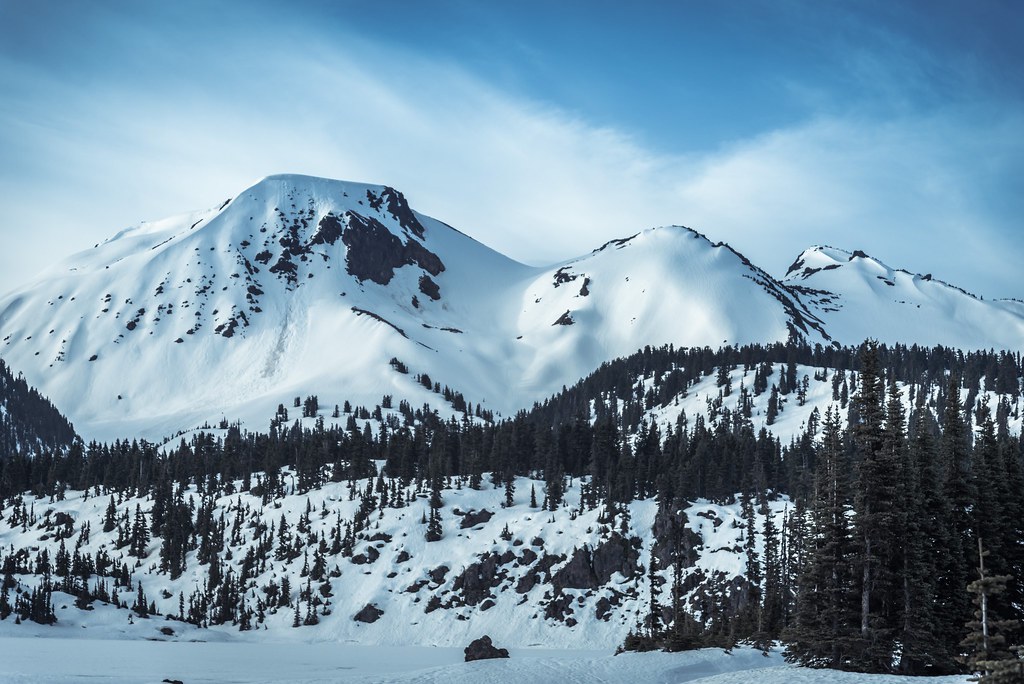
The trek to Mount Garibaldi’s summit traverses a mix of volcanic rock, steep snow slopes, and expansive glaciers. Hikers navigate loose scree and jagged lava fields before reaching the Warren and North Pitt Glaciers. The ascent involves steep snow climbs up to 45 degrees, often requiring crampons and ice axes. Weather and wind can shift rapidly, and altitude effects become noticeable near the summit. The terrain demands careful footwork and glacier travel skills, with exposed ridges offering both breathtaking views and technical challenges. The contrast between lush subalpine forests at lower elevations and the stark, icy summit zone defines the trek’s diverse character.
What Makes the Mount Garibaldi Trek Unique
Mount Garibaldi stands out for its dramatic combination of volcanic geology and alpine glaciers. Unlike many volcanoes, its summit is crowned by persistent glaciers and surrounded by pristine alpine lakes, creating a rare volcanic-glacial landscape. The presence of large bergschrunds and crevasses adds a mountaineering element to the trek. Its location near the Pacific coast means hikers experience a blend of coastal weather and rugged mountain conditions. The volcanic debris flows and landslide scars visible from the trail tell stories of past cataclysms, while the panoramic views of the Sea-to-Sky corridor reward every step.
Summit and Crater Experience on Mount Garibaldi
Reaching Mount Garibaldi’s summit is a sensory climax. The air thins and cools as you ascend steep snow slopes, with the glacier’s creaks and distant avalanches echoing around you. At the peak, the panoramic vista unfolds: jagged peaks, shimmering alpine lakes, and the vast Pacific Ranges stretching to the horizon. The crater itself is a rugged amphitheater of volcanic rock and ice, silent but for the whisper of wind and the occasional hiss of glacial meltwater. The scent of cold mountain air replaces sulfurous volcanic odors, a reminder of the volcano’s dormancy. This moment blends awe, relief, and a deep respect for the mountain’s ancient power.
Best Time to Trek Mount Garibaldi
The optimal season for climbing Mount Garibaldi is late spring to early summer (May through July), when snow conditions are stable and crevasses are often bridged by snow. Early season climbs reduce exposure to open crevasses and bergschrunds that develop later. Weather is generally more predictable, though sudden storms can occur. Summer ascents are possible but require advanced glacier travel skills due to exposed ice and open crevasses. Winter and fall treks are more technical and riskier due to avalanche danger and harsher weather. Always check current trail and glacier conditions before planning your trip.
Trekking Routes and Trail Options on Mount Garibaldi
The standard route ascends via the northeast face, starting from Brohm Ridge Forest Service Road. This approach involves a 4×4 road drive to about 1,380 meters, followed by a hike along subalpine ridges to a campsite near the Warren Glacier. From there, an alpine start leads to glacier travel and steep snow slopes to the summit. Alternative routes include longer approaches from Rubble Creek or Cheakamus trailheads, offering multi-day backpacking options through Garibaldi Provincial Park. Guided climbs are available and recommended for glacier navigation and crevasse rescue. Self-guided hikers must be well-prepared and experienced in alpine terrain.
Difficulty Assessment of Mount Garibaldi Trek
Mount Garibaldi is classified as a demanding volcano ascent requiring strong fitness, glacier travel skills, and mountaineering experience. The terrain includes steep snow slopes up to 45 degrees, crevassed glaciers, and loose volcanic rock. Technical equipment such as crampons, ice axes, and rope for glacier travel is essential. Altitude is moderate but can affect endurance. This trek is unsuitable for beginners and best attempted by those with prior alpine climbing experience or with professional guides. Weather and snow conditions greatly influence difficulty, making timing and preparation critical.
Essential Gear for Mount Garibaldi Volcano Trekking
Key gear includes sturdy hiking boots compatible with crampons, crampons and ice axe for glacier and snow travel, helmet for rockfall protection, harness and rope for glacier crevasse rescue, and trekking poles for stability. Volcanic ash gaiters protect against scree and loose rock. A windproof and waterproof jacket is vital against sudden weather changes. Headlamps are necessary for early summit starts. Gas masks are not required due to dormancy. Hydration systems and high-SPF sun protection are critical as the alpine environment offers little shade. Navigation tools and emergency communication devices enhance safety.
Safety and Volcanic Hazards on Mount Garibaldi
Though dormant, Mount Garibaldi’s main hazards are alpine and glacial rather than volcanic. Risks include crevasses, bergschrunds, unstable snow and ice slopes, rockfall, and sudden weather changes. The volcanic terrain features loose scree and steep debris slopes requiring caution. Volcanic gases are negligible due to dormancy. Emergency response is coordinated by Canadian volcanic monitoring agencies, but eruption risk is minimal. Hikers must carry avalanche safety gear in winter and be prepared for rapid weather shifts. Always inform others of your itinerary and check park alerts before departure.
Permits, Guides, and Logistics for Mount Garibaldi
Garibaldi Provincial Park requires backcountry camping permits for overnight stays and day-use passes on busy weekends and holidays during summer. Permits must be carried at all times. Guided climbs are highly recommended for glacier travel and safety. Access roads are forest service roads requiring high-clearance or 4×4 vehicles. Public transport is limited; carpooling or shuttle services like Parkbus operate seasonally. Reservations for campsites and permits should be made well in advance. Familiarize yourself with park regulations, wildlife precautions, and Leave No Trace principles.
Where to Stay Near Mount Garibaldi
Accommodation options include lodges and guesthouses in Squamish and Whistler, both within 1.5 to 2 hours’ drive from trailheads. For multi-day treks, camping at designated sites within Garibaldi Provincial Park is common, with popular spots near Warren Glacier and Elfin Lakes. The Elfin Lakes Hut offers winter shelter but requires booking. Squamish provides basic amenities and gear shops, while Whistler offers more extensive services and guided tour operators. Early arrival at trailheads is advised due to limited parking and high visitor numbers in peak season.