
Climbing Mount Cotopaxi: The Ultimate Technical Volcano Trekking Guide in Ecuador’s Andes
Mount Cotopaxi, one of the highest active stratovolcanoes in the world, offers a thrilling technical mountaineering experience in Ecuador’s Andes. This guide covers its geology, trekking routes, technical challenges, essential gear, safety tips, and logistics for adventurers seeking to summit this iconic 5,897-meter volcanic giant.
Quick Volcano Snapshot
| Volcano type | Stratovolcano |
|---|---|
| Elevation | 5,897 meters (19,347 feet) |
| Location | Cotopaxi National Park, Andes, Ecuador |
| Activity status | Active |
| Trekking difficulty | Technical mountaineering |
| Typical trek duration | 2 days (plus acclimatization) |
| Altitude gain | Approx. 1,100 meters from base refuge |
| Terrain type | Volcanic ash slopes, glacier, rock, snow |
| Best season | Dry season (June to September) |
| Temperature range | -10°C to 10°C (14°F to 50°F) depending on altitude and time |
| Permit requirement | Mandatory guided climb with official permits |
The Experience of Hiking Mount Cotopaxi
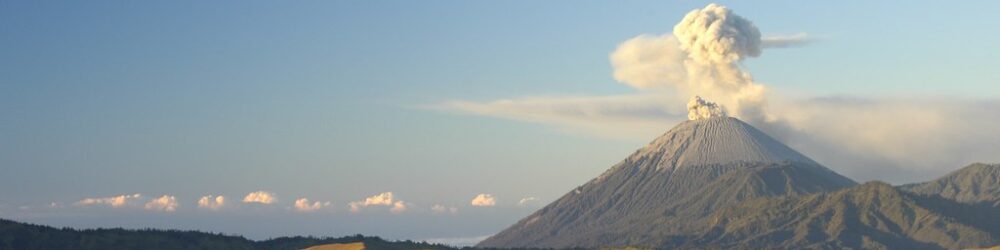
Approaching Mount Cotopaxi, its perfect symmetrical cone rises sharply against the Andean sky, a commanding presence of raw geological power. The burnt rust-colored volcanic slopes contrast starkly with the surrounding green highlands and the glacier that crowns its summit. As you ascend, the barren volcanic terrain shifts from loose ash to glacial ice, immersing you in a landscape shaped by fire and ice. Reaching the crater rim, the air thins and the earth’s heat whispers through fumaroles, while panoramic views of the Andes unfold beneath you. This climb is not just a trek but a profound encounter with one of Earth’s most dynamic volcanic giants.
Mount Cotopaxi: Geological Background
Cotopaxi is a towering stratovolcano formed by successive layers of lava, ash, and volcanic debris. It belongs to the Pacific Ring of Fire, a horseshoe-shaped chain of active volcanoes. Its formation began hundreds of thousands of years ago through powerful eruptions that built its iconic cone. Cotopaxi has erupted over 80 times in recorded history, with notable eruptions shaping its crater and depositing fresh volcanic material. The summit hosts a glacier, one of the few equatorial glaciers worldwide, overlaying volcanic rock. Fumaroles and sulfur deposits near the crater emit steam and gases, revealing the volcano’s restless nature. This geological complexity offers trekkers a vivid lesson in volcanic processes.
Terrain and Hiking Experience on Cotopaxi
The trek begins with a hike to the Jose Rivas refuge at 4,800 meters, crossing volcanic ash slopes that can be loose and slippery. Above the refuge, the terrain becomes more technical with snowfields and glacier travel requiring crampons and ice axes. Climbers navigate crevasses and snow bridges, demanding careful footwork and acclimatization. The ascent involves steep, semi-vertical glacier slopes under often strong winds and rapidly changing temperatures. The volcanic ash and rock can be abrasive, while altitude effects intensify fatigue. This combination of volcanic and alpine terrain makes Cotopaxi a challenging yet rewarding climb.
What Makes the Cotopaxi Trek Unique
Cotopaxi’s uniqueness lies in its status as one of the highest active volcanoes on Earth with an equatorial glacier. Its near-perfect cone shape rivals Mount Fuji, towering over 5,800 meters. The climb blends volcanic adventure with alpine mountaineering, offering views of steaming fumaroles, sulfur deposits, and the vast Andean mountain range. The volcano’s activity adds an element of unpredictability and awe. The accessibility from Quito combined with the requirement of certified guides ensures a safe yet authentic experience. Few volcano treks combine technical glacier travel with such dramatic volcanic landscapes.
Summit and Crater Experience on Cotopaxi
Reaching Cotopaxi’s summit at dawn is a sensory climax. The thin air carries the faint sulfur scent from fumaroles near the crater rim. The ground radiates residual heat, and the sound of escaping volcanic gases punctuates the silence. From the summit, climbers gaze into a vast crater rimmed with jagged ice and volcanic rock. The panoramic vista stretches across the Andes, with neighboring volcanoes piercing the horizon. The sunrise bathes the landscape in golden light, revealing the raw power and beauty of this active giant. It’s a moment of triumph and profound connection to Earth’s fiery heart.
Best Time to Trek Mount Cotopaxi
The optimal climbing season is during Ecuador’s dry months from June to September, when skies are clearer and weather more stable. Outside this window, heavy rains and cloud cover increase risks of slippery terrain and poor visibility. Volcanic activity is monitored continuously; climbs are only permitted when the volcano is stable. Summit attempts typically start around midnight to reach the peak by sunrise, avoiding afternoon glacier instability. Acclimatization hikes prior to the summit day are essential to mitigate altitude sickness. Seasonal hazards include sudden storms, high winds, and volcanic gas emissions.
Routes and Trail Options on Cotopaxi
The primary ascent routes start from the Jose Rivas refuge at 4,800 meters. Two main paths are the Yanasacha route and the Heartbreaker route. Guides select the safest route on summit day based on current conditions. Both routes involve glacier travel and technical climbing sections. The approach to the refuge is a moderate hike through volcanic terrain. Guided climbs are mandatory by Ecuadorian law, with a maximum of two climbers per certified mountain guide. The entire summit push takes approximately 6 to 7 hours, with a 3 to 4-hour descent. Acclimatization hikes on nearby volcanoes like Pasochoa or Corazon are recommended.
Difficulty Assessment of Cotopaxi Climb
Cotopaxi is classified as a technical mountaineering ascent requiring basic glacier skills. While it does not demand advanced climbing techniques, use of crampons, ice axes, and roped glacier travel is mandatory. The altitude of nearly 5,900 meters significantly increases physical demands and risk of altitude sickness. Climbers should be in excellent physical condition with prior high-altitude trekking experience. The terrain includes steep snow slopes, crevasses, and volcanic scree. This is not a beginner trek but accessible to fit adventurers with proper preparation and certified guides.
Essential Gear for Climbing Cotopaxi
Key gear includes mountaineering boots compatible with crampons, crampons, ice axe, helmet, harness, and rope for glacier travel. Trekking poles aid balance on loose volcanic ash. Layered clothing with windproof and insulated jackets is vital for cold summit conditions. Gloves, hats, and gaiters protect against snow and ash. A headlamp is essential for pre-dawn summit climbs. Sun protection is critical due to high UV exposure. Hydration systems and high-energy snacks support endurance. A gas mask is generally not required but check volcanic activity updates. Certified guides provide technical equipment and safety briefings.
Safety and Volcanic Hazards on Cotopaxi
Climbing an active volcano entails risks such as sudden eruptions, volcanic gas exposure, and unstable terrain. Ecuador’s geological agencies monitor Cotopaxi continuously and issue warnings. Climbers must adhere strictly to guide instructions and park regulations. Hazards include crevasses, falling rocks, loose scree, and altitude sickness. Weather can change rapidly, bringing storms and high winds. The refuge provides shelter but emergency evacuation plans should be in place. Only certified mountain guides with ASEGUIM accreditation are legally permitted to lead summit attempts, ensuring safety and compliance.
Permits, Guides, and Logistics for Cotopaxi
Climbing Cotopaxi requires official permits and mandatory accompaniment by ASEGUIM-certified mountain guides. Permits are obtained through authorized tour operators and national park authorities. The park limits two climbers per guide to ensure safety. Booking should be done at least four days in advance to process paperwork. The Jose Rivas refuge serves as the basecamp, accessible by vehicle from Quito. Guided expeditions include transport, equipment, and acclimatization advice. Seasonal closures occur during heightened volcanic activity. Compliance with regulations is strictly enforced to protect climbers and the environment.
Where to Stay Near Mount Cotopaxi
The Jose Rivas refuge at 4,800 meters is the primary base for summit attempts, offering dormitory-style accommodation and meals. Nearby towns such as Latacunga and Machachi provide hotels and guesthouses with easy access to the park entrance. Quito, 50 kilometers north, offers a wide range of lodging and acclimatization hikes on surrounding volcanoes. Eco-lodges and mountain hostels in the region cater to trekkers seeking comfort and proximity. Many guided tours include transfers and accommodation arrangements. Staying near the park facilitates early summit starts and acclimatization.