
Hiking Mount Arenal: The Ultimate Volcano Trekking Guide to Costa Rica’s Iconic Stratovolcano
Explore Mount Arenal, Costa Rica’s iconic active stratovolcano, through detailed hiking trails around its base. Discover volcanic geology, lush rainforest terrain, and practical trekking advice for a moderate-level adventure in Arenal Volcano National Park.
Quick Volcano Snapshot
| Volcano type | Stratovolcano |
|---|---|
| Elevation | 1,670 meters (5,476 feet) |
| Location | Arenal Volcano National Park, Alajuela, Costa Rica |
| Activity status | Active (resting phase since 2010) |
| Trekking difficulty | Moderate |
| Typical trek duration | 1.5 to 3 hours per trail |
| Altitude gain | Up to 300 meters on main trails |
| Terrain type | Lava fields, rainforest trails, volcanic rock |
| Best season | December to April (dry season) |
| Temperature range | 18°C to 28°C (64°F to 82°F) |
| Permit requirement | Park entrance fee required ($15 USD) |
The Experience of Hiking Mount Arenal
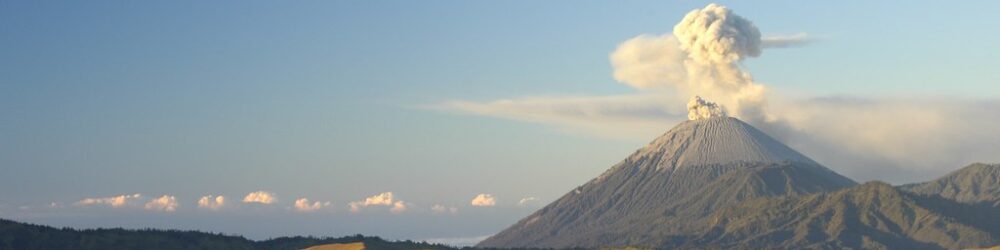
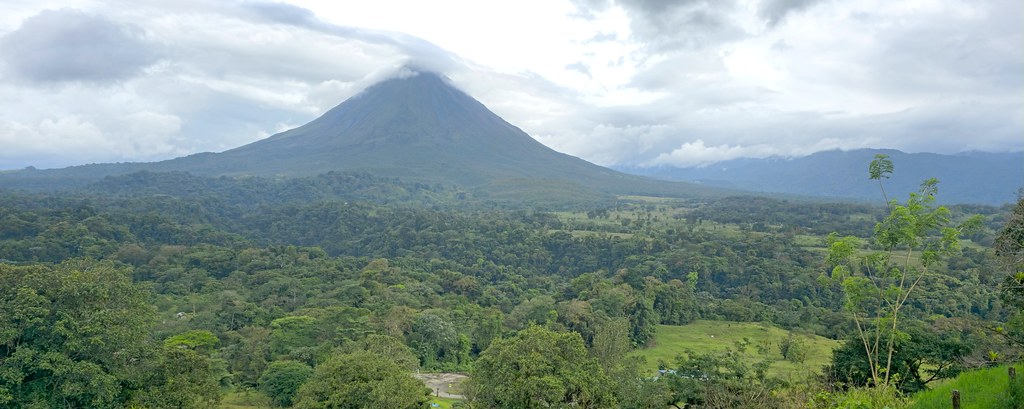
Approaching Mount Arenal, hikers are greeted by its perfect conical silhouette rising sharply above the lush Costa Rican rainforest. The landscape is a dramatic contrast of barren black lava flows and vibrant green canopy, a testament to the volcano’s fiery past and the resilience of nature. Trekking here immerses you in a world shaped by molten rock and tropical life, where every step reveals the raw power of Earth’s geology. The emotional crescendo builds as you reach viewpoints offering sweeping panoramas of the volcano’s slopes, Lake Arenal, and the surrounding cloud-kissed mountains.
Mount Arenal: Geological Background
Mount Arenal is a stratovolcano formed by layers of hardened lava, ash, and volcanic rock. It is relatively young, estimated to be less than 7,500 years old. Its most notable eruption began in 1968, lasting for over four decades with frequent lava flows and ash emissions until activity slowed in 2010. The volcano’s crater, about 140 meters wide, remains inaccessible due to ongoing seismic activity and unstable slopes. Around the volcano, fumaroles and sulfur deposits mark the volcanic processes beneath the surface. The surrounding lava fields from past eruptions create a rugged terrain interspersed with regenerating rainforest.
Terrain and Hiking Experience on Mount Arenal
Hiking trails around Mount Arenal traverse a mosaic of volcanic landscapes and dense rainforest. Expect walking over hardened lava rocks, loose volcanic gravel, and muddy forest paths, especially during the rainy season. Trails like Las Coladas wind through 1992 lava flows, offering rugged terrain with moderate elevation gain. The forest sections provide shade and opportunities to spot wildlife, while exposed lava fields challenge hikers with uneven footing. Winds can pick up near open viewpoints, and temperature shifts from warm lowlands to cooler mid-elevations add to the dynamic hiking experience.
What Makes the Mount Arenal Trek Unique
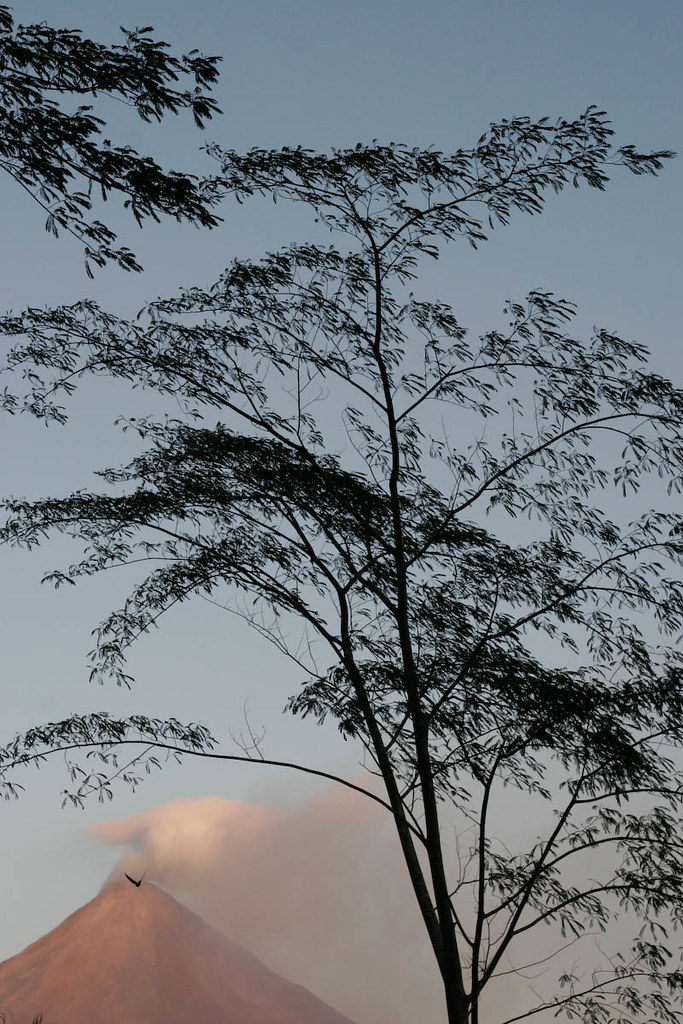
Mount Arenal’s trek is unique for its combination of an active volcanic landscape and rich biodiversity. Unlike many volcanoes, Arenal’s perfectly symmetrical cone and recent lava flows create a dramatic backdrop. The juxtaposition of steaming fumaroles, volcanic minerals, and thriving rainforest wildlife—including howler monkeys and toucans—makes this trek a rare blend of geology and ecology. Nearby natural hot springs heated by volcanic activity offer a soothing reward after hiking. The prohibition of summit access preserves the volcano’s raw power and adds a layer of mystique to the adventure.
The Summit and Crater Experience
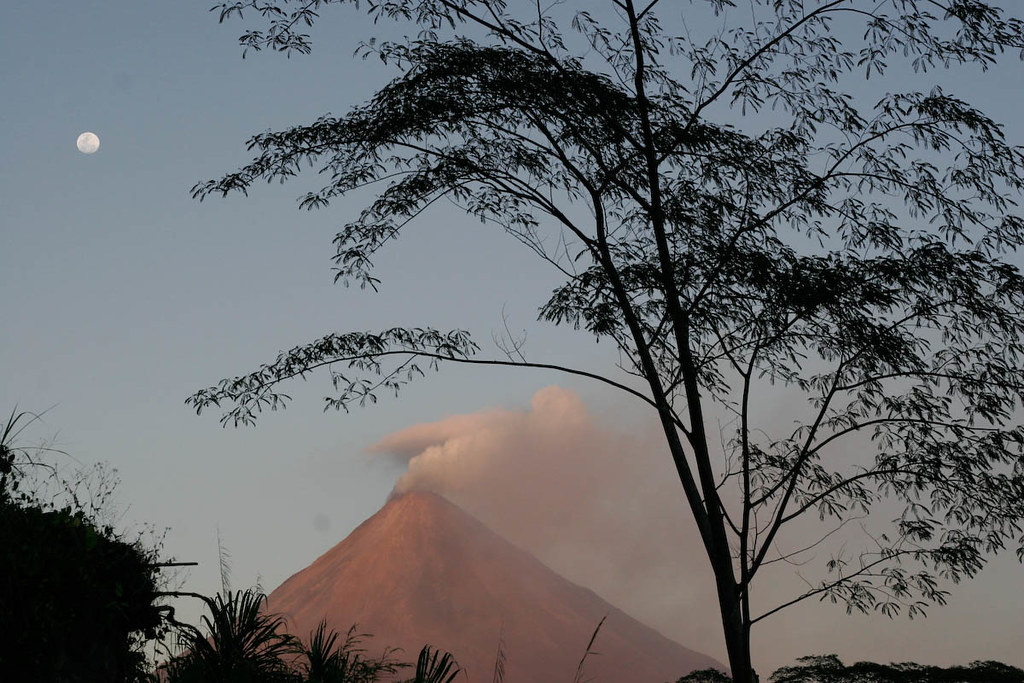
While climbing to Mount Arenal’s summit is prohibited for safety reasons, hikers can experience breathtaking crater views from designated lookout points around the base. These vantage points reveal the volcano’s steaming vents and rugged crater rim shrouded in mist. The air carries faint sulfur scents, and the ground vibrates subtly with residual volcanic energy. The panoramic vistas stretch over Lake Arenal and the surrounding highlands, offering a sensory encounter with the volcano’s enduring presence and geological drama.
Best Time to Trek Mount Arenal
The optimal trekking season is during Costa Rica’s dry months from December to April when trails are less muddy and visibility is highest. Early mornings between 6 and 8 AM provide the clearest views before clouds gather around the volcano. The green season (May to November) brings lush vegetation but also slippery trails and frequent afternoon rains. Volcanic activity is closely monitored, and summit access remains closed year-round. Planning hikes in the dry season maximizes safety and scenic enjoyment.
Trekking Routes and Trail Options
Mount Arenal offers several well-marked trails suitable for moderate hikers. The Las Coladas Trail (1.2 miles) passes through 1992 lava flows and offers spectacular volcano views. The El Ceibo Trail (1.9 miles) loops through dense forest featuring a giant Ceiba tree. The Arenal 1968 Trail (2.5 miles) commemorates the major eruption and traverses regenerating forest and lava fields. All trails start near the park’s main visitor center and take 1.5 to 3 hours to complete. Guided and self-guided options are available, with guides enhancing wildlife spotting and geological interpretation.
Difficulty Assessment
Mount Arenal’s hiking trails are classified as moderate volcano treks. Terrain includes uneven volcanic rock, loose scree, and forest paths with some elevation gain up to 300 meters. No technical climbing skills are required, but good fitness and sturdy footwear are essential. Altitude is moderate, minimizing severe effects. Trails are accessible to hikers with average experience but can be challenging during wet conditions. Summit climbing is prohibited, so all trekking stays within safer lower and mid slopes.
Essential Volcano Trekking Gear
Recommended gear includes sturdy hiking boots with good traction for volcanic rock and muddy trails, trekking poles for stability, and gaiters to keep volcanic ash and debris out of boots. A windproof and waterproof jacket is essential for sudden weather changes. Sun protection such as hats, sunglasses, and sunscreen is critical due to limited shade on lava fields. Carry at least 2 liters of water and snacks. A headlamp is useful for early morning starts. Binoculars enhance wildlife and landscape viewing. Gas masks are not required but be aware of occasional sulfur odors.
Safety and Volcanic Hazards
Safety is paramount when hiking near an active volcano like Arenal. Summit and upper slopes are closed due to unstable terrain, toxic gases, and risk of rockfall. Trails are monitored by park rangers enforcing strict access rules. Volcanic gases can be present but are generally low at trail levels. Sudden weather changes and slippery volcanic scree pose additional risks. Visitors should stay on marked trails, heed warnings, and avoid hiking alone. Emergency services and volcanic monitoring agencies maintain vigilance to ensure visitor safety.
Permits, Guides, and Logistics
Arenal Volcano National Park requires a $15 USD entrance fee payable at the visitor center. Summit access is strictly prohibited and enforced by park rangers. Guided tours are recommended for enhanced safety and educational value, with prices ranging from $65 to $85 USD. Self-guided hiking is permitted on designated trails. Seasonal closures are rare but possible due to volcanic activity or weather. Visitors should plan transportation and accommodations in La Fortuna, the nearest town, which serves as the gateway to the park.
Where to Stay Near Mount Arenal
La Fortuna offers a wide range of accommodations including eco-lodges, boutique hotels, hostels, and resorts with hot springs. Many lodgings provide shuttle services to the park entrance. For immersive experiences, volcano lodges near the park offer direct trail access and stunning views. Budget travelers can find guesthouses and hostels in town. Booking in advance is advised during peak season. Staying in La Fortuna also provides access to complementary activities such as canopy tours, waterfall hikes, and thermal baths.
