
Mount Elgon Volcano Trekking Guide: Exploring East Africa’s Largest Intact Caldera
Discover the adventure of trekking Mount Elgon, an extinct shield volcano straddling Uganda and Kenya. This guide covers its unique geological features, diverse terrain, trekking routes, and practical advice for an unforgettable volcano hiking experience.
Quick Volcano Snapshot
| Volcano type | Shield volcano |
|---|---|
| Elevation | 4,321 m (Wagagai Peak) |
| Location | Uganda/Kenya, Eastern Africa |
| Activity status | Extinct |
| Trekking difficulty | Moderate |
| Typical trek duration | 3-5 days |
| Altitude gain | Approx. 1,600 m on steepest routes |
| Terrain type | Montane forest, bamboo, heath, moorland, lava caves, caldera rim |
| Best season | June to August and December to March |
| Temperature range | 15°C to 23°C |
| Permit requirement | Required |
The Experience of Hiking Mount Elgon
Approaching Mount Elgon, the vast silhouette of East Africa’s largest intact caldera dominates the horizon. The trek unfolds through lush montane forests, bamboo thickets, and open moorlands, contrasting sharply with the rugged volcanic terrain. Each step brings a deeper connection to the mountain’s ancient volcanic power, culminating in the awe-inspiring sight of the expansive caldera and the summit’s panoramic views. The emotional crescendo of standing atop Wagagai Peak, surrounded by wild landscapes and the echoes of geological time, defines this unique hiking adventure.
Mount Elgon: Geological Background
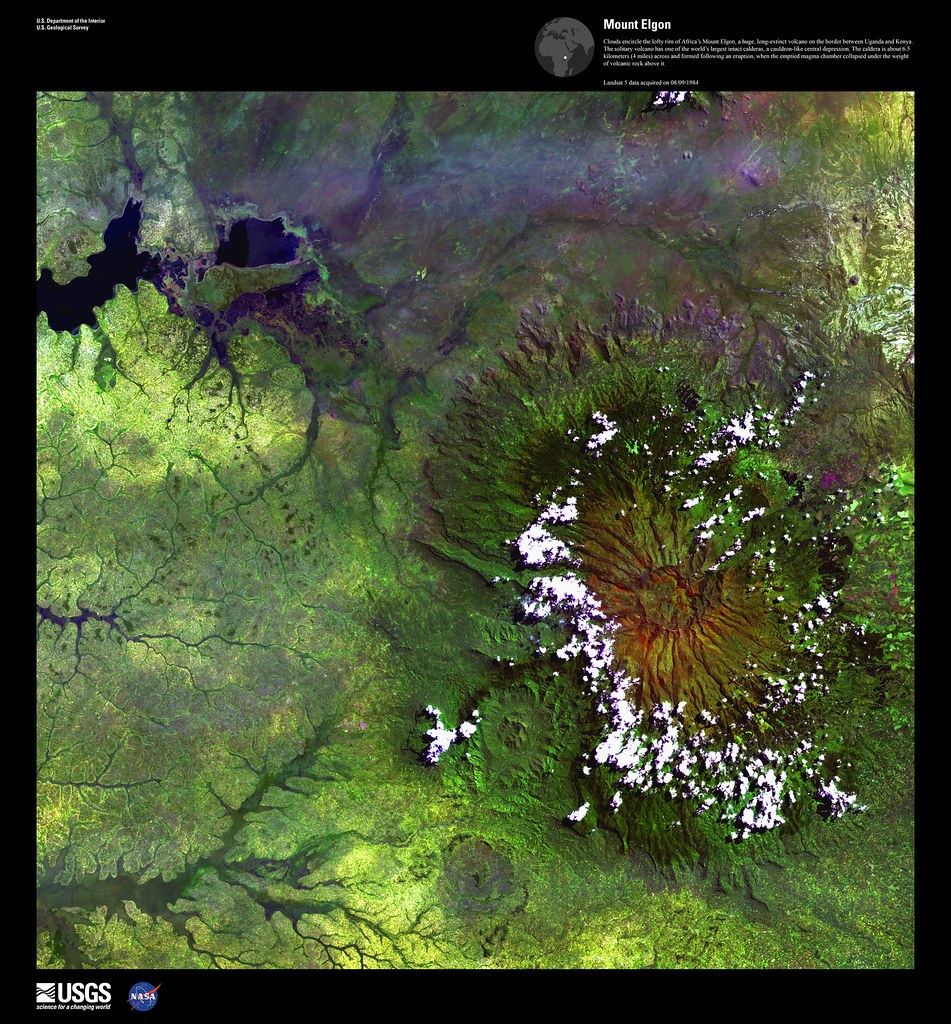
Mount Elgon is a massive shield volcano formed over 24 million years ago, now extinct. Its defining feature is the largest intact caldera in East Africa, spanning approximately 40 kilometers wide. The volcano’s gentle slopes are punctuated by rugged peaks and deep caves formed by ancient lava flows. Unique geological formations include extensive lava tubes like Kitum Cave, hot springs, and fumaroles that once marked volcanic activity. The mountain’s soils are rich in volcanic minerals, supporting diverse flora. This geological heritage offers a window into the Earth’s volcanic past.
Terrain and Hiking Experience on Mount Elgon
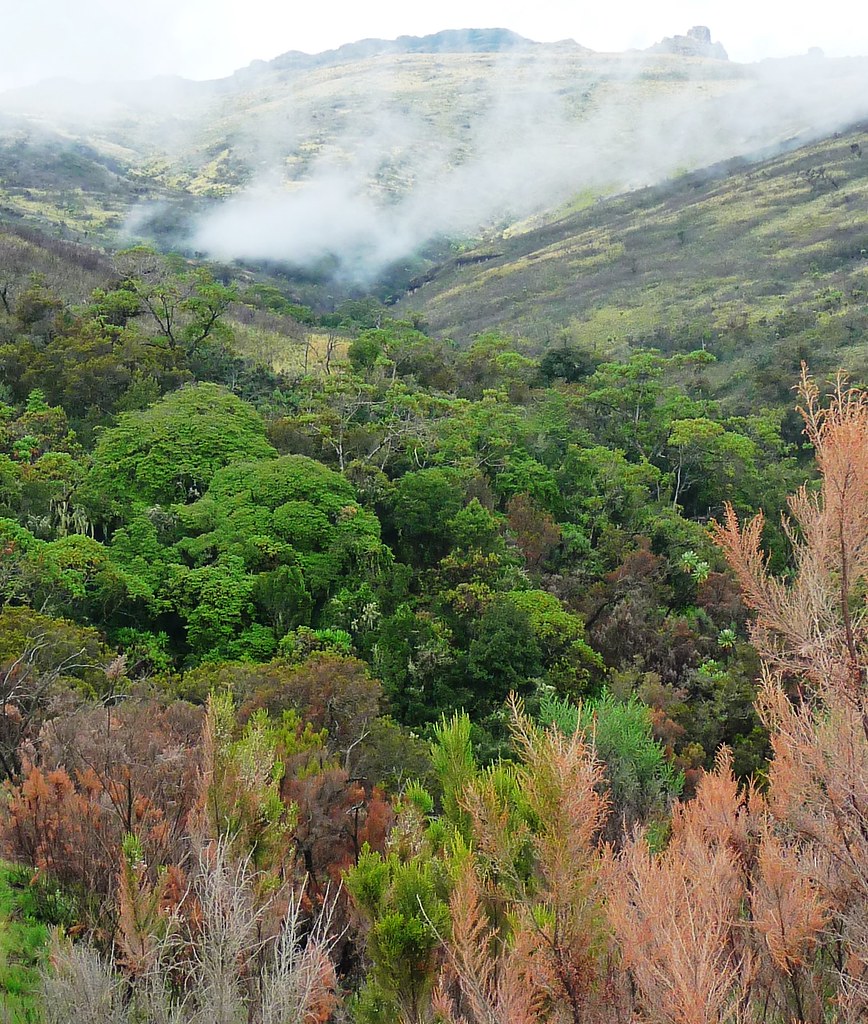
The trek traverses varied terrain: dense montane forests give way to bamboo zones, then to heath and afro-alpine moorlands. Trails range from steep ash and volcanic rock slopes to gentle ridges. Hikers encounter loose scree and rocky paths, with occasional scrambling near peaks. Altitude effects are moderate but noticeable, especially approaching Wagagai Peak at 4,321 meters. Winds intensify near the summit, and temperature shifts from cool forest shade to chilly open moorlands. The terrain’s diversity shapes a rewarding and immersive hiking experience.
What Makes Mount Elgon Trek Unique
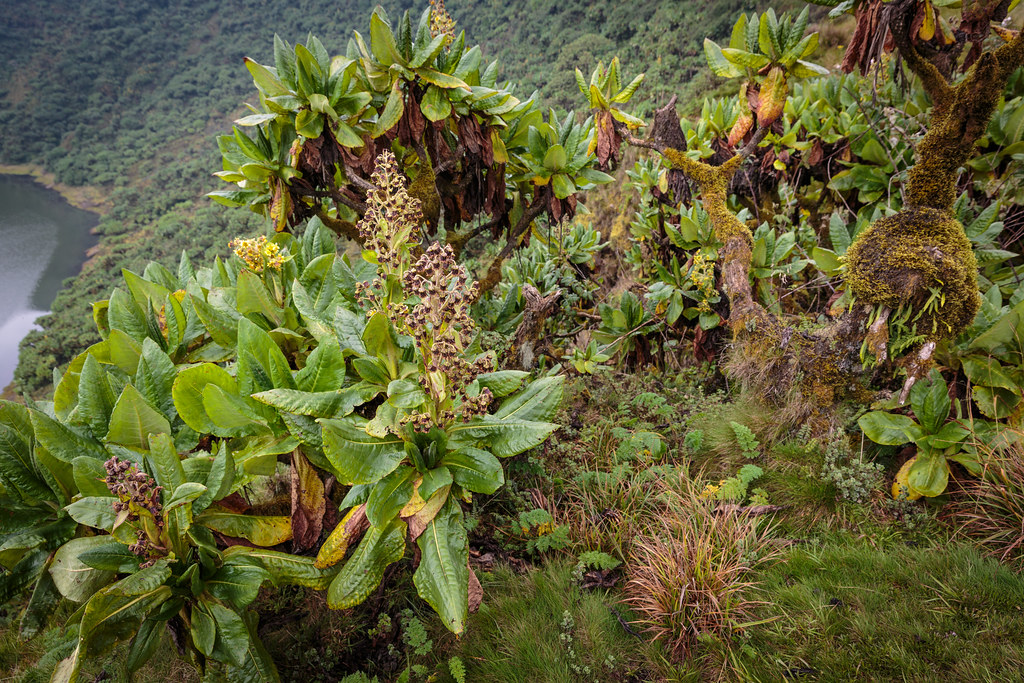
Mount Elgon’s claim to fame is its vast, intact caldera—the largest in East Africa—offering unparalleled volcanic landscapes. The mountain’s extensive cave systems, including Kitum Cave, harbor rare geological and biological wonders. The trek combines volcanic terrain with rich biodiversity, from giant lobelias and groundsels to diverse wildlife like elephants and primates. Cross-border trekking between Uganda and Kenya adds cultural depth. The presence of waterfalls, hot springs, and ancient cave paintings enriches the adventure beyond a typical volcano hike.
Summit and Caldera Rim Experience
Reaching Wagagai Peak reveals sweeping views over the caldera’s vast expanse and surrounding plains. The summit’s open moorland exposes hikers to brisk winds and a crisp atmosphere. The caldera rim’s rugged cliffs and caves invite exploration, while the scent of moist earth and distant forest mingles with the cool mountain air. The silence is profound, broken only by birdcalls and the rustle of wind. This sensory moment connects trekkers intimately with the mountain’s volcanic legacy and wild beauty.
Best Time to Trek Mount Elgon
The optimal trekking seasons are the dry months from June to August and December to March, offering stable weather and clearer trails. Rainfall is common from April to May and September to November, making paths slippery and increasing leech activity. Early morning starts are recommended to avoid afternoon showers and to enjoy cooler temperatures. Volcanic activity is extinct, so no eruption-related restrictions apply, but weather can change rapidly at altitude, requiring preparedness.
Trekking Routes and Trail Options
Three main trailheads serve Mount Elgon treks: Sasa Trail (Budadiri), Sipi Trail (Kapkwai), and Piswa Trail (Kapkwata). The Sasa Trail is the steepest and most direct, gaining about 1,600 meters on the first day and typically completed in 4 days. The Sipi Trail offers scenic waterfalls and caves with a more gradual ascent over 4-5 days. The Piswa Trail is longer with sweeping views and rich wildlife, suitable for 5-6 day treks. All routes require permits and guides are highly recommended for safety and navigation.
Difficulty Assessment
Mount Elgon is classified as a moderate volcano trek. It requires good fitness due to steep ascents and altitude but no technical climbing skills. Trails include steep sections, loose scree, and rocky paths demanding surefootedness. Altitude reaches over 4,300 meters, so acclimatization is advisable. The trek suits hikers with some endurance experience but is accessible to determined beginners with proper preparation and support.
Essential Volcano Trekking Gear
Key gear includes sturdy hiking boots with good grip for rocky and slippery terrain, trekking poles to aid balance on steep slopes, and gaiters to protect against volcanic ash and mud. A windproof jacket and layered clothing are essential for temperature shifts. A headlamp is useful for early starts or cave exploration. Sun protection—hat, sunglasses, and sunscreen—is critical due to high altitude exposure. Carry sufficient water and a hydration system. A basic first aid kit and insect repellent are recommended. Gas masks are not needed as the volcano is extinct.
Safety and Volcanic Hazards
Mount Elgon is extinct, eliminating eruption risks. However, hikers must remain cautious of unstable crater edges, loose scree, and falling rocks. Weather can change rapidly, causing cold and wet conditions. Wildlife encounters require respect and caution. Guides provide critical safety oversight and knowledge of terrain hazards. Park authorities monitor trail conditions and enforce regulations to protect visitors and the environment. Always follow official advice and avoid off-trail wandering.
Permits, Guides, and Logistics
Trekking Mount Elgon requires permits issued by Uganda Wildlife Authority or Kenya Wildlife Service depending on entry point. Hiring experienced local guides is mandatory and enhances safety and cultural insight. Porters are available to carry heavy gear. Entry fees vary; check current rates before travel. Seasonal closures may occur for conservation or weather reasons. Cross-border trekking involves customs procedures; plan accordingly. Booking through reputable operators ensures compliance with regulations and smooth logistics.
Where to Stay Near Mount Elgon
Accommodation options include basic campsites within the park at designated points along trekking routes. Nearby towns like Mbale and Sipi offer lodges and guesthouses ranging from budget to mid-range, with some providing views of waterfalls and the mountain. Sipi River Lodge and Mount Elgon Hotel are popular choices. Booking in advance is advised during peak seasons. Staying near trailheads like Budadiri or Kapkwai facilitates early starts and acclimatization.