
Trekking Mount Ailaoshan: Exploring Yunnan’s Dormant Stratovolcano and Biodiversity Haven
Mount Ailaoshan, a majestic dormant stratovolcano in Yunnan, China, offers moderate trekking routes through rich evergreen forests and volcanic landscapes. This guide covers its geological background, trekking terrain, unique biodiversity, practical logistics, and safety tips for an immersive volcano hiking adventure.
Quick Volcano Snapshot
| Volcano type | Dormant Stratovolcano |
|---|---|
| Elevation | 3,100 meters |
| Location | Yunnan Province, China |
| Activity status | Dormant |
| Trekking difficulty | Moderate |
| Typical trek duration | 1 to 3 days |
| Altitude gain | Up to 1,000 meters |
| Terrain type | Forested slopes, volcanic rock, terraced fields |
| Best season | November to April |
| Temperature range | Near freezing to mild temperatures |
| Permit requirement | No special volcanic permits; nature reserve access may require local permission |
The Experience of Hiking Mount Ailaoshan
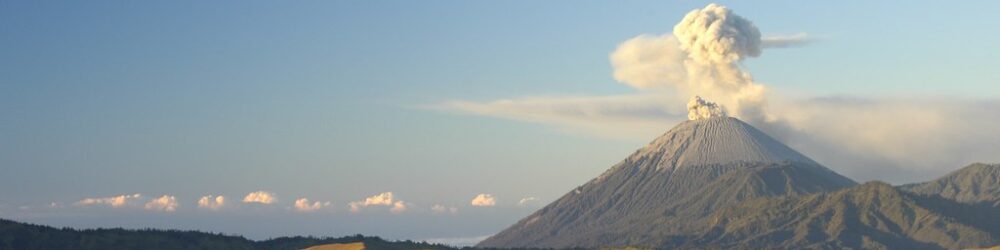
Mount Ailaoshan rises prominently with a pyramid-shaped peak covered in dense, ancient evergreen forests. Hikers journey through dramatic ridges and terraced fields carved into volcanic slopes. The air is fresh, scented with moss and wildflowers, creating a serene atmosphere. Trekking here is a passage through time and nature, where volcanic forces meet rich biodiversity. The summit rewards climbers with solitude and expansive views of misty mountains, embodying the silent strength of this dormant giant.
Geological Background of Mount Ailaoshan
Mount Ailaoshan is a classic stratovolcano formed during the Mesozoic Yanshan tectonic movement. Its cone-shaped massif reaches over 3,100 meters, further sculpted by Quaternary Himalayan uplift and river erosion. The mountain exposes ancient metamorphic rocks alongside volcanic deposits, reflecting its complex geological history. Though dormant, volcanic features remain visible in rugged ridges and fertile volcanic soils. The landscape includes terraced slopes and deep river valleys shaped by tectonic forces and erosion. No fumaroles or active vents are present, confirming its dormant status.
Terrain and Hiking Experience on Mount Ailaoshan
The trek covers steep forested slopes, volcanic rock outcrops, and terraced agricultural fields. Trails wind through thick subtropical evergreen broad-leaved forests, occasionally opening to panoramic views. Terrain varies from soft soil paths to rocky sections requiring careful footing. Altitude gain is moderate but steady, with steeper ascents near the summit. Hikers encounter shifting temperatures and occasional strong winds at higher elevations. The natural trail surface demands sturdy boots and good balance, while the forest canopy offers shade and shelter throughout the hike.
What Makes Mount Ailaoshan Trek Unique
Mount Ailaoshan is renowned for its exceptional biodiversity within a volcanic landscape. It shelters rare wildlife such as black-crested gibbons and green peacocks, earning it the nickname 'natural museum' of Yunnan. The trek uniquely combines volcanic geology with diverse ecological zones, ranging from subtropical forests to alpine meadows. The nearby ancient Tea Horse Road adds cultural and historical depth. Unlike many volcanic treks focused solely on lava fields or craters, Ailaoshan offers a harmonious blend of geological history and vibrant living ecosystems.
Summit and Crater Experience on Mount Ailaoshan
The summit of Mount Ailaoshan offers sweeping views over Yunnan’s mountain ranges and deep river valleys. The volcanic crater is subdued and covered by forest and moss rather than barren rock. The air is cool and crisp, carrying faint earthy aromas. There are no active fumaroles or sulfur smells, but the summit’s volcanic presence is tangible. The profound silence is broken only by bird calls and wind rustling through the trees. This serene atmosphere provides a contemplative and peaceful climax to the trek.
Best Time to Trek Mount Ailaoshan
The best time to trek Mount Ailaoshan is from November to April, when the weather is cool and dry. Summers bring monsoon rains that can make trails slippery and reduce visibility. Winter temperatures may drop near freezing at higher elevations but rarely produce snow. Early morning starts are advisable to avoid afternoon fog and to enjoy clear summit views. Due to the volcano’s dormant status, volcanic activity monitoring is unnecessary, but hikers should prepare for sudden weather changes typical of mountainous regions.
Trekking Routes and Trail Options on Mount Ailaoshan
Several moderate routes ascend Mount Ailaoshan, beginning from nearby villages such as Manwan and Nanhua. Treks typically last one to three days, covering 10 to 20 kilometers with up to 1,000 meters of elevation gain. Trails are well-marked but remote, with options for guided tours or self-guided hikes. Some routes intersect the ancient Tea Horse Road, offering cultural and historical interest. Lodges and campsites near trailheads provide flexible accommodation options for trekkers.
Difficulty Assessment of Mount Ailaoshan Trek
Mount Ailaoshan is rated as a moderate trek. The terrain requires good physical fitness due to steady elevation gain and uneven surfaces. No technical climbing skills are necessary, but hikers should be comfortable navigating forest trails and rocky paths. Altitude effects are mild but noticeable above 2,500 meters. This trek suits experienced hikers seeking a balance of natural beauty and manageable challenge without technical mountaineering demands.
Essential Volcano Trekking Gear for Mount Ailaoshan
Recommended gear includes sturdy hiking boots with strong grip for rocky and muddy terrain, trekking poles for stability, and gaiters to protect against underbrush. Layered clothing and a windproof jacket are essential for temperature fluctuations. Sun protection is important due to limited shade in some sections. Carry sufficient water, snacks, and a headlamp for early starts or late finishes. Gas masks are unnecessary given the dormant status and absence of volcanic gases.
Safety and Volcanic Hazards on Mount Ailaoshan
Mount Ailaoshan poses minimal volcanic hazards as a dormant volcano. Main risks include unstable trail sections, loose rocks, and sudden weather changes. Hikers should stay on marked paths to avoid erosion-prone areas. Wildlife encounters require caution but are generally safe. There is no active volcanic gas emission or eruption risk. Local authorities monitor environmental conditions, and no volcanic alerts are currently in place.
Permits, Guides, and Logistics for Mount Ailaoshan Trek
No special volcanic permits are required to trek Mount Ailaoshan, but visitors should verify local regulations for nature reserve access. Hiring local guides is recommended to enhance safety and cultural understanding. Guides can assist with transport, accommodation, and provide ecological insights. Trailheads are accessible by bus or car from nearby cities such as Kunming or Chuxiong. Planning ahead is advised during peak trekking seasons to secure accommodations and transport.
Where to Stay Near Mount Ailaoshan
Accommodation near Mount Ailaoshan includes mountain lodges, eco camps, and guesthouses in villages like Manwan and Nanhua. These provide convenient access to trailheads and local hospitality. For longer treks, camping is possible with proper equipment. Nearby towns offer additional amenities and cultural experiences before or after the trek, making them ideal bases for exploration.

