
Hiking Vulcano Volcano: The Ultimate Trekking Guide to Italy’s Sulfurous Aeolian Giant
Explore Vulcano, a complex active volcano in Italy’s Aeolian Islands, through this expert trekking guide. Discover its unique sulfur fumaroles, therapeutic mud baths, and dramatic volcanic landscapes. Learn about the geology, trekking routes, safety tips, and best seasons for an unforgettable volcano adventure.
Quick Volcano Snapshot
| Volcano type | Complex volcano |
|---|---|
| Elevation | 499 meters |
| Location | Aeolian Islands, Italy |
| Activity status | Active (last eruption 1888–1890) |
| Trekking difficulty | Moderate |
| Typical trek duration | 3 to 5 hours |
| Altitude gain | Approximately 400 meters |
| Terrain type | Lava fields, ash slopes, rocky paths |
| Best season | April to October |
| Temperature range | 17°C to 28°C (63°F to 82°F) |
| Permit requirement | No permit required, guided hikes recommended |
The Experience of Hiking Vulcano
Approaching Vulcano, the air thickens with the scent of sulfur, and the landscape shifts into a raw, primeval scene. Jagged lava fields stretch beneath a sky often brushed with steam plumes from active fumaroles. The trail ascends through barren ash slopes, contrasting sharply with the lush Mediterranean vegetation below. Reaching the crater rim, hikers are met with a vast, steaming caldera, alive with geological energy. The sense of standing on a forge of the Earth, where myth and science collide, is both humbling and exhilarating.

Vulcano’s Geological Story
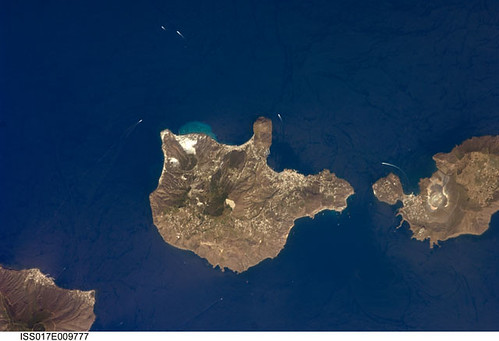
Vulcano is a complex volcano formed by the subduction of the African Plate beneath the Eurasian Plate. Its last major eruption between 1888 and 1890 gave rise to the term "Vulcanian eruptions," describing short, explosive volcanic activity worldwide. The volcano features multiple craters, with the Great Crater (La Fossa) being the most prominent. Sulfur fumaroles and mud baths mark the landscape, where volcanic gases escape through vents, depositing vivid yellow sulfur crystals. The terrain is a mosaic of hardened lava flows, ash deposits, and steaming vents, revealing the volcano’s restless nature.
Trekking Terrain and Hiking Experience
The hike to Vulcano’s crater rim involves traversing steep ash slopes and rugged lava rock paths. The ground can be loose and slippery, requiring careful footing. Ascent gradients vary but remain moderate, making the trek accessible to hikers with reasonable fitness. Winds near the summit can be strong and chilly, contrasting with warmer conditions at the base. The trail offers changing textures—from soft volcanic ash to jagged volcanic rock—challenging hikers to adapt their pace and balance. The sulfurous steam vents add an otherworldly atmosphere, but hikers should be mindful of the strong odors and occasional gas emissions.
What Makes Vulcano Trek Unique
Vulcano stands out for its active sulfur fumaroles and natural mud baths reputed for therapeutic properties. Unlike many volcano hikes, it combines geological spectacle with wellness tourism. The Great Crater’s steaming vents and vivid sulfur deposits create a surreal moonscape. The island’s mythology as the forge of the god Vulcan adds cultural depth. The proximity of volcanic thermal springs allows hikers to relax in warm mud baths after the trek, blending adventure with rejuvenation. This fusion of active geology and natural spa makes Vulcano a singular volcano trekking destination.
The Summit and Crater Experience
Reaching the summit, hikers stand on the rim of a vast crater over 500 meters wide. Steam hisses from fumaroles, carrying the sharp scent of sulfur. The ground beneath is warm, and occasional bursts of volcanic gas punctuate the silence with a low rumble. Views extend across the Aeolian archipelago and the Tyrrhenian Sea, framed by the rugged crater walls. The panorama is both stark and beautiful, a reminder of Earth’s fiery forces. The sensory mix of heat, smell, and sound creates an unforgettable moment of connection with the planet’s inner power.
Best Time to Trek Vulcano
The optimal trekking season runs from April to October, when weather conditions are mild and stable. Spring and early autumn offer pleasant temperatures between 17°C and 25°C, ideal for hiking. Summer months can be hotter, but the sea breeze often moderates the heat. Winter is generally avoided due to cooler temperatures and increased rainfall. Volcanic activity is monitored continuously; access to certain areas may be restricted during periods of increased gas emissions or seismic unrest. Early morning or late afternoon hikes provide cooler temperatures and dramatic lighting for photography.
Trekking Routes and Trail Options
The primary route begins at Vulcano Porto and ascends approximately 400 meters over 5.1 kilometers round-trip. This trail leads directly to the Great Crater rim and is considered moderately challenging. Guided tours are widely available and recommended for safety and interpretive insights. Alternative paths explore the Vulcanello peninsula, offering panoramic views and diverse volcanic formations. Most routes are well-marked but can be rocky and steep in sections. Self-guided hikers should prepare adequately and check current volcanic activity reports before setting out.
Difficulty Assessment
Vulcano’s trek is classified as a moderate volcano trek. The terrain requires good balance on loose ash and rocky surfaces but does not demand technical climbing skills. Altitude is low enough to avoid significant altitude sickness risks. A reasonable level of fitness is necessary to manage the steady ascent and variable trail conditions. The hike is suitable for adventurous hikers comfortable with uneven terrain and occasional exposure to volcanic gases. Proper preparation and pacing ensure a rewarding experience without undue strain.
Essential Volcano Trekking Gear
Recommended gear includes sturdy hiking boots with excellent grip to handle loose ash and rocky paths. Trekking poles aid balance on steep or slippery sections. A windproof jacket is essential for summit winds. Carry sufficient water and sun protection, including a hat and sunscreen, as shade is minimal. A gas mask or respirator may be useful during periods of strong sulfur gas emissions. Headlamps are advised for early morning or late afternoon hikes. Lightweight layers allow adaptation to temperature changes. A small first aid kit and map or GPS device enhance safety.
Safety and Volcanic Hazards
Volcano hiking on Vulcano requires awareness of volcanic gases, particularly sulfur dioxide, which can irritate eyes and lungs. Avoid lingering near fumaroles and heed local warnings. Crater edges can be unstable; stay on marked trails and maintain safe distances. Loose scree and rocks increase slip and fall risks. While the volcano is currently dormant in terms of eruptions, sudden gas emissions or seismic activity can occur. Monitoring by Italian geological agencies provides real-time updates. Guided hikes enhance safety by ensuring adherence to regulations and emergency protocols.
Permits, Guides, and Logistics
No special permits are required to hike Vulcano, but guided tours are strongly recommended for safety and enriched experience. Local guides provide geological insights and monitor volcanic conditions. Park entry fees may apply for protected areas. Seasonal closures or access restrictions can be enforced based on volcanic activity. Booking tours in advance is advised, especially during peak seasons. Guides are knowledgeable about emergency procedures and help navigate the terrain safely. Self-guided hikers should register with local authorities and check current conditions.
Where to Stay Near Vulcano
Accommodation options include small guesthouses and eco-lodges in Vulcano Porto, close to the trailhead. Several volcano lodges offer comfortable stays with easy access to hiking routes and mud baths. Nearby Aeolian Islands provide additional lodging choices, accessible by ferry. For wellness seekers, resorts featuring thermal spas and mud bath facilities offer relaxing post-trek experiences. Booking early is recommended during high season. Staying near the trailhead allows early starts and maximizes time on the volcano.