
Trekking Stefanos Crater: Exploring Nisyros Volcano’s Active Caldera in Greece
Discover the unique experience of hiking into Stefanos Crater, the active volcanic heart of Nisyros island in Greece. This easy trek offers close encounters with fumaroles, sulfur vents, and steaming hydrothermal activity inside one of Europe’s youngest calderas. Explore geological wonders, local culture, and practical trekking advice for an unforgettable volcano adventure.
Quick Volcano Snapshot
| Volcano type | Caldera |
|---|---|
| Elevation | 698 meters |
| Location | Nisyros Island, Dodecanese Islands, Greece |
| Activity status | Active (last eruption ~1888) |
| Trekking difficulty | Easy |
| Typical trek duration | 1–2 hours |
| Altitude gain | Up to 300 meters |
| Terrain type | Volcanic ash slopes, pumice, rocky crater floor |
| Best season | Spring to early autumn (April to October) |
| Temperature range | 10°C to 30°C |
| Permit requirement | Small entrance fee required |
The Experience of Hiking Stefanos Crater
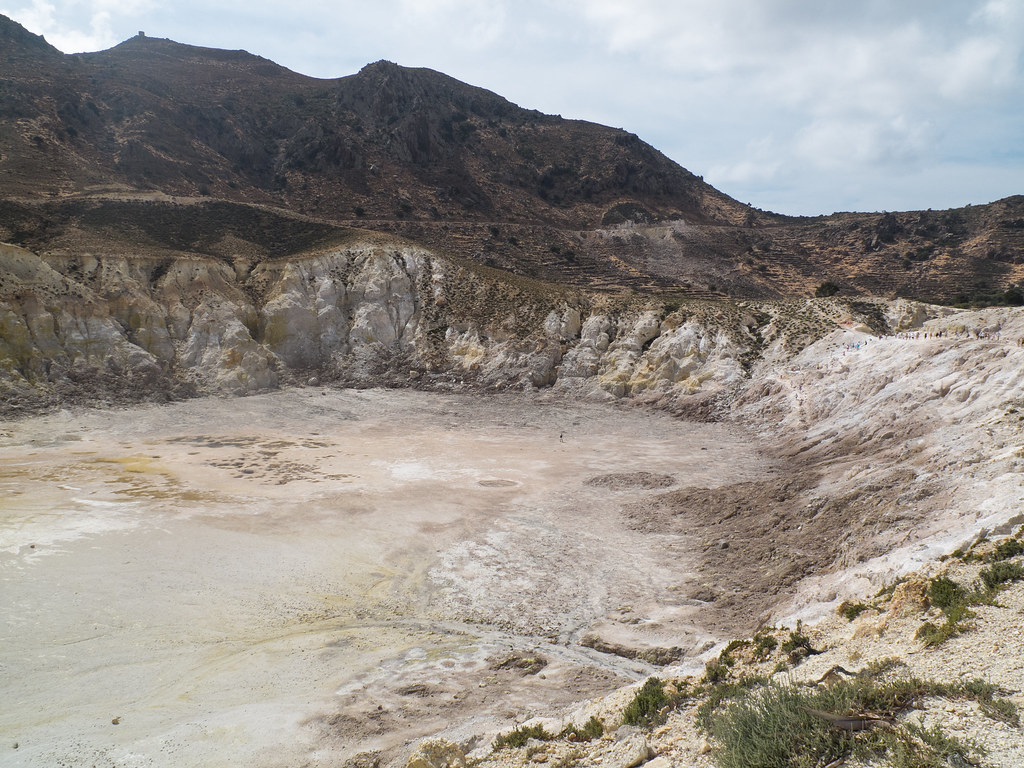
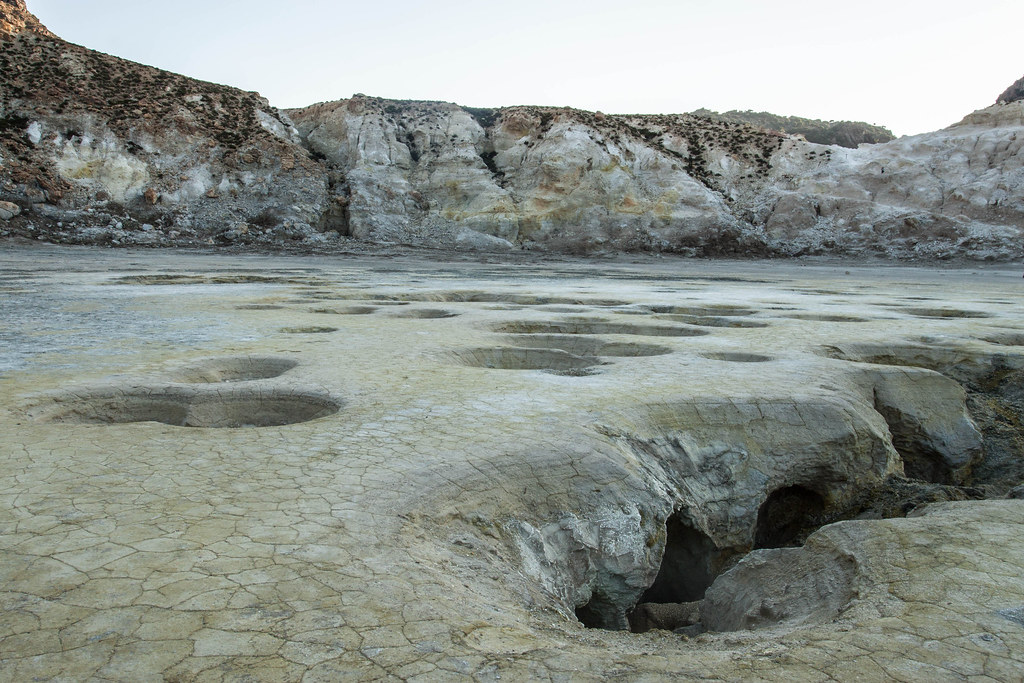
Approaching Stefanos Crater on Nisyros feels like stepping into another world. The landscape is stark yet alive, with steaming fumaroles punctuating the barren volcanic floor. The contrast between the island’s lush coastal villages and the raw, sulfur-stained caldera is striking. Descending the crater stairs, you sense the Earth’s power beneath your feet as hot gases hiss and sulfur aromas fill the air. Reaching the crater floor offers an intimate encounter with active volcanic forces rarely accessible in Europe.

Nisyros Volcano: Geological Background
Nisyros is a young, active caldera volcano formed about 150,000 years ago through repeated eruptions and collapses. The island’s defining feature is its large caldera, created by a massive eruption around 1422 AD. Stefanos Crater, the largest hydrothermal crater on the island, formed from phreatic steam explosions roughly 5,000 years ago. The crater’s floor is covered with alluvial deposits and pumice, while fumaroles emit superheated steam rich in sulfur compounds. The volcano’s activity today is mainly hydrothermal, with no recent lava flows but persistent fumarolic activity and mud pools.
Terrain and Hiking Experience on Stefanos Crater
The trek to Stefanos Crater is gentle and accessible, with well-maintained paths and stairs leading down into the crater. The terrain includes loose volcanic gravel, pumice, and rocky surfaces stained yellow by sulfur deposits. Walking inside the crater, hikers feel the warmth radiating from fumaroles and hear the constant hiss of escaping gases. The volcanic ash slopes around the caldera are soft underfoot, and the trail offers panoramic views of the island’s rugged interior. The easy gradient and short duration make it suitable for most fitness levels.

What Makes the Stefanos Crater Trek Unique
Stefanos Crater is one of the few places in Europe where you can walk directly inside an active volcanic crater. The steaming fumaroles, vivid sulfur crystals, and bubbling mud pools create an otherworldly landscape. Unlike many dormant volcanoes, Nisyros’s hydrothermal activity is palpable and visible. The trek combines geological spectacle with cultural richness, as nearby villages preserve traditional Greek island life. The crater’s accessibility and safety measures allow visitors to experience volcanic forces up close without technical climbing.
The Summit and Crater Experience
Standing on the crater floor of Stefanos, hikers are enveloped by a sulfurous haze and the sound of hissing steam vents. The ground beneath is warm, and bright yellow sulfur deposits color the rocks in striking patterns. The crater’s elliptical shape, about 300 meters wide and 25 meters deep, frames views of the caldera rim and surrounding island peaks. The smell of sulfur is sharp but invigorating, and the occasional rumble of hydrothermal fluids reminds visitors of the volcano’s latent power. This sensory immersion is both humbling and thrilling.
Best Time to Trek Stefanos Crater
The ideal time to visit Nisyros and trek Stefanos Crater is from spring through early autumn (April to October), when weather is mild and dry. Summers can be hot but manageable with early starts. Winter months bring cooler temperatures and occasional rain, making the crater floor slippery. Volcanic activity is continuously monitored, and access may be restricted during periods of increased gas emissions or seismic activity. Sunrise or early morning visits offer cooler temperatures and softer light for photography.
Trekking Routes and Trail Options
The main route to Stefanos Crater starts from the village of Nikia or from Mandraki, the island’s port town. The trail from Nikia is a 45-minute walk descending gently into the caldera, passing smaller craters and fumaroles. From Mandraki, visitors can drive or hike approximately 30 minutes to the crater area. The crater itself is accessible via stairs leading down to the floor. Visitors can explore the crater in 10–15 minutes before returning the same way or continuing to nearby sites like the Monastery of Evangelistria or other hydrothermal craters such as Mikros Stefanos.
Difficulty Assessment
Stefanos Crater trek is classified as an easy volcano trek. The terrain is stable with well-marked paths and minimal elevation gain. No technical climbing skills are required. The main challenges are navigating loose volcanic gravel and managing exposure to sulfur fumes. The altitude is low (below 700 meters), so altitude sickness is not a concern. Suitable for families, casual hikers, and geology enthusiasts seeking a safe yet immersive volcanic experience.
Essential Volcano Trekking Gear
Recommended gear includes sturdy hiking shoes with good grip to handle loose volcanic gravel and rocky surfaces. A windproof jacket is useful for cooler mornings and crater rim winds. Sun protection such as hats, sunglasses, and sunscreen is essential due to limited shade. Carry water for hydration. A lightweight gas mask or respirator can be helpful for sensitive individuals to mitigate sulfur fumes. Trekking poles may assist with stability on uneven terrain. A headlamp is optional for early morning or late afternoon visits.
Safety and Volcanic Hazards
Visitors should respect warning signs and avoid approaching fumaroles too closely due to hot gases and unstable ground. Sulfur fumes can irritate eyes and respiratory systems; sensitive individuals should take precautions. The crater floor is fragile and porous, so stay on designated paths. Sudden weather changes and strong winds can occur near the crater rim. The volcano is monitored by Greek geological authorities, and access may be restricted during increased activity. Always check local advisories before visiting.
Permits, Guides, and Logistics
A small entrance fee (around 5 euros) is required to access Stefanos Crater. Guided tours are available from Mandraki and provide expert insights into the volcano’s geology and history. Self-guided visits are common and well-supported by signage. No special permits beyond park entry are needed. Seasonal closures may apply during heightened volcanic activity. Visitors should arrange transportation in advance, especially when relying on public or shared vehicles.
Where to Stay Near Stefanos Crater
Accommodation options on Nisyros include small guesthouses and boutique hotels in Mandraki, the island’s main port town. Nikia village offers charming lodgings closer to the crater trailhead. Eco camps and family-run hostels provide budget-friendly stays. Staying overnight allows for early morning crater visits and deeper exploration of the island’s volcanic and cultural sites. Most accommodations are within a 30-minute drive of Stefanos Crater.