
Mount Teide Sunrise Trek: Ultimate Guide to Spain’s Highest Volcano Ascent
Discover the thrill of hiking Mount Teide, Spain’s highest peak and dormant stratovolcano. This expert guide covers geology, trekking routes, permit requirements, terrain challenges, and the unforgettable sunrise experience above the clouds in Tenerife’s volcanic landscape.
Quick Volcano Snapshot
| Volcano type | Stratovolcano |
|---|---|
| Elevation | 3,718 meters |
| Location | Tenerife, Canary Islands, Spain |
| Activity status | Dormant |
| Trekking difficulty | Moderate |
| Typical trek duration | 6 to 8 hours (full ascent from Montaña Blanca), 3 hours (cable car + summit hike) |
| Altitude gain | Approximately 1,350 meters from Montaña Blanca |
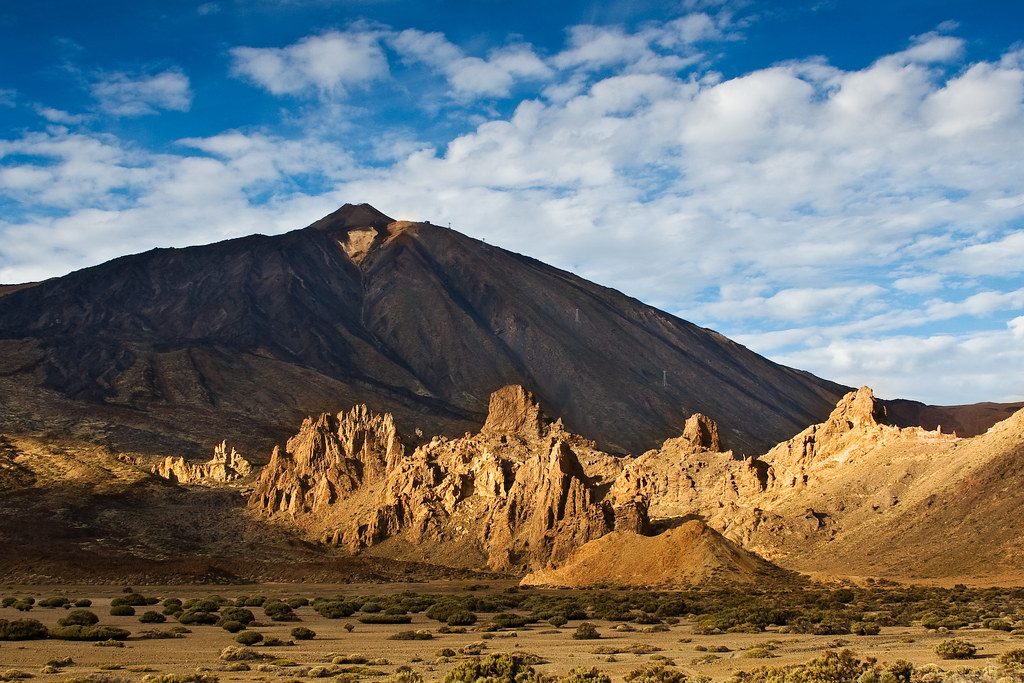
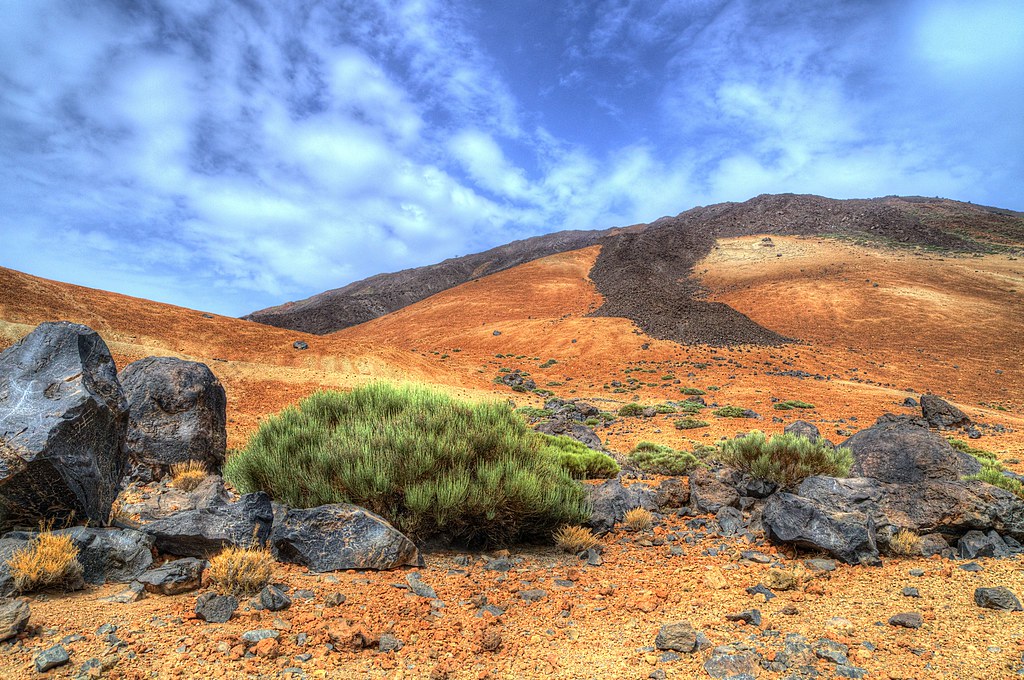
| Terrain type | Pumice fields, volcanic ash slopes, rocky lava terrain |
| Best season | Spring to autumn (avoiding winter snow and adverse weather) |
| Temperature range | -5°C to 15°C at summit, warmer at base |
| Permit requirement | Mandatory permit required for summit access |
The Experience of Hiking Mount Teide at Sunrise
Approaching Mount Teide at dawn is a journey into a surreal volcanic realm. The barren lava fields stretch beneath a sky slowly brightening with hues of orange and pink. The air is crisp and thin, carrying the scent of mineral-rich earth and faint sulfur. As you ascend, the landscape transforms from rugged pumice slopes to jagged volcanic rock, framed by the vast Atlantic Ocean and islands emerging from the morning mist. Reaching the summit just as the sun breaks above the clouds is an emotional crescendo — a moment of profound connection with the raw geological forces that shaped this island.
Mount Teide: Geological Background
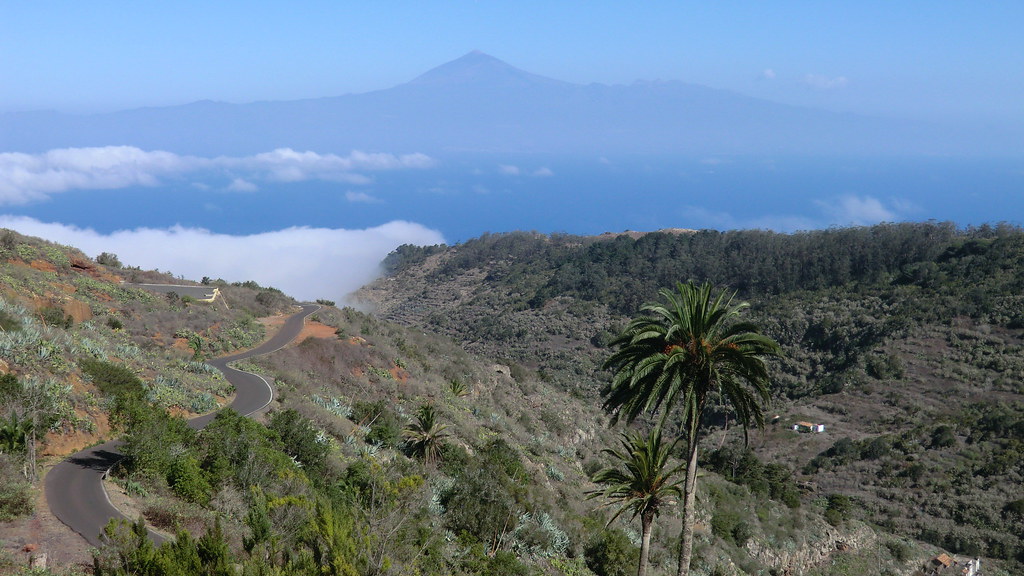
Mount Teide is a towering stratovolcano formed over millions of years by successive eruptions building layers of lava and ash. It is the highest peak in Spain and the third largest volcanic structure on Earth from its base on the ocean floor. Its last eruption occurred in 1909, leaving a dormant but closely monitored giant. The volcano features a large central crater and numerous fumaroles emitting steam and sulfur gases. The volcanic minerals and unique rock formations create a lunar-like terrain, punctuated by rare endemic plants adapted to this harsh environment.
Terrain and Hiking Experience on Mount Teide
The trek involves steep ascents over loose pumice and volcanic ash, demanding careful footing. Sections of rocky scrambling near the summit challenge hikers, while the thin air at altitude tests endurance. Winds can be strong and temperatures drop sharply near the peak. The trail from Montaña Blanca climbs through diverse volcanic landscapes, including vast pumice fields and rugged lava rock. The cable car option reduces physical strain but still requires navigating rocky high-altitude paths. Overall, the terrain is varied, offering both technical and endurance challenges.
What Makes the Mount Teide Trek Unique
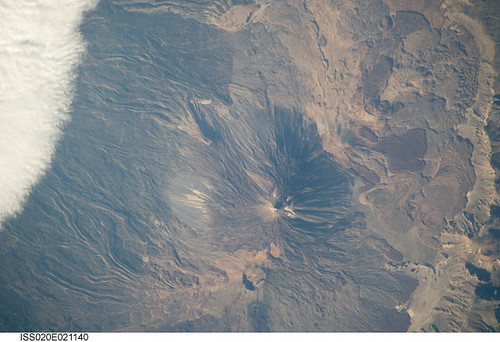
Mount Teide’s trek is distinguished by its dramatic sunrise views above a sea of clouds, creating an ethereal atmosphere. The volcanic landscape is otherworldly, with vast pumice deserts and fumaroles emitting steam. The summit offers panoramic vistas of Tenerife and neighboring islands. The combination of geological significance, cultural heritage, and natural beauty makes this trek a rare adventure. The strict permit system preserves the fragile ecosystem, ensuring a pristine experience for those who reach the peak.
Summit and Crater Experience
Standing at 3,718 meters, the summit reveals a vast crater rim with fumaroles releasing warm sulfurous steam. The air smells faintly of sulfur, and the ground radiates residual heat. The panoramic views stretch across Tenerife’s rugged terrain and the Atlantic horizon. The silence is profound, broken only by the whisper of wind and distant bird calls. Watching the sunrise from this vantage point is a sensory spectacle — colors intensify, shadows shift, and the volcanic landscape awakens in golden light.
Best Time to Trek Mount Teide
The ideal trekking season spans spring to autumn, avoiding winter when snow and ice can make trails hazardous. Early morning starts are recommended for sunrise treks, but hikers must consider weather forecasts and cable car operating hours. Volcanic gas levels and official alerts can restrict access. The dry season offers stable conditions, while summer months require early permit booking due to high demand. Nighttime climbs are possible but require proper gear and permits.
Routes and Trail Options
Two main routes lead to the summit: the full ascent from Montaña Blanca and the cable car plus summit hike. The Montaña Blanca trail is approximately 8.8 km with 1,350 meters elevation gain, taking about 6 to 8 hours. It passes through pumice fields and the Altavista Refuge (currently closed). The cable car ascends from 2,356 m to 3,555 m in 8 minutes, followed by a steep 1-hour hike on the Telesforo Bravo trail to the summit. Permits are required for the final summit trail. Additional trails access Pico Viejo and other park areas but do not reach the summit.
Difficulty Assessment
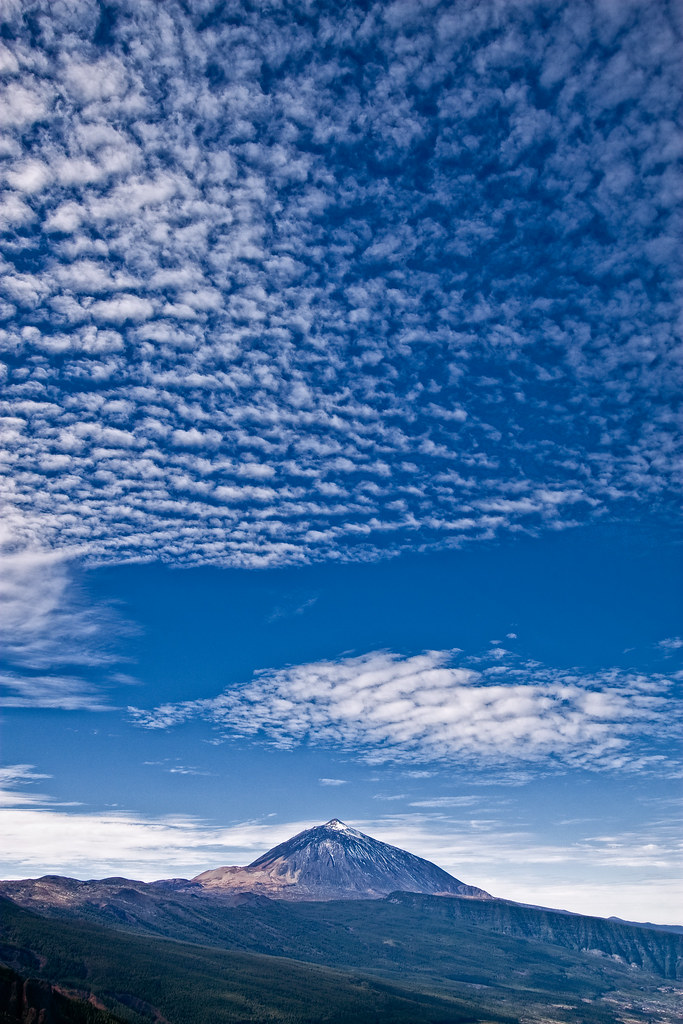
Mount Teide’s trek is classified as a moderate volcano trek. The main challenges are altitude, steep slopes, and loose volcanic terrain. No technical climbing skills are required, but good physical fitness and acclimatization to altitude are essential. The cable car option reduces exertion but does not eliminate the need for stamina and caution on rocky paths. Beginners should prepare adequately and consider guided tours for safety and navigation.
Essential Volcano Trekking Gear
Key gear includes sturdy hiking boots with good grip, trekking poles for stability on loose terrain, and volcanic ash gaiters to protect against dust. Warm, layered clothing is vital due to temperature fluctuations and wind exposure. A headlamp is necessary for pre-dawn starts. Carry sufficient water, sun protection (hat, sunscreen, sunglasses), and a fully charged mobile phone. A gas mask or respirator is generally not required but check current volcanic gas advisories. A thermal blanket is recommended for emergencies.
Safety and Volcanic Hazards
Hikers must be aware of risks including altitude sickness, sudden weather changes, and unstable crater edges. Volcanic gases can accumulate in low areas; avoid fumaroles and heed park warnings. Falling rocks and loose scree demand careful footing. The park enforces strict permit and equipment rules to enhance safety. Rescue operations are costly, and fines apply for non-compliance. Always check official volcanic activity updates and weather forecasts before trekking.
Permits, Guides, and Logistics
Access to the summit requires a free permit obtained via the Tenerife ON platform, released three months in advance with limited daily slots (200 people). Permits specify a two-hour time window and must be presented at trail checkpoints. Additional permits are needed for certain trails within the park. Guided tours offer reserved permits and expert support. The cable car operates from 9:00 AM to 5:00 PM; descending by cable car requires separate tickets purchased on-site. Registration and mandatory equipment checks are enforced.
Where to Stay Near Mount Teide
Accommodation options include mountain lodges, eco camps, and guesthouses in nearby towns such as Vilaflor and La Orotava. The Parador de Las Cañadas del Teide offers proximity to trailheads within the national park. Tenerife’s main city, Santa Cruz, and tourist hubs like Puerto de la Cruz provide additional lodging with transport links. Early booking is advised during peak trekking seasons. Staying near Montaña Blanca trailhead facilitates early starts for summit attempts.