
Mount Ida (Psiloritis) Volcano Trekking Guide: Conquer Crete’s Highest Peak with the Alternative Route
Explore the demanding trek to Mount Ida (Psiloritis), Crete’s highest peak and an extinct stratovolcano. This guide covers geological insights, detailed route options, terrain challenges, safety tips, and the mythological significance of this iconic European volcano.
Quick Volcano Snapshot
| Volcano type | Stratovolcano (extinct) |
|---|---|
| Elevation | 2,456 meters (8,058 feet) |
| Location | Crete, Greece |
| Activity status | Extinct |
| Trekking difficulty | Demanding |
| Typical trek duration | 4 to 6 hours ascent, 2 to 4 hours descent |
| Altitude gain | Approx. 840 meters (varies by route) |
| Terrain type | Limestone ridges, rocky scree, karst plateaus |
| Best season | Spring (April to June) and early autumn (September to October) |
| Temperature range | 10°C to 25°C (varies with altitude and season) |
| Permit requirement | No permit required |
The Experience of Hiking Mount Ida (Psiloritis)
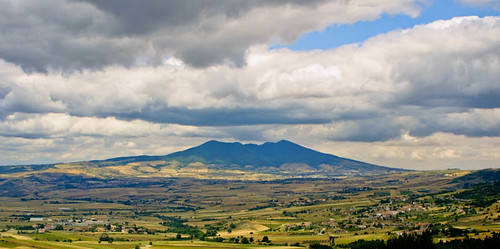
Approaching Mount Ida, the highest peak of Crete, feels like entering a realm where myth and geology collide. The barren limestone ridges rise sharply against the blue sky, their jagged silhouettes etched by millennia of wind and snow. The landscape is stark yet majestic, a lunar terrain punctuated by ancient caves and sparse vegetation. As you ascend, the air thins and the silence deepens, broken only by the crunch of stone underfoot and the whisper of mountain winds. Reaching the summit, Timios Stavros, rewards you with sweeping views of the Aegean and Libyan Seas, a profound reminder of the Earth’s raw power and timeless beauty.
Geological Background of Mount Ida
Mount Ida is an extinct stratovolcano formed through complex tectonic interactions between the African and European plates. Its limestone massif is a testament to ancient seabeds uplifted over millions of years. The mountain’s karst landscape features sinkholes, poljes, and rugged ridges shaped by erosion and weathering. Notable geological features include the Ideon Andron cave, a mythologically significant site, and extensive dry-stone structures called mitata. Though volcanic activity ceased long ago, the mountain’s volcanic origins remain evident in its rugged profile and mineral composition.
Terrain and Hiking Experience on Mount Ida
The trek traverses steep limestone slopes, rocky scree fields, and cobbled stone paths. Early sections wind through the Nida Plateau’s karst plains before ascending sharply via switchbacks and natural stone pavements. The terrain demands sure-footedness, as loose rocks and sharp stones are common. Exposure to sun is intense due to sparse vegetation, and wind near the summit can be strong and chilling. Altitude effects are moderate but noticeable, requiring steady pacing. The trail is well-marked with red dots and cairns, easing navigation despite the rugged landscape.
What Makes the Mount Ida Trek Unique
Mount Ida’s blend of geological grandeur and mythological heritage sets it apart. It is the legendary birthplace of Zeus, with the sacred Ideon Andron cave nearby. The trek offers a rare volcanic limestone landscape with dramatic karst formations and panoramic sea views. Unlike many volcanic hikes, it combines demanding alpine terrain with cultural depth, including the summit chapel of Timios Stavros. The alternative routes from Fourfouras and Kamares provide varied microclimates and more challenging ascents, appealing to experienced mountaineers seeking solitude and authentic wilderness.
Summit Experience at Timios Stavros
Reaching Timios Stavros, the highest point at 2,456 meters, is a moment of awe. The small stone chapel crowns the summit, surrounded by sweeping vistas of Crete’s mountain ranges and distant seas. The air is crisp and often windy, carrying the faint scent of alpine herbs and stone. The panoramic view stretches from the Aegean Sea in the north to the Libyan Sea in the south, with clear days revealing even Santorini’s silhouette. The summit’s exposed ridge offers a dramatic vantage point to reflect on the mountain’s ancient volcanic origins and mythic past.
Best Time to Trek Mount Ida
Spring (April to June) and early autumn (September to October) are ideal for trekking Mount Ida. During these seasons, temperatures are moderate, and the mountain is free of snow except for occasional lingering patches in shaded areas. Summer can be hot and dehydrating due to intense sun exposure and lack of shade. Winter and late autumn bring snow and unpredictable weather, increasing risks. Early morning starts are recommended to avoid midday heat and to enjoy calmer winds near the summit.
Routes and Trail Options to Mount Ida Summit
The most popular route starts from the Nida Plateau (approx. 1,400 m), accessible by car from Anogeia village. This well-marked trail follows the E4 path, passing the Ideon Andron cave and ascending via switchbacks to the summit. Alternative routes include the Fourfouras trail from the west and the Kamares trail from the south, both steeper and more remote, offering diverse landscapes and requiring advanced navigation skills. The Lakkos Migerou plateau route is a demanding linear trail with significant sun exposure and an altitude gain of about 840 meters.
Difficulty Assessment of Mount Ida Trek
Mount Ida is classified as a demanding volcano trek. The terrain involves steep ascents on rocky and uneven limestone surfaces, requiring good physical fitness and sure-footedness. While technical climbing is not necessary, the altitude and exposure to sun and wind increase the challenge. Hikers should be prepared for long hours of continuous ascent and descent, carrying sufficient water and sun protection. The alternative routes add complexity with steeper gradients and less frequent trail markings.
Essential Gear for Mount Ida Volcano Trekking
Key gear includes sturdy hiking boots with excellent grip to handle sharp limestone and scree, trekking poles for stability on steep sections, and volcanic ash gaiters to protect against dust. A wide-brimmed hat and high-SPF sunscreen are vital due to intense sun exposure. Layered clothing is recommended to adapt to temperature shifts and strong winds near the summit. Carry at least 2-3 liters of water, snacks for energy, and a headlamp if starting early or finishing late. A map or GPS device is advisable for alternative routes.
Safety and Volcanic Hazards on Mount Ida
As an extinct volcano, Mount Ida poses no active volcanic hazards. However, the mountain environment presents risks including unstable rocky terrain, loose scree, and sudden weather changes. Exposure to strong sun and wind can cause dehydration and hypothermia respectively. Trail markers are generally reliable, but fog or poor visibility can disorient hikers, especially on alternative routes. There are no volcanic gases or fumaroles to worry about. Always check weather forecasts, inform someone of your plans, and consider hiring a local guide for challenging routes.
Permits, Guides, and Logistics for Mount Ida Trekking
No permits are required to hike Mount Ida. The area is part of a UNESCO Global Geopark with open access. Guided tours are available and recommended for alternative routes or less experienced hikers. The main trailhead at Nida Plateau has parking and basic facilities. Seasonal closures are rare but check local advisories. Hiring a guide enhances safety and enriches the experience with geological and mythological insights. Logistics include arranging transport to Anogeia or nearby villages and planning for early starts to avoid midday heat.
Where to Stay Near Mount Ida
Anogeia village serves as the primary base for Mount Ida treks, offering guesthouses and small hotels with authentic Cretan hospitality. Nearby towns like Rethymnon and Heraklion provide broader accommodation options and are about 1.5 to 2 hours’ drive away. For early starts, consider staying near the Nida Plateau parking area or mountain refuges such as Lakos Migerou. Eco camps and trekking hostels are available for those seeking immersive mountain experiences. Booking in advance is advised during peak hiking seasons.