
Santorini Caldera Trekking Guide 2026: Exploring Greece’s Iconic Volcanic Landscape
Discover the unique experience of hiking the Santorini Caldera, a dormant volcanic caldera in Greece’s Cyclades. This guide covers geology, trekking routes, terrain, safety, and the best seasons to explore the dramatic cliffs, volcanic beaches, and submerged caldera that define this legendary destination.
Quick Volcano Snapshot
| Volcano type | Caldera |
|---|---|
| Elevation | 300 m (caldera cliffs height) |
| Location | Santorini, Cyclades, Greece |
| Activity status | Dormant |
| Trekking difficulty | Easy to Moderate |
| Typical trek duration | 2.5 to 5 hours |
| Altitude gain | Up to 300 m |
| Terrain type | Volcanic rock, paved paths, rocky trails, ash slopes |
| Best season | April to October |
| Temperature range | 15°C to 30°C |
| Permit requirement | No permit required |
The Experience of Hiking Santorini Caldera
Approaching the Santorini Caldera, the landscape unfolds with breathtaking drama: towering cliffs rise sharply from the deep blue Aegean Sea, encircling a vast submerged volcanic crater. The contrast between the stark volcanic rock and the whitewashed villages perched on the rim creates a surreal panorama. Hiking along the caldera rim immerses you in the raw power of ancient eruptions, while the scent of salty sea air mingles with faint traces of sulfur. Reaching viewpoints along the trail, the emotional impact of standing above a volcanic abyss is profound, evoking awe at Earth’s geological forces.
Geological Background of Santorini Caldera
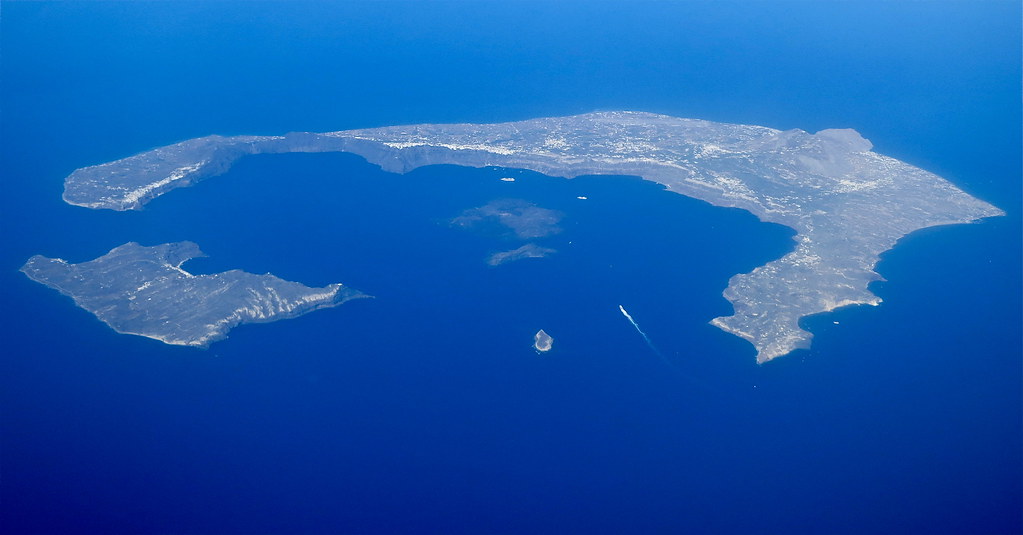
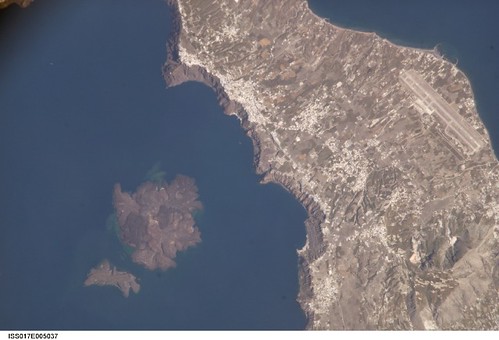
Santorini is a large volcanic caldera formed by a series of massive eruptions over hundreds of thousands of years. The current caldera was created about 3,600 years ago during the Minoan eruption, one of the largest volcanic events in human history. It is part of the South Aegean Volcanic Arc, formed by the subduction of the African tectonic plate beneath the Eurasian plate. The caldera’s steep cliffs expose layers of volcanic ash, pumice, and lava flows. The central Kameni islands are younger volcanic landforms with active fumaroles and sulfur deposits, revealing ongoing geothermal activity beneath the dormant caldera.
Terrain and Hiking Experience on Santorini Caldera
The Santorini Caldera trail combines paved paths with rugged volcanic rock and occasional steep ascents and descents. Hikers traverse sections of loose pumice, hardened lava, and rocky trails offering panoramic views of the sea and islands. The terrain is generally easy to moderate, suitable for hikers with basic fitness. Wind exposure along the rim can be strong, and the volcanic soil offers little shade, so sun protection is essential. The trail passes through charming villages, Mediterranean vegetation, and volcanic landscapes, creating a varied and scenic hiking experience.
What Makes the Santorini Caldera Trek Unique
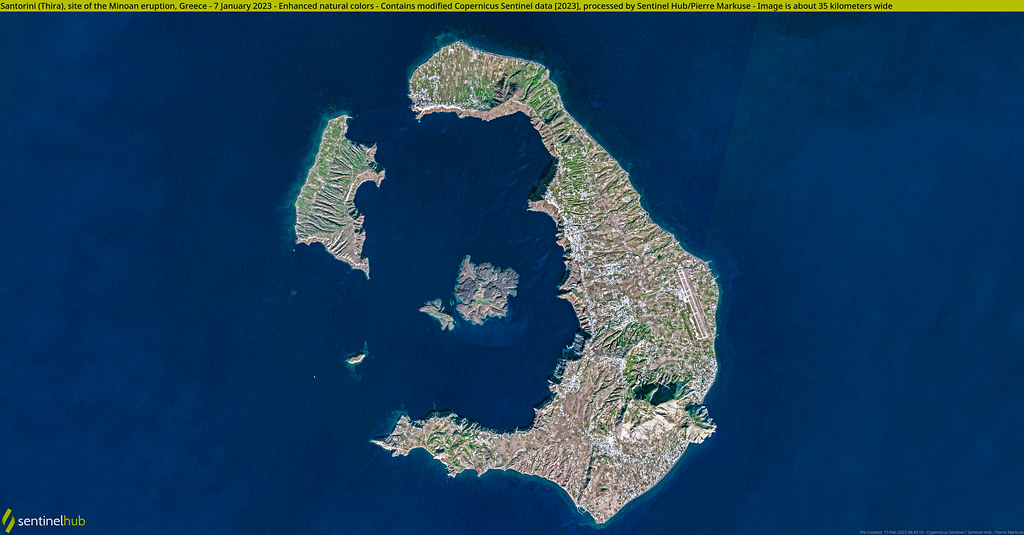
Santorini’s trek is unique for its combination of geological grandeur and cultural charm. The submerged caldera with 300-meter cliffs is one of the most dramatic volcanic landscapes in Europe. The trail offers views of the iconic blue-domed churches and whitewashed villages perched on the caldera edge. Nearby volcanic islands like Nea Kameni allow exploration of recent lava flows and steaming fumaroles. The volcanic beaches with black and red sand add to the diversity. The blend of active geology, stunning vistas, and Cycladic architecture makes this trek truly exceptional.
Summit and Crater Experience on Santorini Caldera
While Santorini’s caldera rim is not a traditional summit, reaching high points along the trail offers spectacular views into the volcanic abyss and the Aegean Sea beyond. The air carries faint sulfurous notes from distant fumaroles on the Kameni islands. The sound of waves crashing below contrasts with the silence of the volcanic cliffs. From vantage points, hikers witness the vastness of the caldera, the scattered volcanic islets, and the vibrant villages clinging to the cliffs. The experience is both humbling and exhilarating, a sensory encounter with volcanic power and island beauty.
Best Time to Trek Santorini Caldera
The ideal trekking season runs from April through October, when weather is warm and dry. Spring and early autumn offer pleasant temperatures and fewer crowds. Summer months can be hot, with temperatures reaching 30°C, and strong sun exposure on the trail. Winter is mild but wetter, with occasional rain and cooler temperatures. Volcanic activity is dormant, so no restrictions apply, but always check local conditions. Sunrise and sunset hikes provide magical lighting and cooler temperatures, enhancing the trekking experience.
Trekking Routes and Trail Options on Santorini Caldera
The primary route stretches approximately 10 kilometers from Fira to Oia, passing through Firostefani and Imerovigli villages. This trail offers a mix of paved and rocky paths with elevation changes up to 300 meters. Typical hiking time ranges from 2.5 to 5 hours depending on pace and stops. The route is accessible for self-guided hikers, with clear signage and frequent viewpoints. Guided tours are available, often combining hiking with cultural insights and boat excursions to Kameni islands. Alternative shorter loops around villages provide options for less time or lower fitness levels.
Difficulty Assessment of Santorini Caldera Trek
Santorini Caldera trek is classified as an easy to moderate volcano trek. The terrain is mostly non-technical, with some steep sections and uneven rocky paths. No specialized climbing skills are required. Fitness level should be moderate to comfortably handle 2.5 to 5 hours of walking with elevation gain up to 300 meters. The trail’s exposure to sun and wind adds challenge, so preparation is important. It is suitable for most hikers including beginners with reasonable fitness, families, and casual adventurers.
Essential Volcano Trekking Gear for Santorini
Recommended gear includes sturdy hiking shoes with good grip for rocky and paved surfaces, sun protection such as a wide-brimmed hat, sunglasses, and sunscreen. Lightweight, breathable clothing is ideal for warm weather. Carry sufficient water and snacks for hydration and energy. Trekking poles can aid balance on uneven terrain but are optional. A small daypack, camera, and a windproof jacket for cooler or windy conditions complete the essentials. No gas mask is needed as volcanic gases are minimal on the caldera rim.
Safety and Volcanic Hazards on Santorini Caldera
Santorini is a dormant volcano with no recent eruptions, minimizing volcanic hazards on the caldera rim trail. However, hikers should be cautious of unstable cliff edges and loose scree on steep sections. Sudden weather changes, especially strong winds, can affect safety. Stay on marked trails and heed local warnings. Volcanic gases are negligible on the rim but present near Kameni islands; avoid restricted areas. Emergency services and volcanic monitoring are active in the region. Always check weather and volcanic activity updates before trekking.
Permits, Guides, and Logistics for Santorini Trekking
No special permits are required to hike the Santorini Caldera trail. Entry to villages and public paths is free. Guided tours are widely available and recommended for those seeking geological insights and cultural context. Local guides provide safety advice and enhance the experience. Seasonal closures are rare but check with local authorities. Public transport connects Fira and Oia, facilitating self-guided hikes. Combining trekking with boat tours to Kameni islands is popular. Booking accommodations in advance is advised during peak season.
Where to Stay Near Santorini Caldera
Accommodation options abound in Fira, Oia, and Imerovigli, all perched on the caldera rim with stunning views. Boutique hotels, guesthouses, and eco-lodges offer comfortable bases close to trailheads. Staying in Fira provides easy access to transport and amenities, while Oia offers a quieter, picturesque setting ideal for sunset viewing. For a more immersive experience, small villages like Imerovigli provide tranquil lodging. Many accommodations offer guided hiking packages and shuttle services to trail starts.