
Mount Takachiho-no-mine Volcano Trekking Guide: Exploring Kyushu’s Sacred Stratovolcano
Mount Takachiho-no-mine, a dormant stratovolcano in Kyushu, Japan, offers a moderate yet rewarding trek steeped in mythological significance. This guide covers its geology, terrain, routes, safety, and cultural context for volcano hiking enthusiasts seeking a unique volcanic adventure.
Quick Volcano Snapshot
| Volcano type | Stratovolcano |
|---|---|
| Elevation | 1574 meters |
| Location | Kyushu, Japan |
| Activity status | Dormant |
| Trekking difficulty | Moderate |
| Typical trek duration | 2 to 3 hours round trip |
| Altitude gain | Approximately 400 meters |
| Terrain type | Loose volcanic rocks, pumice, lapilli, steep slopes |
| Best season | Spring to autumn (March to November) |
| Temperature range | 5°C to 20°C depending on season and altitude |
| Permit requirement | No permit required |
Introduction: The Experience of Hiking Mount Takachiho-no-mine
Approaching Mount Takachiho-no-mine, hikers are greeted by a striking volcanic silhouette rising sharply against the Kyushu skyline. The trail ascends through sparse forest before opening onto barren slopes of red volcanic rock and loose pumice. The stark contrast between the rugged lava terrain and the surrounding lush greenery evokes a profound sense of geological power. As you climb, the air grows cooler and thinner, and the mythic aura of the mountain deepens. Reaching the summit, the panoramic views and the legendary bronze spear embedded in the peak create an unforgettable moment of connection to Japan’s ancient spiritual heritage.
The Volcano Itself: Geological Background
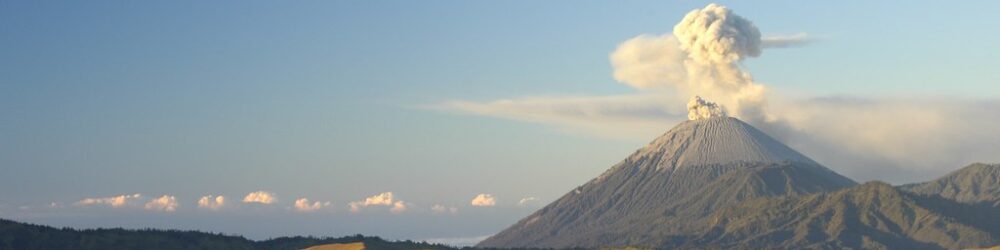
Mount Takachiho-no-mine is a classic stratovolcano formed by successive layers of lava and ash from eruptions millions of years ago. Its dormant status belies a dynamic volcanic history that shaped the Kirishima mountain range. The summit features the Ohachi Crater, a broad volcanic depression with steep walls. The terrain is dominated by volcanic minerals such as pumice and lapilli—small, porous volcanic rocks that cover the slopes. Fumaroles and sulfur deposits are minimal here due to dormancy, but the volcanic soil supports unique alpine vegetation. The mountain’s formation is intertwined with Japan’s tectonic activity along the Pacific Ring of Fire.
The Volcano Trek: Terrain and Hiking Experience
The hike to Mount Takachiho-no-mine’s summit is characterized by steep ascents over loose volcanic scree and pumice, demanding careful footing. Early sections pass through forested patches with shrubs and small trees, gradually giving way to open slopes of red volcanic rock. The trail includes sections of scrambling over uneven lava rock and lapilli fields. Wind exposure increases near the summit, and temperature can drop sharply. Altitude effects are mild but noticeable. The terrain’s loose volcanic debris requires sturdy hiking boots and trekking poles for stability. The trail’s moderate difficulty rewards hikers with dramatic volcanic vistas.
What Makes This Volcano Trek Unique
Mount Takachiho-no-mine stands out for its profound mythological and cultural significance. According to Japanese legend, the Sun Goddess’s grandson, Ninigi no Mikoto, descended here from the heavens, planting his sacred spear at the summit. This spiritual heritage imbues the trek with a rare sense of connection to Japan’s origins. The mountain’s volcanic landscape is visually striking, with vivid red slopes and pumice fields contrasting against the green Kirishima range. The presence of the legendary bronze spear at the peak and the proximity to other volcanic features like the Ohachi Crater add to the trek’s uniqueness.
The Summit and Crater Experience
Reaching the summit of Mount Takachiho-no-mine, hikers encounter a breathtaking panorama of the Kirishima volcanic range and distant Kyushu landscapes. The summit ridge skirts the Ohachi Crater, a vast volcanic depression shaped by ancient eruptions. Here, the air carries a faint scent of mineral earth, and the ground is warm beneath your feet from residual geothermal heat. The iconic bronze spear, said to mark the descent of Ninigi no Mikoto, stands as a silent sentinel. The crater rim offers dramatic views of volcanic cones and forested valleys, creating a sensory experience of nature’s raw power and Japan’s sacred past.
Best Time to Trek Mount Takachiho-no-mine
The ideal trekking season spans from early spring through late autumn (March to November). Spring brings fresh azaleas and rhododendrons, while autumn offers stable weather and vibrant foliage. Summer mornings are suitable for early climbs but beware of afternoon fog and occasional rain. Winter trails may be snow-covered and slippery, limiting access. Winds near the summit can be strong year-round, so checking weather forecasts is essential. Volcanic activity is dormant, so no eruption-related restrictions apply, but visibility can be reduced by fog, especially in humid months.
Trekking Routes and Trail Options
The primary route to Mount Takachiho-no-mine starts at the Takachiho-gawara Visitor Center. This trail ascends steeply over approximately 2.5 kilometers, taking about 90 minutes to reach the summit. The path passes through forested areas before opening onto volcanic slopes. Hikers can combine this ascent with the Kirishima Ridge Trail, a longer 12-kilometer trek connecting multiple peaks, including Karakunidake and Shinmoedake, for a full-day adventure. The Takachiho-gawara route is well-marked and suitable for self-guided hikers, though guided tours are available for deeper cultural insights and safety.
Difficulty Assessment
Mount Takachiho-no-mine is classified as a moderate volcano trek. The steep slopes and loose volcanic scree require good balance and hiking experience. While no technical climbing gear is needed, hikers should be physically fit to manage the altitude gain of around 400 meters over a relatively short distance. The trail’s uneven terrain and exposure to wind near the summit increase the challenge. This trek is not recommended for beginners without prior mountain hiking experience but is accessible to most moderately fit hikers with proper preparation.
Essential Volcano Trekking Gear
Recommended gear includes sturdy hiking boots with strong grip to handle loose pumice and volcanic rocks. Trekking poles improve stability on steep and slippery sections. A windproof jacket is essential for summit exposure. Sun protection—hat, sunglasses, and sunscreen—is critical due to minimal shade. Carry sufficient water and snacks for energy. A headlamp is useful for early morning or late afternoon hikes. While volcanic gases are minimal here, a lightweight dust mask can help on windy days. Layered clothing is advised to adapt to temperature changes.
Safety and Volcanic Hazards
Though Mount Takachiho-no-mine is dormant, hikers should remain cautious of unstable loose scree that can cause slips and falls. Summit ridges may be exposed to strong winds. There is minimal risk from volcanic gases or eruptions currently. Always check weather conditions before the hike to avoid fog and sudden storms that reduce visibility. Stay on marked trails to avoid fragile volcanic terrain and respect any park warnings. Local authorities monitor volcanic activity and issue alerts if conditions change.
Permits, Guides, and Logistics
No special permits are required to hike Mount Takachiho-no-mine. Entry to Kirishima-Kinkowan National Park is free, though some nearby attractions may charge fees. Guided tours are recommended for those interested in the mountain’s mythology and geology, and for added safety. The Takachiho-gawara Visitor Center provides trail information and maps. Seasonal closures are rare but possible during adverse weather. Planning transportation ahead is advised due to limited public transit options.
Where to Stay Near Mount Takachiho-no-mine
Accommodation options include local guesthouses and ryokans in the Takachiho area, offering traditional Japanese hospitality. Kirishima Onsen resorts provide hot spring relaxation after trekking. Eco campsites and mountain lodges near trailheads cater to hikers seeking immersive nature experiences. Staying in nearby cities like Miyazaki or Kagoshima is possible but requires additional travel time. Booking in advance is recommended during peak seasons.