
Mount Gahinga Volcano Trekking Guide: Exploring Uganda’s Bamboo Forests and Gorilla Habitat
Mount Gahinga, a dormant stratovolcano in the Virunga Mountains on the Uganda-Rwanda border, offers a moderate trek through bamboo forests rich with wildlife including golden monkeys and mountain gorillas. This comprehensive guide covers geology, trekking routes, safety, permits, and the unique biodiversity of Mgahinga Gorilla National Park.
Quick Volcano Snapshot
| Volcano type | Dormant Stratovolcano |
|---|---|
| Elevation | 3,474 meters |
| Location | Uganda-Rwanda border, Virunga Mountains |
| Activity status | Dormant |
| Trekking difficulty | Moderate |
| Typical trek duration | 6-8 hours round trip; 2 days with overnight camping |
| Altitude gain | Approximately 1,000 meters |
| Terrain type | Bamboo forests, volcanic rock, ash slopes, alpine moorland |
| Best season | June to September and December to February (dry seasons) |
| Temperature range | 5°C to 20°C depending on elevation and season |
| Permit requirement | Mandatory Uganda Wildlife Authority hiking permit |
The Experience of Hiking Mount Gahinga
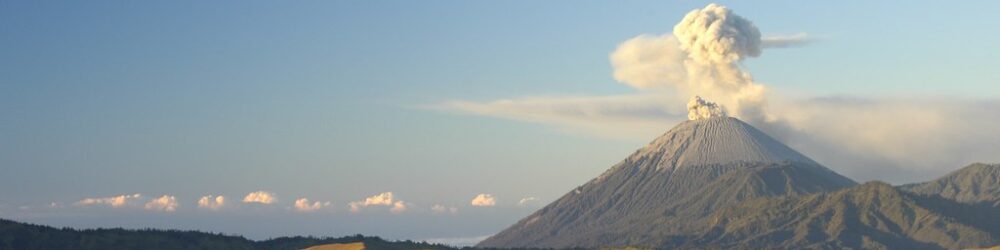
Approaching Mount Gahinga, hikers transition from fertile farmland into dense bamboo forests alive with the calls of golden monkeys. The trail ascends gently, with volcanic stones scattered along the path, reflecting the mountain's volcanic heritage. The air is crisp and cool, especially near the summit. Upon reaching the peak, trekkers find a rare swamp-filled crater surrounded by alpine moorland. Panoramic views of the Virunga volcanic range unfold, offering a profound connection to the region's geological and ecological richness.
Mount Gahinga: Geological Background
Mount Gahinga is the youngest dormant stratovolcano in the Virunga chain, formed approximately 100 years ago. Its summit features a broad, shallow crater now filled with swamp vegetation, a rare volcanic formation in the region. The mountain's slopes are layered with volcanic ash and solidified lava flows. Volcanic stones scattered across the terrain inspired its name, meaning "small piles of stones" in Kinyarwanda. Though fumarolic activity is currently absent, the volcano's geological past continues to influence the area's mineral composition and biodiversity.
Terrain and Hiking Experience on Mount Gahinga
The trek begins on cultivated farmland before entering dense bamboo forests that provide habitat for diverse wildlife. As the trail ascends, volcanic rock and ash dominate the landscape near the summit. Wooden ladders assist hikers on steeper sections. The path is well-maintained but can become slippery during rains. Altitude effects are mild but noticeable near the 3,474-meter peak. Winds intensify at higher elevations, and temperatures drop, requiring layered clothing for comfort and safety.
What Makes the Mount Gahinga Trek Unique
Mount Gahinga offers a distinctive trekking experience due to its extensive bamboo forest habitat, which supports the highest density of golden monkeys in the Virunga ecosystem. The summit's swamp-filled crater is an uncommon volcanic feature, providing a peaceful contrast to typical rocky peaks. The trek also offers opportunities to observe endangered mountain gorillas nearby and to engage with the cultural heritage of the indigenous Batwa people. Its moderate difficulty combined with rich biodiversity makes it accessible and rewarding for a wide range of hikers.
The Summit and Crater Experience
At the summit, trekkers encounter a 180-meter-wide swampy crater lake surrounded by alpine moorland vegetation. The atmosphere is cool and tranquil, punctuated by distant bird calls. From this vantage point, sweeping views of neighboring Virunga volcanoes such as Mount Muhabura and Mount Sabyinyo extend across the horizon. The crater's unique ecosystem invites reflection on the volcano's dormant power and the delicate balance of life it sustains.
Best Time to Trek Mount Gahinga
The optimal trekking periods are during the dry seasons from June to September and December to February. During these months, trails are drier and safer, and visibility across the Virunga range is clearer. The rainy seasons, from March to May and October to November, bring slippery paths and dense fog, increasing the trek's difficulty. Early morning starts are recommended to avoid afternoon rains and to capture the best natural light for photography.
Trekking Routes and Trail Options
The main route to Mount Gahinga begins at the Ntebeko Visitor Center within Mgahinga Gorilla National Park, Uganda. The round-trip trek covers approximately 10 kilometers with an elevation gain of about 1,000 meters. Guided hikes led by Uganda Wildlife Authority rangers are mandatory for safety and conservation. Porters are available to assist with carrying gear. A two-day trekking option includes overnight camping near the summit, allowing for acclimatization and sunrise viewing. Alternative access is possible from Rwanda’s Volcanoes National Park, featuring similar trail conditions.
Difficulty Assessment
Mount Gahinga is rated as a moderate trek. The trail features mostly gradual ascents with some steeper sections aided by wooden ladders. No technical climbing skills are required, but hikers should possess good physical fitness to manage altitude and uneven terrain. The path is suitable for those with prior trekking experience. Weather conditions, especially during the rainy seasons, can increase the difficulty due to slippery surfaces and reduced visibility.
Essential Volcano Trekking Gear
Recommended gear includes sturdy hiking boots with strong grip, trekking poles for balance, and gaiters to protect against bamboo thorns and mud. Layered clothing is essential to adapt to temperature changes, including a windproof jacket and waterproof rain gear. Insect repellent and sun protection such as a hat, sunglasses, and sunscreen are necessary due to limited shade. A headlamp is useful for early morning starts. Carry sufficient water, energy snacks, a first aid kit, and a camera to document wildlife and landscapes.
Safety and Volcanic Hazards
Mount Gahinga is dormant, so volcanic hazards are minimal. However, hikers should remain cautious of slippery trails, loose rocks, and sudden weather changes. Wildlife encounters require maintaining respectful distances, particularly around golden monkeys and mountain gorillas. All treks are accompanied by armed rangers to ensure security. Visitors must adhere to park regulations, stay on marked trails, and follow ranger instructions. Emergency protocols and continuous monitoring by the Uganda Wildlife Authority enhance visitor safety.
Permits, Guides, and Logistics
A hiking permit issued by the Uganda Wildlife Authority is mandatory, costing approximately $80 USD for foreign non-residents. Permits can be obtained at the park headquarters or booked in advance online. Guided hikes with authorized rangers are compulsory to ensure safety and conservation compliance. Porters are available for hire to assist with carrying equipment. Visitors planning to combine volcano trekking with gorilla tracking must secure separate gorilla permits. Early booking is strongly recommended, especially during peak trekking seasons. Park entry fees are included in the permit cost.
Where to Stay Near Mount Gahinga
Accommodation options near Mount Gahinga range from luxury lodges such as Mount Gahinga Gorilla Lodge to eco-camps and guesthouses in Kisoro town. Many lodges offer combined packages that include volcano trekking, gorilla tracking, and golden monkey visits. Staying near the Ntebeko Visitor Center provides convenient early access to trailheads. Facilities vary from rustic to upscale, catering to diverse traveler preferences. It is advisable to book accommodations well in advance during peak trekking periods.