
Mount Muhabura Volcano Trekking Guide: Conquer the Steep Sentinel of the Virunga Mountains
Mount Muhabura, a dormant stratovolcano straddling the Uganda-Rwanda border, offers a demanding full-day trek with steep slopes and a rewarding summit crater lake. This guide covers geology, terrain, routes, permits, safety, and the unique panoramic views of the Virunga range.
Quick Volcano Snapshot
| Volcano type | Stratovolcano |
|---|---|
| Elevation | 4,127 meters |
| Location | Uganda-Rwanda border, Virunga Mountains, East Africa |
| Activity status | Dormant |
| Trekking difficulty | Demanding |
| Typical trek duration | 6 to 8 hours (round trip) |
| Altitude gain | Approximately 1,000 meters |
| Terrain type | Steep ash slopes, volcanic rock, bamboo forest, alpine grasslands |
| Best season | Dry seasons: June to August and December to February |
| Temperature range | 5°C to 20°C depending on altitude and season |
| Permit requirement | Required; available at park headquarters in Kinigi (Rwanda) or Ntebeko (Uganda) |
The Experience of Hiking Mount Muhabura
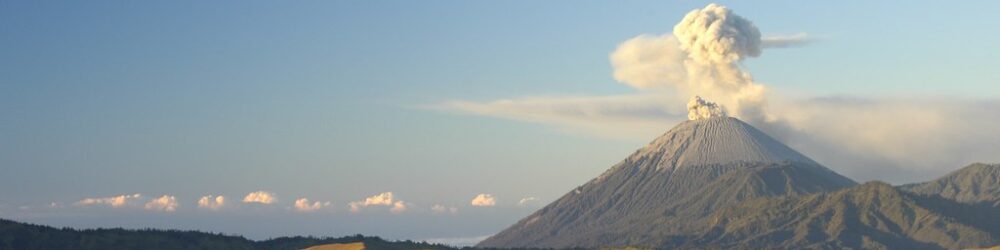
Approaching Mount Muhabura, the landscape shifts dramatically from lush tropical forests to stark volcanic slopes. The steep ascent challenges your endurance as you climb through dense bamboo and alpine grasslands. The summit reveals a serene crater lake, a rare jewel atop this sentinel of the Virunga range. The panoramic views stretch across Rwanda and Uganda, with distant volcanoes and twin lakes painting a breathtaking vista. The emotional surge of standing at this dormant giant’s peak, surrounded by raw geological power and sweeping wilderness, is unforgettable.

Mount Muhabura: Geological Background
Mount Muhabura is a stratovolcano formed by successive lava flows and ash deposits, part of the Virunga volcanic chain along the Albertine Rift. Its last eruption likely occurred during the Holocene, though exact dates are unknown. The volcano features a 40-meter-wide crater lake at its summit, formed by accumulated rainwater in the caldera. The slopes are layered with volcanic ash, pumice, and hardened lava, supporting diverse vegetation zones. Fumaroles and sulfur deposits are minimal, reflecting its dormant status. The mountain’s cone shape and steep slopes are characteristic of stratovolcanoes, shaped by tectonic activity in this rift valley.
Terrain and Hiking Experience on Mount Muhabura
The trek begins in montane forest and bamboo thickets, gradually giving way to steep ash slopes and volcanic scree. Hikers face challenging gradients up to 30 degrees, requiring sure footing on loose volcanic rock. The trail includes two main rest points at 3,116 and 3,885 meters, where climbers catch their breath before tackling the final ascent. Wind intensifies near the summit, and temperatures drop sharply. The terrain demands stamina and balance, with sections of slippery volcanic ash and rocky outcrops. Altitude effects become noticeable above 3,000 meters, making acclimatization and pacing essential.
What Makes Mount Muhabura Trek Unique
Mount Muhabura stands out for its steepness and the rare crater lake at the summit, a striking contrast to many other Virunga volcanoes. The panoramic views include Rwanda’s twin lakes Ruhondo and Burera, neighboring volcanoes, and the distant Rwenzori Mountains. Its position on the Uganda-Rwanda border allows access from two countries, offering diverse cultural and natural experiences. The trek passes through habitats rich in wildlife, including golden monkeys and various bird species. The mountain’s name, meaning 'the Guide,' reflects its historical role as a landmark for travelers.
Summit and Crater Experience on Mount Muhabura
Reaching the summit, hikers are greeted by a tranquil crater lake about 40 meters wide, its cold waters reflecting the sky. The air is thin and crisp, carrying faint scents of damp earth and volcanic minerals. Surrounding the crater, the landscape is drier with sparse vegetation. The panoramic vista reveals the patchwork of farmlands, rolling hills, and the Virunga volcanoes rising majestically. The silence is profound, broken only by the wind and distant bird calls. This summit offers a rare moment to connect deeply with the geological forces that shaped this region.
Best Time to Trek Mount Muhabura
The ideal trekking seasons are the dry months from June to August and December to February, when trails are firm and rainfall minimal. During these periods, visibility is excellent, enhancing summit views. The wet season brings slippery trails and unpredictable rain showers, increasing difficulty and risk. Early morning starts are recommended to avoid afternoon clouds and rain. Volcanic activity is dormant, but weather can change rapidly, so preparedness for cold and wind at altitude is essential.
Trekking Routes and Trail Options
Mount Muhabura can be climbed from two main trailheads: Kinigi Visitor Center in Rwanda and Ntebeko Visitor Center in Uganda. Both routes converge midway and are guided by park rangers. The Rwanda route starts with a 30-minute drive from Musanze town, while the Uganda route begins near Kisoro. The round-trip trek covers approximately 12 kilometers with about 1,000 meters of elevation gain. Hikers can choose to stop at the first rest point (3,116 m) or continue to the summit. Dual permits are required for border-crossing hikes. Porters are available for hire to assist with gear.
Difficulty Assessment of Mount Muhabura Trek
This trek is classified as demanding due to steep slopes, loose volcanic ash, and high altitude. It requires good physical fitness, endurance, and sure-footedness. The trail is non-technical but challenging, with gradients up to 30 degrees and exposure to wind near the summit. Altitude sickness is a risk above 3,000 meters, so acclimatization and hydration are critical. It is not suitable for beginners or those with respiratory or cardiovascular issues.
Essential Gear for Mount Muhabura Volcano Trekking
Key gear includes sturdy hiking boots with good grip for slippery volcanic ash, trekking poles for stability, and gaiters to keep ash out of boots. A windproof and waterproof jacket is essential due to unpredictable tropical mountain weather. Layered clothing helps manage temperature shifts. Carry a headlamp for early starts, sun protection including hat and sunscreen, and sufficient water and snacks. A basic first aid kit and a lightweight gas mask or respirator are optional but recommended for sensitive individuals due to occasional volcanic gases.
Safety and Volcanic Hazards on Mount Muhabura
Though dormant, Mount Muhabura’s steep slopes pose risks of slips and falls on loose scree and ash. Crater edges can be unstable; hikers should keep a safe distance. Sudden weather changes can cause hypothermia or disorientation. Volcanic gases are minimal but caution is advised for sensitive trekkers. Always hike with a licensed guide and follow park regulations. Monitoring agencies in Uganda and Rwanda provide updates on volcanic activity and trail conditions.
Permits, Guides, and Logistics for Mount Muhabura Trek
Permits are mandatory and cost approximately $75 for foreign non-residents, with reduced rates for residents. They can be purchased on-site at Kinigi (Rwanda) or Ntebeko (Uganda) visitor centers, often without prior booking. Guided hikes are required for safety and conservation, with groups led by experienced park rangers. Hiring porters is optional but recommended for carrying heavy gear. Border-crossing treks require dual permits from both countries. Early morning briefings cover safety, route details, and environmental guidelines.
Where to Stay Near Mount Muhabura
Accommodations near Mount Muhabura include lodges and eco-camps in Musanze (Rwanda) and Kisoro (Uganda), both within 1-2 hours’ drive of trailheads. Options range from budget guesthouses to mid-range lodges offering guided tours and transport. Volcano lodges provide immersive experiences with views of the Virunga range. Staying near the park headquarters facilitates early starts and access to briefing centers. Booking in advance is advised during peak trekking seasons.