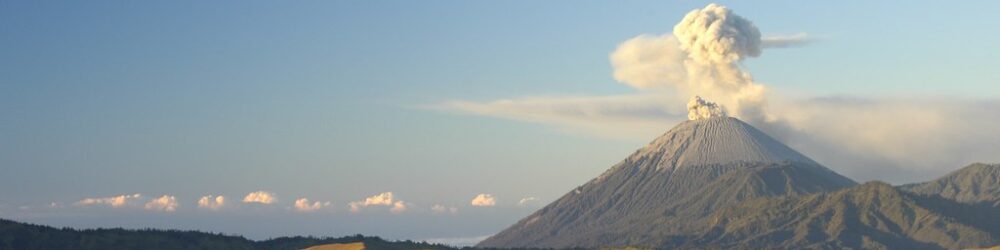

Hiking Mount Hekla: The Ultimate Guide to Iceland’s Gateway to Hell Volcano Trek
Mount Hekla, Iceland’s most active stratovolcano, offers a thrilling trek through rugged lava fields and steaming fumaroles. This guide covers geology, routes, safety, and practical tips for conquering the legendary Gateway to Hell.
Quick Volcano Snapshot
| Volcano type | Stratovolcano |
|---|---|
| Elevation | 1491 meters (4892 feet) |
| Location | South Iceland, Iceland |
| Activity status | Active |
| Trekking difficulty | Moderate to Demanding |
| Typical trek duration | 3 to 5 hours round-trip |
| Altitude gain | Approximately 500 meters from trailhead |
| Terrain type | Lava fields, ash slopes, rocky ridges |
| Best season | June to September |
| Temperature range | 0°C to 10°C (32°F to 50°F) in summer; colder at summit |
| Permit requirement | No formal permit, but guided hikes recommended |
The Experience of Hiking Mount Hekla
Approaching Mount Hekla, the landscape unfolds in stark contrasts: vast black lava fields stretch beneath a brooding sky, while distant glaciers shimmer on the horizon. The air hums with ancient power, a reminder of the volcano’s fiery heart beneath your feet. As you ascend, the barren terrain sharpens your senses — every step crunches on volcanic rock, and sulfurous steam vents punctuate the silence. Reaching the crater rim, a panorama of Iceland’s wild highlands opens, and the raw energy of this legendary volcano is palpable. It’s a journey into Earth’s primal forces, where nature’s fury and beauty collide.
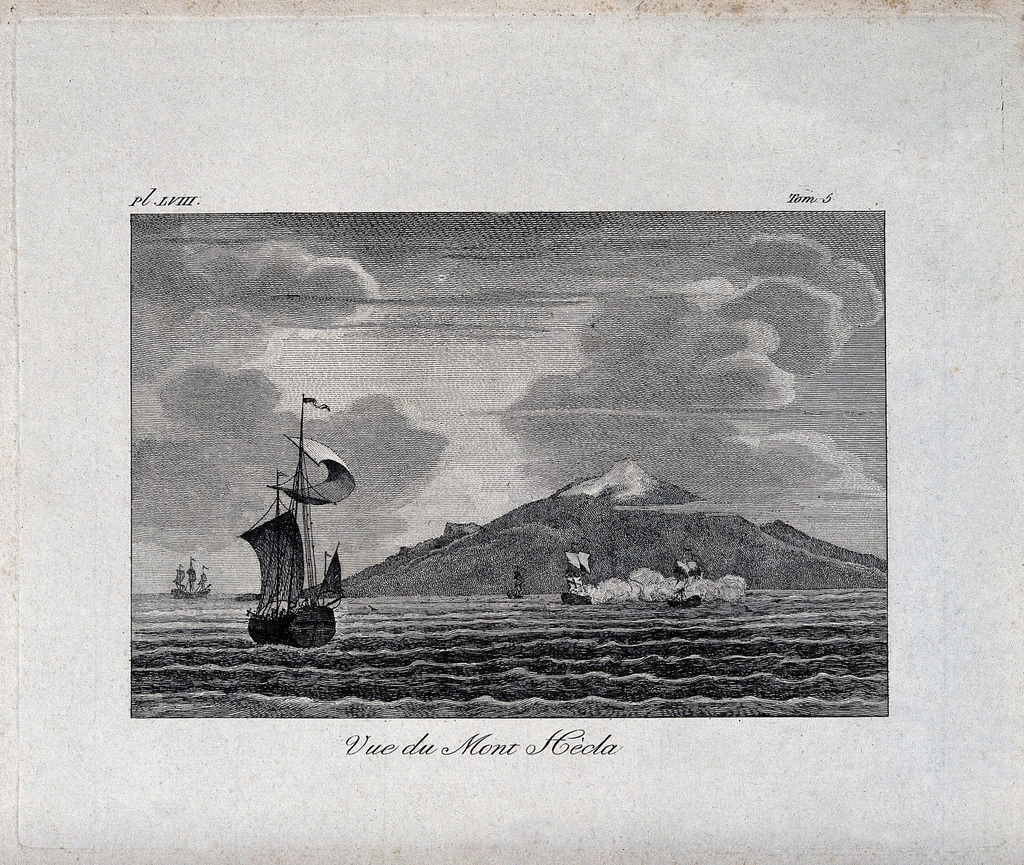
Mount Hekla: Geological Background
Mount Hekla is a classic stratovolcano formed along a 40-kilometer volcanic fissure called Heklugjá. Its layered structure results from repeated explosive eruptions and lava flows over centuries. Known as the “Gateway to Hell” in medieval times, Hekla has erupted over 20 times since Iceland’s settlement in 874 AD. Its eruptions have shaped more than 10% of Iceland’s landmass. The volcano’s summit features multiple craters, fumaroles emitting sulfurous gases, and fresh lava fields. Unique geological formations include palagonite ridges and obsidian flows. Hekla’s activity is often sudden, with little seismic warning, making it a fascinating but unpredictable giant.
Terrain and Hiking Experience on Mount Hekla
The trek to Hekla’s summit traverses rugged lava fields and steep ash slopes. Early sections feature loose volcanic scree and sharp obsidian rocks requiring careful footing. As you climb higher, the trail narrows along exposed ridges with strong winds common near the summit. The terrain demands stamina and surefootedness, with occasional snow patches even in summer. Altitude effects are mild but noticeable. The volcanic landscape is stark and raw, with steaming fumaroles and sulfur deposits adding to the otherworldly atmosphere. The hike is physically challenging but rewarding for those prepared.
What Makes the Mount Hekla Trek Unique
Mount Hekla’s reputation as Iceland’s most active volcano and its dramatic eruptive history set it apart. The trek offers a rare chance to walk on fresh lava fields and witness steaming vents close-up. Unlike many volcanoes, Hekla’s activity can begin with minimal warning, adding an edge of adventure. The panoramic views include vast volcanic deserts, distant glaciers, and the Mid-Atlantic Ridge’s geological scars. The blend of raw volcanic power, folklore, and Icelandic wilderness makes this trek a singular experience for volcano enthusiasts.
Summit and Crater Experience on Mount Hekla
Reaching Hekla’s summit crater is a sensory climax. The sulfurous smell is sharp and unmistakable, mingling with the crisp mountain air. Steam rises from fumaroles, and the ground beneath radiates residual heat. The crater rim offers sweeping views of Iceland’s highlands, glaciers like Vatnajökull, and endless volcanic landscapes. The silence is profound, broken only by the hiss of escaping gases and the whistle of the wind. Standing here, you feel the immense geological forces that have shaped this land and the volatile power still simmering beneath.
Best Time to Trek Mount Hekla
The optimal trekking season runs from June to September when snow cover is minimal and weather conditions are most stable. Even in summer, temperatures near the summit can be near freezing, and strong winds are common. Winter climbs are possible but require advanced skills and glacier equipment. Due to Hekla’s active status, hikers must monitor volcanic activity reports and heed safety warnings. Early morning starts are recommended to avoid afternoon winds and to enjoy clearer views. Avoid the monsoon and winter months when access is limited and hazardous.
Routes and Trail Options on Mount Hekla
The primary route begins at the trailhead accessible via Route 26 and a 4×4 track. Many visitors use Super Jeep tours to reach higher elevations before hiking the final ascent. The full hike covers about 3 to 5 hours round-trip, with an elevation gain of roughly 500 meters. The trail is marked but rugged, crossing lava fields and ash slopes. Guided hikes are strongly recommended due to volcanic risks and challenging terrain. Alternative routes exist for experienced mountaineers, including glacier-assisted climbs requiring technical gear.
Difficulty Assessment of the Mount Hekla Trek
Mount Hekla’s trek is classified as moderate to demanding. The terrain is uneven and rocky, requiring good balance and fitness. Altitude is moderate but combined with volcanic scree and wind exposure, it challenges many hikers. No technical climbing is required on the standard route, but glacier equipment is necessary for summit approaches involving snowfields. Fitness levels should be above average, and prior experience with volcanic terrain is beneficial. Novice hikers should consider guided tours for safety.
Essential Gear for Hiking Mount Hekla
Key gear includes sturdy hiking boots with excellent grip for lava and scree, trekking poles for stability, and volcanic ash gaiters to protect against fine particles. A windproof and waterproof jacket is crucial due to unpredictable weather. For summit climbs, glacier equipment such as crampons and ice axes are necessary. A gas mask or respirator is recommended to mitigate sulfur gas exposure near fumaroles. Additional essentials include a headlamp for early starts, hydration systems, layered clothing for temperature shifts, and sun protection since shade is minimal.
Safety and Volcanic Hazards on Mount Hekla
Hekla’s active status means sudden eruptions can occur with little warning. Volcanic gases like sulfur dioxide pose respiratory risks near fumaroles. Unstable crater edges and loose scree increase fall hazards. Falling rocks and rapid weather changes add to the danger. Visitors must consult official monitoring agencies and follow www.safetravel.is for real-time alerts. Guided hikes improve safety by providing expert knowledge and emergency protocols. Always inform others of your plans and carry communication devices suitable for remote areas.
Permits, Guides, and Logistics for Mount Hekla
No formal permits are required to hike Mount Hekla, but guided tours are strongly advised due to volcanic risks. Access roads require 4×4 vehicles, and many trails start from remote locations reachable only by Super Jeep or similar. Park entry fees do not apply, but tour operators charge for guided hikes and vehicle transport. Seasonal closures may occur during high-risk volcanic activity or winter conditions. Booking in advance is recommended, especially for guided tours that provide glacier gear and safety briefings.
Where to Stay Near Mount Hekla
Accommodation options near Mount Hekla include guesthouses and eco-lodges in the South Iceland region, particularly around the town of Hella. These bases offer convenient access to trailheads and 4×4 rental services. For a more immersive experience, some travelers opt for mountain huts or campsites in the Highlands, though facilities are minimal. Booking early is advised during peak season. Staying in Reykjavik is also possible, but it requires longer daily travel to the volcano.
