
Trekking Mount Tongariro: The Ultimate Guide to New Zealand’s Iconic Volcanic Crossing
Mount Tongariro’s demanding 19.4 km alpine crossing offers trekkers a raw volcanic landscape of steaming craters, emerald lakes, and rugged ridges. This guide covers geology, terrain, routes, safety, and cultural insights for an unforgettable volcano trek in New Zealand’s North Island.
Quick Volcano Snapshot
| Volcano type | Complex volcano |
|---|---|
| Elevation | 1967 m |
| Location | North Island, New Zealand |
| Activity status | Active |
| Trekking difficulty | Demanding |
| Typical trek duration | 7–8 hours |
| Altitude gain | Approx. 600 m |
| Terrain type | Volcanic rock, ash slopes, crater rims, alpine terrain |
| Best season | Late November to April |
| Temperature range | -5°C to 15°C (varies with altitude and season) |
| Permit requirement | No permit required for day hike; booking system and shuttle coordination apply |
The Experience of Hiking Mount Tongariro
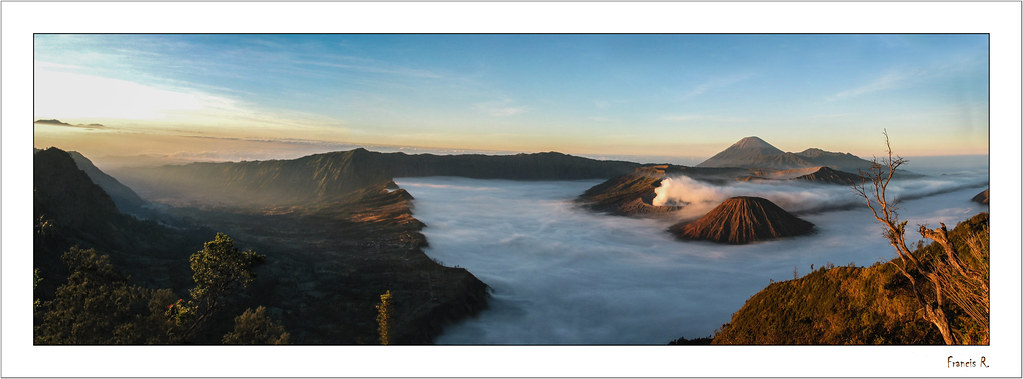
Approaching Mount Tongariro, trekkers enter a stark, otherworldly volcanic realm where barren lava fields contrast sharply with the lush forests below. The air carries a faint sulfur scent as steam vents hiss from the earth. Each step on the rugged trail reveals jagged craters and vibrant emerald lakes nestled in volcanic basins. The climb challenges the body and stirs the soul, culminating in a breathtaking panorama from the Red Crater rim. Standing here, surrounded by steaming vents and vast volcanic plains, you feel the raw power of the Earth beneath your feet.
Mount Tongariro: Geological Background
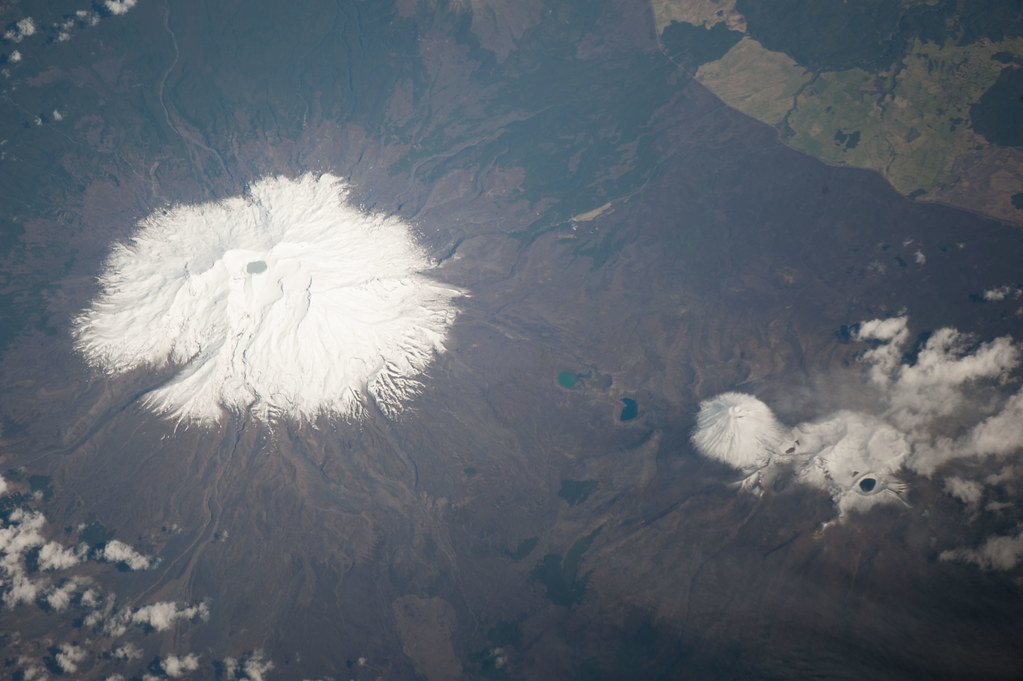
Mount Tongariro is a complex volcano formed by multiple overlapping cones and craters. It sits within Tongariro National Park, a UNESCO World Heritage site recognized for its natural and cultural significance. The volcano’s formation spans hundreds of thousands of years, shaped by repeated eruptions that deposited layers of lava and ash. Notable eruptions have created distinctive features like the Red Crater, where sulfur deposits color the soil red and steam vents release volcanic gases. The terrain includes ancient lava flows, fumaroles, and mineral-rich lakes, offering a vivid glimpse into volcanic processes.
Terrain and Hiking Experience on the Tongariro Alpine Crossing
The trek begins with gentle slopes through tussock and volcanic scree before ascending the steep 'Devil’s Staircase' to the alpine saddle. Hikers navigate loose pumice, sharp volcanic rocks, and exposed ridges with little shelter from wind or sun. The trail crosses two craters, including the vast South Crater, providing flat respite before the final climb to the Red Crater summit. Descents involve scree slopes and uneven volcanic terrain. Altitude and weather shifts demand strong fitness and layered clothing. The landscape’s raw volcanic textures create a challenging yet mesmerizing hiking experience.
What Makes the Tongariro Trek Unique
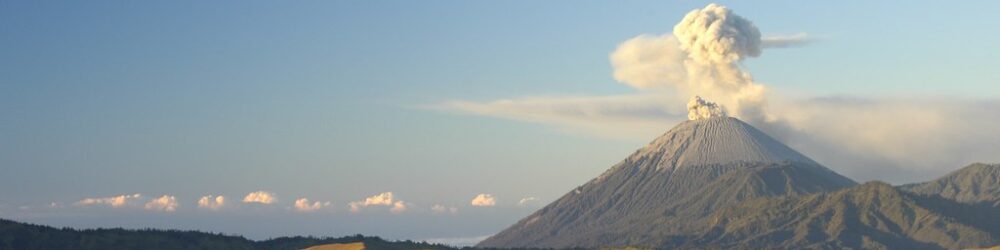
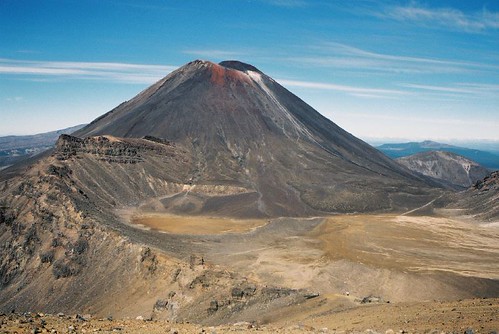
Mount Tongariro’s trek is distinguished by its multi-peak volcanic landscape featuring steaming fumaroles, vivid emerald lakes, and the iconic Red Crater. The crossing passes through a volcanic desert that feels almost extraterrestrial. Its cultural significance to the Māori people adds depth, with sacred sites and legends woven into the terrain. The proximity to Mount Ngauruhoe, famously known as Mount Doom from The Lord of the Rings, enhances the trek’s cinematic allure. This blend of active geology, striking colors, and cultural heritage makes Tongariro a singular volcano trekking destination.
The Summit and Crater Experience
Reaching the Red Crater summit, hikers encounter steaming vents emitting sulfurous gases that tint the air with a pungent aroma. The red-hued volcanic soil contrasts with the deep blue of nearby Emerald Lakes. The crater rim offers panoramic views across the volcanic plateau, distant peaks, and Lake Taupō. The ground beneath is warm in places, and the sound of escaping gases punctuates the silence. This sensory immersion—sight, smell, sound, and touch—creates a profound connection to the volcano’s living power.
Best Time to Trek Mount Tongariro
The optimal trekking season runs from late November to April when trails are mostly snow-free and shuttle services operate reliably. Summer months bring milder temperatures but can also produce sudden weather changes, including strong winds and cold snaps. Winter crossings require alpine gear and experience due to snow and ice hazards. Early starts are recommended to avoid afternoon storms and crowds. Always check volcanic activity updates and weather forecasts before setting out.
Routes and Trail Options
The classic Tongariro Alpine Crossing is a 19.4 km one-way route starting at Mangatepopo and ending at Ketetahi Hot Springs. This direction minimizes climbing and is preferred by most hikers. Shuttle services connect trailheads, simplifying logistics. Side trips to Mount Ngauruhoe’s summit are prohibited out of respect for Māori cultural restrictions. Alternative multi-day circuits exist within Tongariro National Park for those seeking extended exploration, with accommodation options at huts and lodges along the way.
Difficulty Assessment
The Tongariro Alpine Crossing is classified as a demanding volcano trek. It involves steep ascents, exposed ridges, and uneven volcanic terrain over nearly 20 km. Altitude peaks around 1880 m, which can affect breathing and stamina. No technical climbing skills are required, but strong fitness, good balance, and preparation for rapid weather changes are essential. This trek suits experienced hikers comfortable with alpine conditions and long day hikes.
Essential Volcano Trekking Gear
Key gear includes sturdy hiking boots with excellent grip for volcanic rock and scree, trekking poles to aid balance on loose terrain, and gaiters to keep volcanic ash out of boots. Layered clothing is vital to adapt to temperature swings and wind. A windproof and waterproof jacket protects against sudden weather changes. Carry at least 2–3 liters of water as natural sources are unsafe to drink. A headlamp is recommended for early starts. Sun protection—hat, sunglasses, and sunscreen—is crucial due to high UV exposure and lack of shade.
Safety and Volcanic Hazards
Volcanic gases like sulfur dioxide can cause respiratory irritation; hikers sensitive to fumes should take precautions. Crater edges are unstable and require caution to avoid falls. Loose scree and sharp volcanic rocks increase the risk of slips and injuries. Sudden weather changes can bring cold temperatures and strong winds. The Department of Conservation monitors volcanic activity and issues warnings; always check current alerts before trekking. Respect all closures and cultural restrictions to ensure safety and preserve the environment.
Permits, Guides, and Logistics
No permit is required for the Tongariro Alpine Crossing day hike, but a booking system manages visitor numbers. Shuttle services between trailheads must be arranged in advance. Guided tours are available and recommended for winter or less experienced hikers. Respect Māori cultural protocols, including avoiding summits of sacred peaks. The Department of Conservation provides up-to-date trail and volcanic activity information. Planning logistics carefully ensures a smooth and safe trekking experience.
Where to Stay Near Mount Tongariro
Accommodation options include lodges and hostels in nearby towns like National Park Village and Whakapapa Village, which offer proximity to trailheads and shuttle services. Eco camps and DOC huts within Tongariro National Park provide multi-day trekking bases. Booking in advance is advised during peak season. These bases offer essential amenities and a chance to rest before or after the demanding crossing.