
Hiking Mount Yasur: The Ultimate Guide to Trekking Vanuatu’s Most Accessible Active Volcano
Mount Yasur on Tanna Island, Vanuatu, offers one of the world’s most accessible active volcano treks. This guide covers its geology, trekking routes, safety protocols, cultural significance, and practical tips for an unforgettable volcanic adventure.
Quick Volcano Snapshot
| Volcano type | Stratovolcano |
|---|---|
| Elevation | 361 meters |
| Location | Tanna Island, Vanuatu |
| Activity status | Active |
| Trekking difficulty | Easy |
| Typical trek duration | 2 to 3 hours round trip |
| Altitude gain | Approximately 300 meters |
| Terrain type | Volcanic ash slopes, lava rock, loose gravel |
| Best season | May to October (dry season) |
| Temperature range | 22°C to 30°C (72°F to 86°F) |
| Permit requirement | Entrance fee required; guided tours recommended |
The Experience of Hiking Mount Yasur
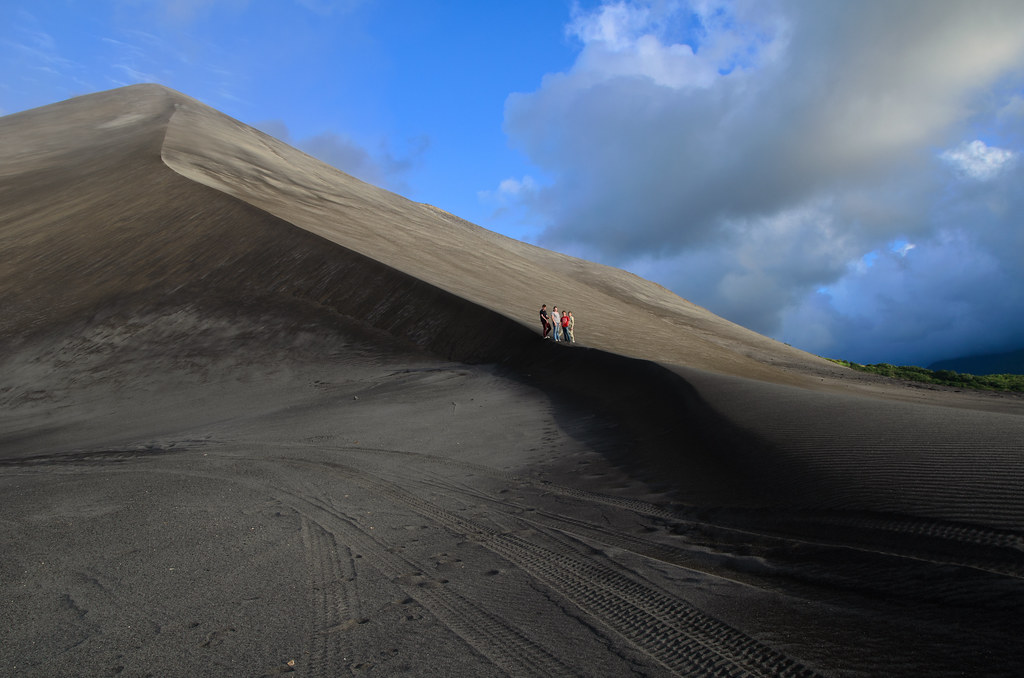
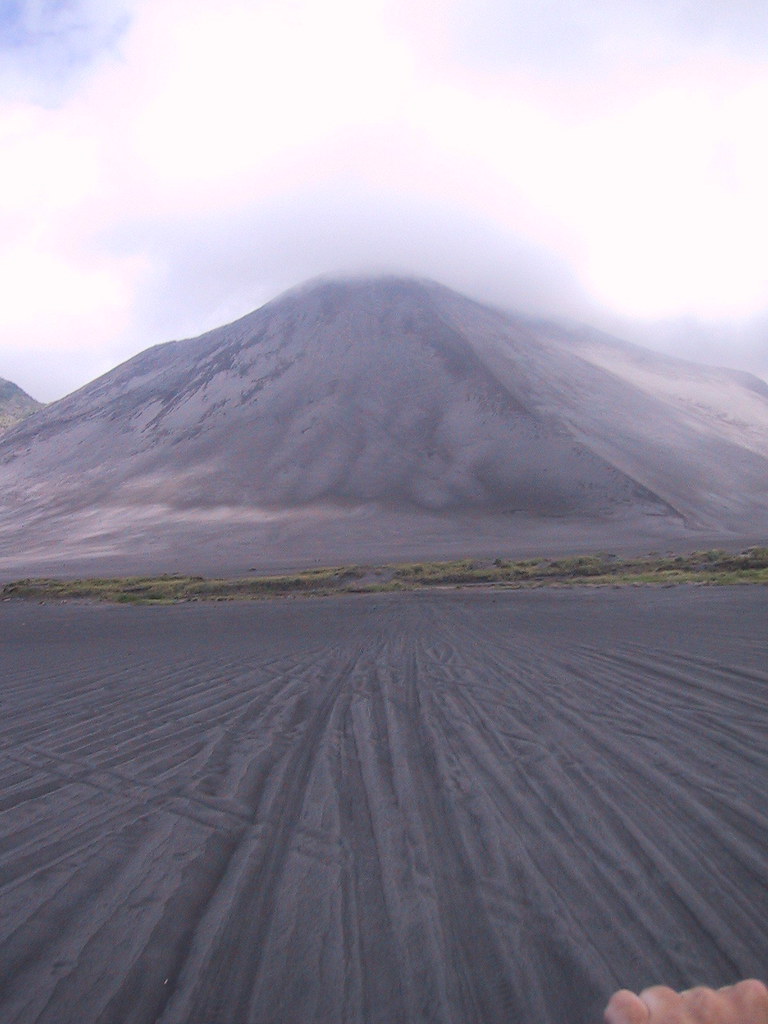
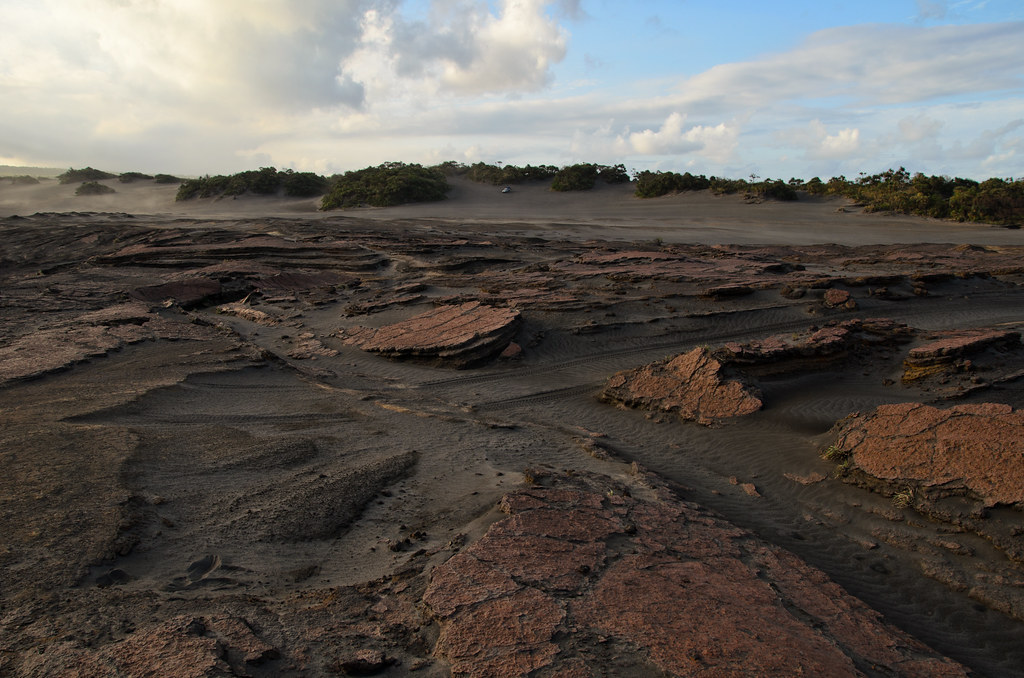
Approaching Mount Yasur, the landscape shifts dramatically from lush tropical greenery to stark volcanic ash plains. The air vibrates with the deep rumbles of ongoing eruptions, a constant reminder of the Earth’s raw power beneath your feet. Climbing the volcano, you feel the tension of nature’s forces, the barren lava terrain contrasting sharply with the vibrant island life below. Reaching the crater rim, the spectacle of glowing lava bursts and incandescent bombs exploding against the night sky is both humbling and exhilarating, an intimate encounter with an active planet.

Mount Yasur: Geological Background
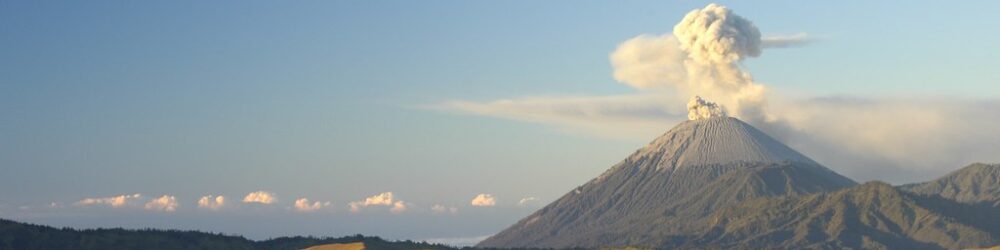
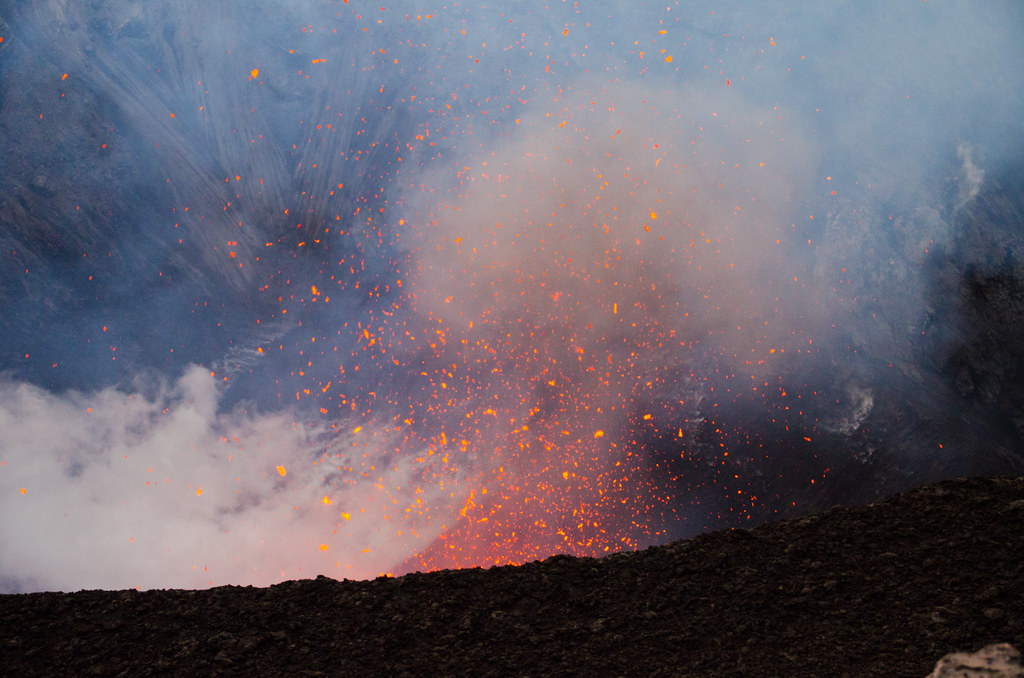
Mount Yasur is a classic stratovolcano formed by layers of hardened lava, ash, and volcanic rocks. It has been erupting almost continuously for several hundred years, producing frequent strombolian eruptions characterized by rhythmic bursts of incandescent lava and volcanic bombs. The volcano’s crater features active fumaroles emitting sulfurous steam and vibrant mineral deposits. Its lava flows have shaped the surrounding terrain, creating rugged fields of black volcanic rock. This persistent activity makes Yasur a living laboratory of volcanic processes and a rare opportunity to witness ongoing geological phenomena.
Terrain and Hiking Experience on Mount Yasur
The trek begins amid tropical vegetation, with ferns and palms giving way to sparse, hardy plants adapted to volcanic soils. The trail ascends over loose volcanic ash, gravel, and jagged lava rocks. Some sections are steep but manageable, requiring careful footing on uneven terrain. The volcanic dust can be slippery, and wind near the summit intensifies the challenge. Despite the modest altitude, the exposed crater rim demands alertness due to loose scree and occasional volcanic debris. The hike offers a sensory journey through contrasting landscapes, from vibrant island flora to the stark, dynamic volcanic summit.
What Makes Mount Yasur Trek Unique
Mount Yasur’s claim to fame is its unparalleled accessibility to an active volcano’s crater rim, allowing hikers to safely witness spectacular strombolian eruptions up close. Unlike many remote volcanoes, Yasur’s frequent, predictable bursts of lava and ash create a mesmerizing natural fireworks display. The cultural reverence of the local Melanesian people adds depth to the experience, blending geology with living tradition. The tropical island setting, combined with the volcano’s fiery heart, creates a surreal environment unmatched anywhere else on Earth.
The Summit and Crater Experience
Standing on the crater rim, the ground trembles beneath your feet as the volcano rumbles and erupts. Molten lava arcs skyward, glowing bright orange against the darkening sky. The sulfurous scent of volcanic gases fills the air, mingling with the cool ocean breeze. Each explosion sends a shower of incandescent rocks and ash, punctuated by deep booms that echo across the island. The panoramic views stretch over Tanna’s lush forests and the surrounding Pacific Ocean, a breathtaking contrast to the fiery spectacle below. It is a sensory immersion into the planet’s primal forces.
Best Time to Trek Mount Yasur
The ideal trekking season runs from May to October during Vanuatu’s dry months, offering clearer skies and safer trail conditions. Evening and early morning visits maximize visibility of glowing lava eruptions against dark skies. The wet season brings heavy rains and slippery trails, increasing hazards. Volcanic activity levels are monitored continuously; access to the crater rim is restricted during heightened activity for safety. Planning your trek around these factors ensures the best and safest experience.
Trekking Routes and Trail Options
The primary route starts at the Mount Yasur Visitor Center, ascending approximately 300 meters over a 4-kilometer one-way trail. Visitors can choose to hike the entire way or take a 4×4 vehicle partway before continuing on foot. The trail is well-marked and maintained, with local guides available to enhance safety and interpret volcanic activity. Guided tours typically last 2 to 3 hours round trip, including time at the crater rim. Self-guided options exist but are less common due to safety considerations.
Difficulty Assessment
Mount Yasur is classified as an easy volcano trek suitable for most fitness levels. The trail’s moderate incline and short distance make it accessible, though uneven volcanic terrain requires sure-footedness. No technical climbing skills are needed, and altitude is low enough to avoid significant effects. The main challenges are navigating loose volcanic ash and managing exposure to wind and volcanic gases near the summit. Overall, it is an ideal active volcano experience for adventurous beginners and seasoned hikers alike.
Essential Volcano Trekking Gear
Recommended gear includes sturdy hiking boots with good grip for volcanic rock and ash, trekking poles for stability, and gaiters to keep ash out of boots. A windproof jacket and layered clothing protect against summit winds and temperature drops. A headlamp is essential for evening or early morning climbs to view eruptions in darkness. Sun protection—hat, sunglasses, and sunscreen—is vital due to minimal shade. Carry sufficient water and a basic gas mask or respirator if sensitive to volcanic gases. A camera with long exposure capability is ideal for capturing eruption visuals.
Safety and Volcanic Hazards
Mount Yasur’s active status presents hazards including volcanic gases, sudden eruptions, falling rocks, and unstable crater edges. Visitors must heed local guides and official activity level warnings. Access to the crater rim is restricted during high activity. Protective gear and maintaining a safe distance from eruption vents are critical. Weather changes can be abrupt, increasing risk on exposed slopes. The Vanuatu Meteorology and Geohazards Department monitors volcanic activity and issues alerts. Respecting safety protocols ensures a thrilling yet secure experience.
Permits, Guides, and Logistics
An entrance fee is required to access Mount Yasur, payable at the Visitor Center. While self-guided visits are possible, hiring a local guide is strongly recommended for safety and cultural insight. Guides monitor volcanic activity and manage visitor access to the crater rim. Tours can be booked through local operators or accommodations on Tanna Island. Seasonal closures may occur during elevated volcanic activity. Planning transport from Tanna’s Whitegrass Airport and arranging accommodations in advance are essential for smooth logistics.
Where to Stay Near Mount Yasur
Accommodation options on Tanna Island range from rustic beachfront bungalows and eco-lodges to modest guesthouses in nearby villages. Many lodges offer packages including guided volcano tours and transport. Staying in the village of Tanna or near the Visitor Center provides convenient access to the trailhead. Facilities are basic, often with intermittent electricity and cold water, reflecting the island’s remote nature. Early booking is advised during peak season to secure preferred lodging close to the volcano.