
Mount Rinjani Volcano Trekking Guide: Conquer Indonesia’s Majestic Stratovolcano and Crater Lake
Mount Rinjani, Indonesia’s second-highest active stratovolcano, offers a demanding trek through volcanic landscapes, tropical forests, and a stunning crater lake. This guide covers geology, routes, safety protocols, gear, permits, and cultural insights for an unforgettable adventure on Lombok Island.
Quick Volcano Snapshot
| Volcano type | Stratovolcano |
|---|---|
| Elevation | 3,726 meters |
| Location | Lombok, Indonesia |
| Activity status | Active |
| Trekking difficulty | Demanding |
| Typical trek duration | 3 to 4 days |
| Altitude gain | Approx. 2,100 meters |
| Terrain type | Volcanic ash slopes, lava fields, tropical rainforest, crater lake |
| Best season | April to December (dry season) |
| Temperature range | Near freezing at summit to tropical at base |
| Permit requirement | Mandatory trekking permit and certified guide |
The Experience of Hiking Mount Rinjani
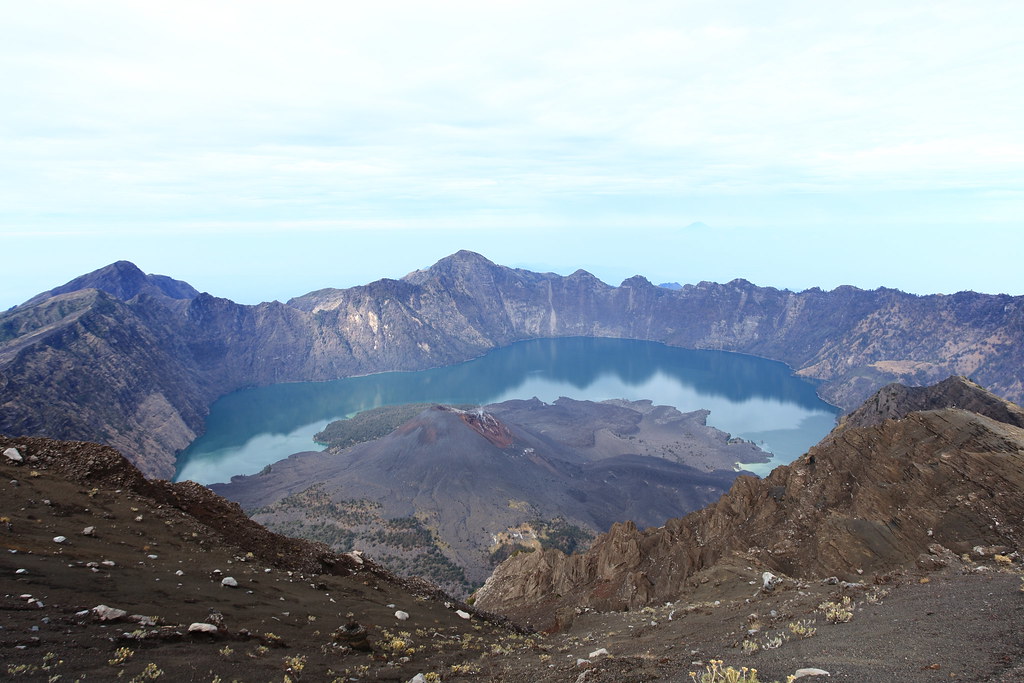
Approaching Mount Rinjani, the landscape shifts dramatically from lush tropical forests to stark volcanic ash and jagged lava fields. The towering stratovolcano commands the horizon, its massive caldera cradling a turquoise crater lake that shimmers like a gem. Each step upward reveals raw geological power — steam vents hiss, sulfur scents linger, and the earth’s heat pulses beneath your feet. Reaching the summit, the panorama unfolds: endless ocean, distant islands, and the active cone of Barujari. The emotional surge of standing on this fiery giant’s rim is profound — a blend of awe, respect, and exhilaration.
Mount Rinjani: Geological Background
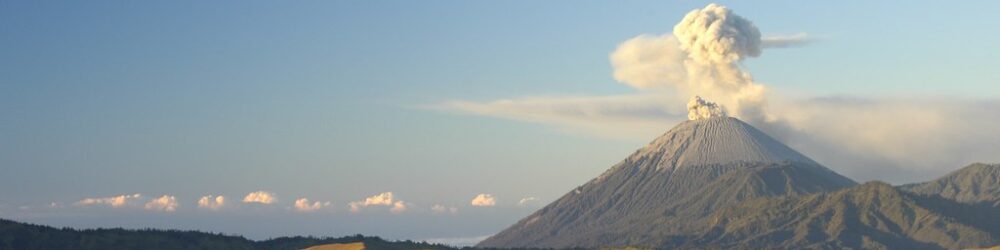
Mount Rinjani is a classic stratovolcano formed by layers of hardened lava, ash, and volcanic debris. It rises 3,726 meters above sea level on Lombok Island and is part of the Sunda Arc volcanic chain. Its formation dates back hundreds of thousands of years through repeated eruptions. The volcano’s defining feature is its large caldera, approximately 6 by 8 kilometers wide, housing Segara Anak, a deep crater lake formed after a massive eruption in the 13th century. Active fumaroles and sulfur deposits dot the landscape, while the younger cone, Barujari, frequently emits steam and occasional lava flows. The mineral-rich volcanic soils support diverse ecosystems around the mountain’s base.
Terrain and Hiking Experience on Mount Rinjani
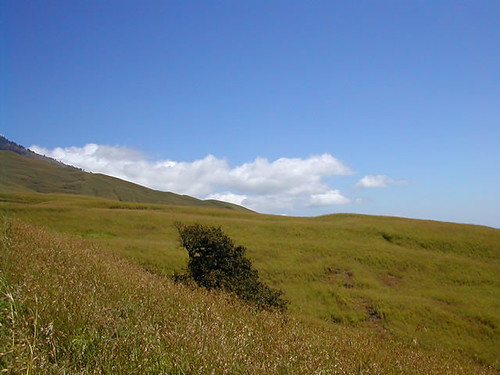
The trek covers varied terrain: dense tropical rainforest at lower elevations, open savannah, steep volcanic ash slopes, and rugged lava rock near the summit. Trails are often steep and unstable, with loose scree and sharp volcanic stones requiring careful footing. Altitude gain exceeds 2,000 meters, challenging cardiovascular endurance. Weather can shift rapidly — fog, rain, and cold winds near the summit contrast with humid jungle heat below. The trail demands stamina and agility, with sections of scrambling and exposed ridges. Trekking poles and sturdy boots are essential to navigate the shifting volcanic terrain safely.
What Makes Mount Rinjani Trek Unique
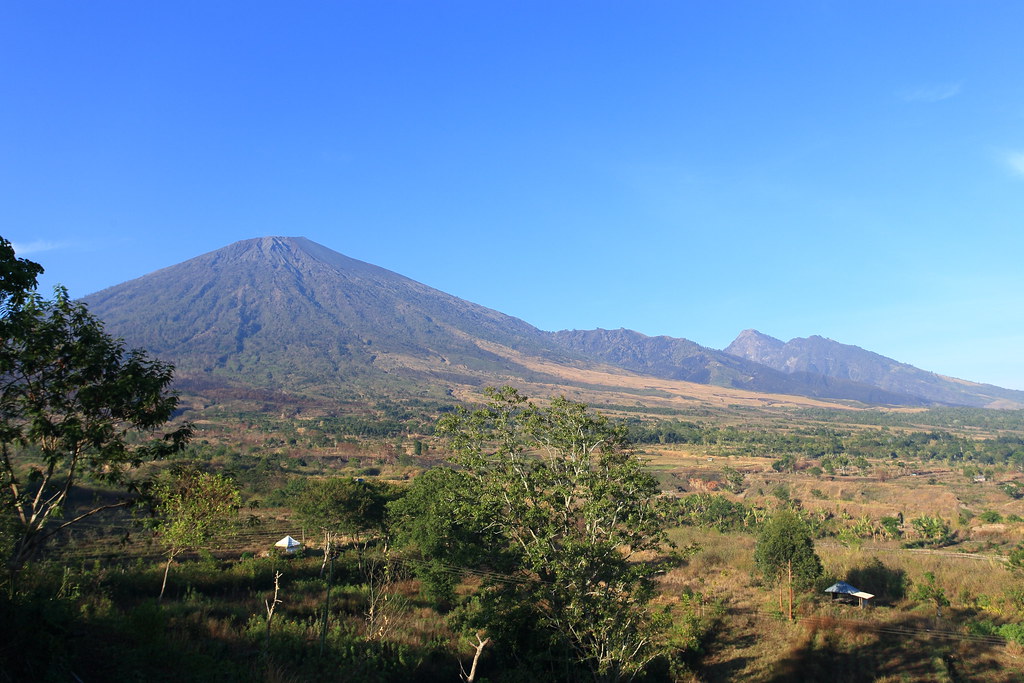
Mount Rinjani’s trek is distinguished by its massive volcanic caldera containing the stunning Segara Anak crater lake, a rare feature among active volcanoes. The presence of the active Barujari cone within the caldera adds dynamic volcanic activity visible to trekkers. The route blends tropical rainforest biodiversity with barren volcanic deserts, offering diverse ecosystems in one journey. Cultural encounters with the Sasak people enrich the experience, as the mountain holds spiritual significance. The dramatic sunrise views above the clouds and the opportunity to bathe in natural hot springs near the crater lake complete this unparalleled volcanic adventure.
Summit and Crater Experience
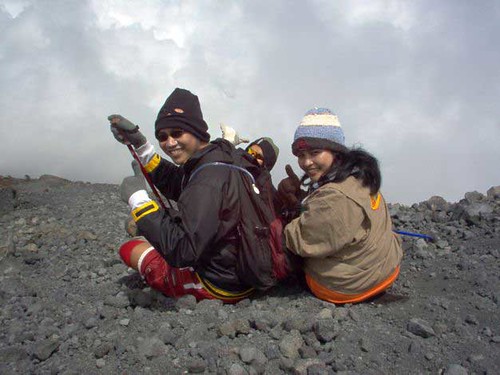
Reaching Mount Rinjani’s summit is a sensory crescendo. The air thins and chills; sulfurous steam vents hiss nearby. The smell of sulfur is sharp and unmistakable, mingling with the crisp mountain air. The crater rim offers sweeping views of the vast caldera lake below, the active Barujari cone emitting plumes of steam, and the surrounding islands and ocean stretching to the horizon. The ground radiates residual heat, and the sound of escaping volcanic gases punctuates the silence. This moment embodies the raw, elemental force of Earth’s geology, leaving trekkers with a profound sense of connection and accomplishment.
Best Time to Trek Mount Rinjani
The optimal trekking season runs from April to December, coinciding with the dry months. Trails are more stable, and summit visibility is at its peak. The wet season from January to March brings heavy rains, slippery paths, and increased risk of landslides, leading to official trail closures. Early morning summit climbs are favored to avoid afternoon winds and cloud cover. Weather conditions can change rapidly, so trekkers must be prepared for cold temperatures near the summit, often near freezing, even during the dry season.
Routes and Trail Options on Mount Rinjani
Mount Rinjani offers three main trekking routes: Senaru, Sembalun, and Torean. The Senaru Route starts at 601 meters elevation, winding through dense rainforest and waterfalls, leading to the crater lake — favored by nature lovers and moderate trekkers. The Sembalun Route begins at 1,156 meters, crossing open savannah and offering the most direct and challenging path to the summit, preferred by experienced hikers. The lesser-known Torean Route features hidden waterfalls and a gentler ascent, ideal for those seeking solitude. All routes require official permits and certified guides, with typical trek durations of 3 to 4 days.
Difficulty Assessment of Mount Rinjani Trek
Mount Rinjani is classified as a demanding volcano trek. The combination of steep ascents, loose volcanic scree, and high altitude requires good physical fitness and trekking experience. Altitude sickness risk increases above 2,500 meters, necessitating acclimatization and slow ascent. The terrain demands surefootedness and stamina, with no technical climbing but challenging conditions. This trek is unsuitable for beginners without preparation. Proper training, acclimatization, and adherence to safety protocols are essential for a successful ascent.
Essential Gear for Mount Rinjani Trekking
Key gear includes sturdy hiking boots with ankle support and good grip for volcanic scree, trekking poles for stability on steep and loose terrain, and volcanic ash gaiters to protect against fine ash. Layered clothing is vital: thermal base layers, fleece, waterproof and windproof jackets, gloves, and beanie for summit cold. A reliable headlamp is essential for pre-dawn summit climbs. Carry at least 3 liters of water with purification tablets or filters. A first aid kit with altitude sickness remedies, blister plasters, and personal medications is mandatory. Sun protection is critical due to minimal shade on exposed slopes.
Safety and Volcanic Hazards on Mount Rinjani
Mount Rinjani’s hazards include unstable crater edges, loose scree causing slips, falling rocks, and exposure to volcanic gases like sulfur dioxide. Rapid weather changes can bring fog, rain, and cold temperatures, increasing risk. Altitude sickness is a serious concern above 2,500 meters. Since 2018, trekking without a certified local guide is prohibited to enhance safety. Emergency infrastructure is minimal; evacuation relies on local rescue teams. Hikers must follow official safety briefings, carry communication devices, and have evacuation insurance covering helicopter rescue. Monitoring agencies enforce strict protocols to reduce accidents.
Permits, Guides, and Logistics for Mount Rinjani Trekking
All trekkers must obtain official permits from Mount Rinjani National Park, limited to 400 climbers per day. Permits are arranged through licensed trekking operators. A valid health certificate issued within 24 hours before the trek is mandatory. Groups require at least two people, led by certified guides (one guide per six hikers) and supported by porters (one porter per three hikers, max 25 kg load). Pre-trek safety briefings are compulsory. Registration is online via the eRinjani system. Strict zero-waste policies apply, banning single-use plastics. Emergency communication equipment is required for guides and porters.
Where to Stay Near Mount Rinjani
Accommodation options near Mount Rinjani include eco-lodges, trekking hostels, and guesthouses in Senaru and Sembalun villages, both close to trailheads. These facilities offer basic comforts and local cuisine, ideal for acclimatization and pre-trek preparation. For longer expeditions, camping is arranged at designated sites within the national park, including near the crater lake. Booking through licensed operators ensures access to quality lodging and support services. Staying in local villages also provides cultural immersion with the Sasak community.