
Sunset Hike on Mount Vesuvius: A Complete Volcano Trekking Guide in Campania, Italy
Explore the iconic Mount Vesuvius stratovolcano with an easy sunset hike offering panoramic views over the Bay of Naples and the ancient ruins of Pompeii. This guide covers geology, trekking routes, safety, and practical tips for an unforgettable volcanic adventure in Europe’s most famous active volcano.
Quick Volcano Snapshot
| Volcano type | Stratovolcano |
|---|---|
| Elevation | 1,281 meters (4,203 feet) |
| Location | Campania, Italy |
| Activity status | Active (last eruption 1944) |
| Trekking difficulty | Easy to Moderate |
| Typical trek duration | 2 to 3 hours round trip |
| Altitude gain | Approximately 400 meters |
| Terrain type | Volcanic ash, lava fields, rocky slopes |
| Best season | Spring to Autumn (April to October) |
| Temperature range | 10°C to 25°C (50°F to 77°F) depending on season |
| Permit requirement | Entry ticket required; guided tours recommended |
The Experience of Hiking Mount Vesuvius at Sunset
Mount Vesuvius offers a unique hiking experience where the landscape transitions from lush Mediterranean vegetation to stark volcanic terrain. The trail ascends through ancient lava flows and ash fields, showcasing the volcano’s raw power. Hiking at sunset reveals breathtaking views of the Bay of Naples glowing in golden light and the ancient ruins of Pompeii nestled below. Reaching the crater rim as the sun sets creates a memorable connection to the earth’s fiery forces and offers a spectacular panorama that stays with you long after the trek.

Mount Vesuvius: Geological Background
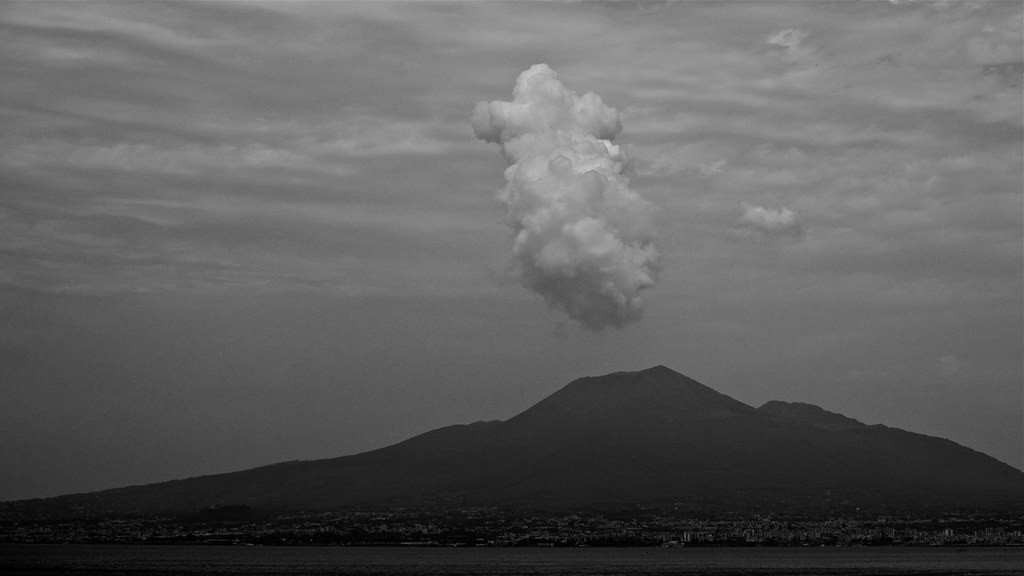
Mount Vesuvius is a classic stratovolcano formed by alternating layers of hardened lava, tephra, and volcanic ash. Its current cone, known as Gran Cono, sits within a larger caldera created by the collapse of an earlier, taller volcano. The volcano is infamous for its catastrophic AD 79 eruption, which buried the Roman cities of Pompeii and Herculaneum under pyroclastic flows and ash. This Plinian eruption sent volcanic material over 33 kilometers into the atmosphere. Today, Vesuvius features fumaroles, sulfur deposits, and rugged lava fields that provide a vivid insight into ongoing volcanic processes.
Terrain and Hiking Experience on Mount Vesuvius
The hike to the summit follows well-marked trails winding through loose volcanic ash, rocky lava fields, and patches of pine forest at lower elevations. The ascent includes moderate slopes with some steeper sections near the crater rim. The volcanic soil is loose and can be slippery, so sturdy footwear is essential. Winds often intensify near the summit, and temperatures can drop rapidly. The trail offers a diverse hiking experience, moving from shaded Mediterranean groves to barren volcanic rock landscapes as you approach the top.
What Makes the Mount Vesuvius Trek Unique
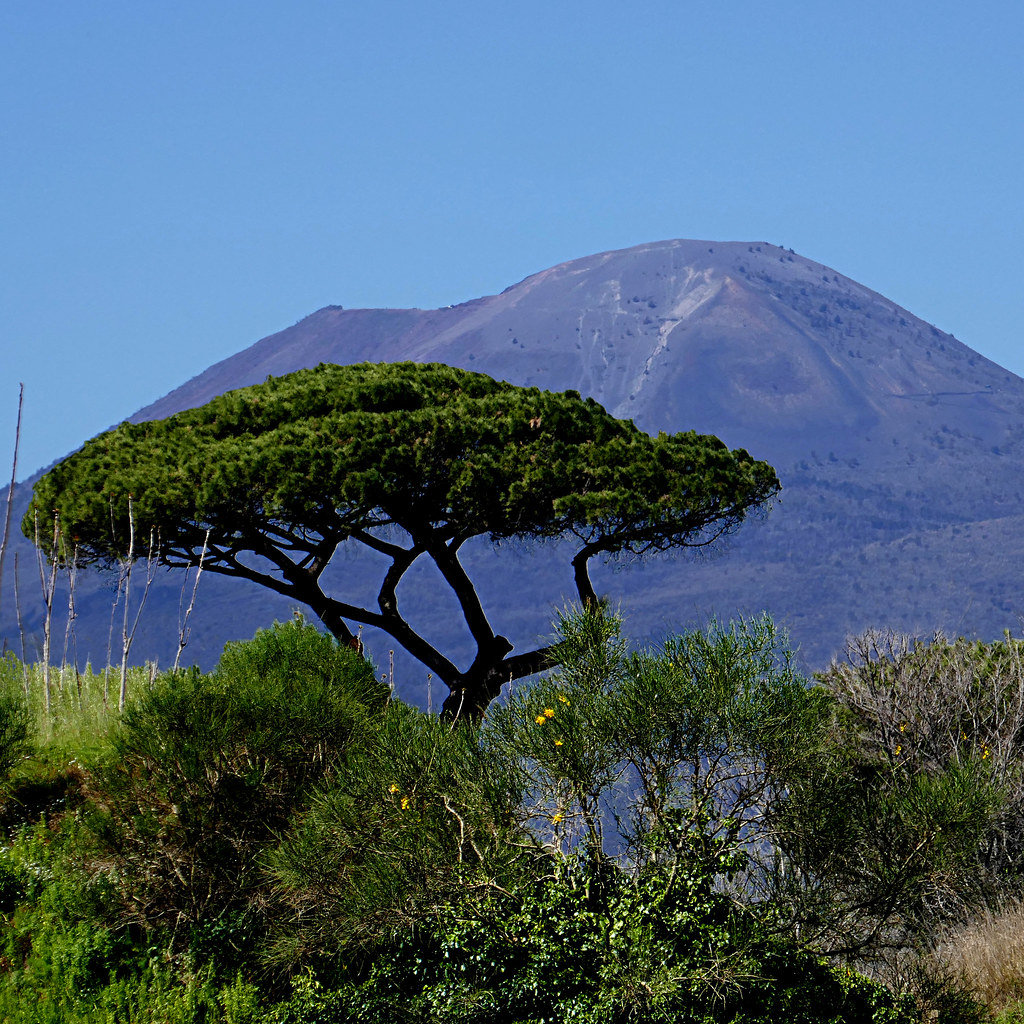
Mount Vesuvius is unique for its combination of geological significance, cultural history, and accessibility. It is Europe’s only active volcano with a recent eruption history, located just outside the bustling city of Naples. The sunset hike provides spectacular views over the Bay of Naples, the Sorrentine Peninsula, and the ancient Roman ruins of Pompeii. The stark contrast between the volcanic desert at the summit and the vibrant Mediterranean coast below creates a dramatic and rare landscape that few other volcanoes can match.
The Summit and Crater Experience
At the summit, hikers reach the crater rim, which spans nearly 500 meters in diameter. The air carries faint sulfurous scents from fumaroles, and the ground emits residual warmth from volcanic activity. The jagged edges of the crater frame sweeping views of Naples and the surrounding countryside, often shrouded in evening mist. As the sun sets, the volcanic landscape is bathed in warm light, while the distant sea reflects the fading rays. This sensory combination of heat, smell, and sight offers a powerful encounter with the volcano’s living presence.

Best Time to Trek Mount Vesuvius
The best time to hike Mount Vesuvius is from spring through autumn, typically April to October, when weather conditions are mild and stable. Late afternoon hikes timed to reach the summit at sunset are especially popular for their stunning views. Avoid trekking during winter months due to cold temperatures and occasional snow, as well as during rainy or foggy weather which can reduce visibility and make trails slippery. The volcano is continuously monitored, and access may be restricted during periods of increased volcanic activity or strong winds.
Routes and Trail Options on Mount Vesuvius
The main trail begins at the Vesuvius National Park entrance near the parking area at about 1,000 meters elevation. The Gran Cono trail ascends approximately 400 meters over 1.5 kilometers to the crater rim, typically taking 1 to 1.5 hours each way. Alternative routes include shorter paths from the nearby visitor center or longer combined hikes that incorporate visits to Pompeii or Herculaneum. Guided hikes are widely available and recommended for safety, interpretation, and a richer experience.
Difficulty Assessment of the Vesuvius Trek
Mount Vesuvius is considered an easy to moderate trek suitable for most fitness levels. The trail is well-maintained with moderate elevation gain and no technical climbing required. Loose volcanic ash can challenge balance, so hikers should wear appropriate footwear. Altitude effects are minimal due to the summit’s relatively low elevation of 1,281 meters. The hike is accessible to families and casual hikers but requires adequate hydration and preparation for changing weather conditions.
Essential Volcano Trekking Gear for Mount Vesuvius
Hikers should wear sturdy hiking boots with good grip to navigate loose ash and rocky terrain safely. Trekking poles are helpful for stability on slopes. Sun protection is essential, including a wide-brimmed hat, sunglasses, and sunscreen, as shade is limited. Carry at least 1.5 liters of water per person to stay hydrated. A lightweight windproof jacket is advisable for summit winds. For sunset hikes, bring a headlamp or flashlight for the return descent after dark.
Safety and Volcanic Hazards on Mount Vesuvius
Although currently dormant, Mount Vesuvius remains an active volcano with potential hazards. Hikers must stay on marked trails to avoid unstable crater edges and loose scree. Volcanic gases near fumaroles can pose respiratory risks; individuals with breathing difficulties should take precautions. Sudden weather changes and strong winds are common near the summit. The volcano is closely monitored by Italian authorities, and visitors must comply with official warnings and park regulations to ensure safety.
Permits, Guides, and Logistics for Mount Vesuvius
Access to Vesuvius National Park requires an entry ticket, which can be purchased online or at the park entrance. Guided tours are highly recommended for enhanced safety, geological insight, and a richer experience. Shuttle buses operate from nearby towns, but parking near the park entrance is limited. The park enforces a maximum number of hikers per hour to protect the environment and visitor safety. Seasonal closures may occur during volcanic unrest or adverse weather conditions.
Where to Stay Near Mount Vesuvius
Accommodation options include hotels and guesthouses in Naples, Pompeii, and nearby towns such as Ercolano and Torre del Greco. Several eco-lodges and agriturismi offer countryside stays closer to the volcano. Staying in Pompeii provides convenient access to both the archaeological site and Vesuvius trails. For early starts or sunset hikes, lodging near the park entrance or in nearby towns facilitates timely arrival and departure.